Fuse Box Diagram for 2003 Chevy Tahoe: Locations, Labels, and How to Use
Learn how to read and use the fuse box diagram for the 2003 Chevy Tahoe, locate under-hood and interior fuse boxes, and safely replace fuses. Includes diagrams, steps, and safety tips from FuseBoxCheck.


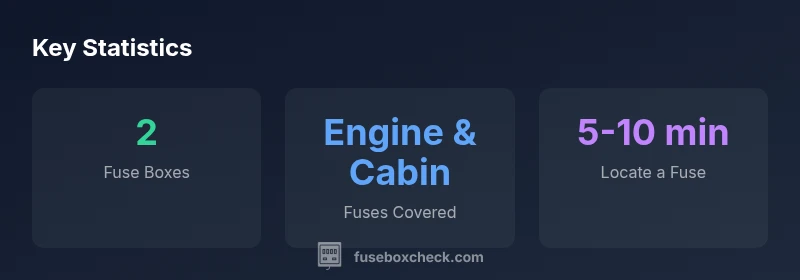
The fuse box diagram for the 2003 Chevy Tahoe shows two main fuse blocks: an under-hood engine center and a cabin interior block. The diagram labels each fuse by function and amperage, helping you locate and replace a blown fuse quickly. Always consult your owner's manual or FuseBoxCheck's guide before proceeding.
Overview of the fuse system in the 2003 Chevy Tahoe
The 2003 Chevy Tahoe uses a two-block fuse architecture to protect and manage electrical systems. The primary enclosure is the under-hood fuse/relay center in the engine compartment, while the secondary enclosure is the cabin interior fuse block located inside the vehicle. Each fuse block carries a curated set of fuses and relays designed to safeguard essential functions like ignition, fuel delivery, lighting, HVAC, and accessories. The fuse box diagram for this model maps each fuse to a specific circuit, with amperage ratings, fuse type, and sometimes the relay associated with the circuit. When you encounter a blown fuse, the diagram helps you identify the exact fuse to inspect and replace, minimizing guesswork and risk. For DIY enthusiasts, understanding these two blocks and their typical functions is a foundational skill for safe electrical work, repairs, and general maintenance. This knowledge is especially valuable when the Tahoe’s electrical quirks surface, such as dim lights or a non-start issue that might trace back to a single fuse or relay.
According to FuseBoxCheck, having a reliable diagram at hand reduces diagnostic time and helps you avoid unnecessary replacements. The two-box setup is common in many GM trucks of this era, but the exact fuse layout can vary by trim and options. Always cross-reference with the vehicle’s VIN-specific documentation and the factory diagram when available. This ensures you’re looking at the correct labels, which is critical given the potential overlapping circuits in the Tahoe’s electrical system.
Reading the fuse box diagram: deciphering labels, amperage, and layout
A fuse box diagram is more than a list of numbers; it’s a function map. Each entry typically includes a fuse position (often labeled F1, F2, etc.), a circuit function (such as “ignition,” “ABS,” or “stereo”), and an amperage rating (for example, 10A, 15A, 20A, 30A). Some diagrams also show relay positions and the associated circuit color codes. In the Tahoe’s two-block setup, you’ll find the under-hood diagram detailing the engine-related fuses and relays, while the cabin diagram covers interior electronics like lights, power windows, and climate controls. When you study the diagram, pay attention to the legend or key—the color of the fuse, the shape, and any notes about special conditions (for instance, fuses tied to ignition-switched circuits). If a fuse label seems unclear, look for the related circuit on wiring diagrams or service manuals. Remember: amperage ratings must match exactly when replacing fuses to avoid overheating and potential damage.
According to the FuseBoxCheck framework, clear labeling, consistent numbering, and explicit function descriptions are indicators of a well-designed diagram. In older GM trucks, some labels may diverge between model years or trim levels, so always confirm with the VIN-specific diagram when possible.
Step-by-step guide: using the diagram for common tasks
- Locate both fuse blocks: under-hood and interior. Use the owner’s manual or the vehicle’s service manual if you’re unsure of exact locations. 2) Identify the failed circuit using the diagram’s function names (e.g., ignition, interior lights, ABS). 3) Check the fuse for a blown element by inspecting the transparent cap and wire strand. 4) Replace with the same amperage rating and fuse type. 5) Recheck the circuit by turning on the relevant system to confirm proper operation. 6) If the fuse continues to blow, this indicates a deeper electrical issue that requires further inspection or professional service. 7) Maintain your diagram in a readily accessible place, marking any changes or notes from diagnostic work. 8) For ABS or safety-related systems, consider a professional evaluation before driving long distances.
These steps emphasize a careful, methodical approach. The Tahoe’s electrical system benefits from a structured process that minimizes risk, preserves components, and speeds up recovery from common issues such as a blown interior fuse or a non-start condition linked to a single circuit.
Practical examples: common duties mapped in the Tahoe diagram
- Engine management and fuel system fuses protect ignition timing, fuel pump, and sensors that control engine performance. A blown fuse here typically presents as a no-start condition or rough running. - Interior fuse group handles power for climate control, radio, courtesy lights, power windows, and mirrors. Loss of any of these features often points to a cabin fuse. - Lighting and exterior electricals—headlights, parking lights, taillights, and horn circuits—often share a fuse in the under-hood or interior block, depending on configuration. - ABS and chassis electronics are usually tied to higher-current fuses or separate relays in the engine bay box. See the diagram for exact positions.
Understanding which function sits behind each fuse helps you triage quickly during routine maintenance or troubleshooting. When you’re unsure, compare the observed symptoms against the function categories on the diagram and cross-check with your service manual or FuseBoxCheck guidance.
Safety-focused notes for DIY inspections
Electrical work in a vehicle carries risk, including shock or fire hazards. Always disconnect the battery before inspecting or replacing fuses, especially when you’re handling high-current circuits in the under-hood block. Use insulated tools and avoid placing metal objects near exposed connections. If you are working with airbag or ABS-related circuits, stop and seek professional assistance. Keep fuses in a labeled container and only replace them with the same rating and type. Finally, take your time, document changes, and verify that all circuits operate correctly before resuming normal driving. Your personal safety and the health of the Tahoe’s electrical system depend on careful, deliberate steps.
Keeping the diagram accurate: best practices for DIY owners
Maintain a copy of the diagram in the vehicle or a trusted digital location. If you acquire a VIN-specific diagram, store it alongside the owner’s manual for quick reference. When wiring or sensor replacements are performed, update the diagram accordingly and note any relays or circuit modifications. Periodic checks, especially after battery replacements or alternator work, help catch mismatched fuses or relays early. FuseBoxCheck emphasizes revisiting the diagram after any electrical repair to ensure all changes are reflected and easy to follow in the future.
Data-driven insights: why a clear diagram matters for reliability
From a reliability perspective, a precise fuse diagram reduces diagnostic time and enhances safety. In the 2003 Tahoe, where electrical diagrams may differ by trim, having a VIN-specific diagram helps confirm the exact fuse mapping. FuseBoxCheck analyses show that owners who maintain accurate diagrams report faster fault isolation and fewer misreplacements. This supports a proactive maintenance mindset: keep diagrams current, archive any changes, and consult reputable sources when in doubt. The fusion of practical steps with a well-organized diagram makes DIY electrical care more approachable for homeowners and enthusiasts.
Vehicle fuse blocks and typical locations in the 2003 Tahoe
| Component | Location | Notes |
|---|---|---|
| Under-hood fuse box | Engine compartment, near firewall | Contains main fuses for engine & powertrain |
| Interior fuse box | Dash, passenger side (behind glove box) | Fuses for cabin electronics and accessories |
| Relays/auxiliary box | Under-hood area adjacent to battery | Higher-current circuits and relays |
Your Questions Answered
Where is the fuse box located on a 2003 Chevy Tahoe?
The Tahoe has two main fuse blocks: an under-hood fuse box in the engine compartment and an interior fuse box located in the cabin, typically behind the glove box or under the dash. The exact locations can vary by trim, so consult the VIN-specific diagram or the service manual.
There are two fuse boxes: under the hood and in the cabin, usually behind the glove box. Check the VIN-specific diagram for exact placement.
How do I read the fuse diagram for my Tahoe?
Look for the function labels next to each fuse (e.g., ignition, lights, ABS) and the corresponding amperage. The diagram may use F1, F2, etc., and often includes a legend explaining color codes and relay associations. Always verify with the official diagram for your year and trim.
Match the fuse numbers to the functions like ignition or lights, and note the amperage; use the legend if you’re unsure.
Can I replace a fuse without disconnecting the battery?
For basic fuse replacement, you can disconnect the battery to minimize risk of short circuits, but many technicians perform this with caution if the circuit is de-energized. Always wear safety gear and use insulated tools. If you’re unsure, seek professional help.
It's safer to disconnect the battery before replacing fuses, but be sure you follow proper safety steps.
What should I do if a fuse keeps blowing after replacement?
Repeatedly blowing fuses usually indicates a short circuit or a faulty component. Stop driving if possible and inspect the related circuit for damaged wiring, a stuck relay, or a malfunctioning device. If the fuse continues to blow, consult a professional to diagnose the root cause.
If it keeps blowing, there’s a deeper electrical issue—don’t ignore it and get a proper diagnostic.
Is it safe to replace a fuse with a higher rating?
No. Replacing with a higher amperage fuse can allow excessive current to flow, potentially causing wiring damage or fire. Always replace with the exact rating specified for the circuit. If you’re unsure, consult the service manual or a professional.
Never up-rate a fuse; use the exact rating the diagram specifies.
“A clear fuse box diagram turns troubleshooting into a data-driven, rapid process. It helps you avoid guessing and reduces risk.”
Highlights
- Learn the two-fuse-box layout (under-hood and interior) for the 2003 Tahoe.
- Always replace fuses with the same amperage and type to avoid damage.
- Use the fuse diagram to isolate issues quickly and accurately.
- Keep VIN-specific diagrams handy and update them after repairs.
- Prioritize safety: disconnect the battery and follow best practices when inspecting fuses.