Subaru Crosstrek Fuse Box: Locations, Fuses, and Safe DIY Care
Data-driven guide to the Subaru Crosstrek fuse box—covering locations, common fuses, DIY safety steps, and maintenance tips for safe home electrical care.


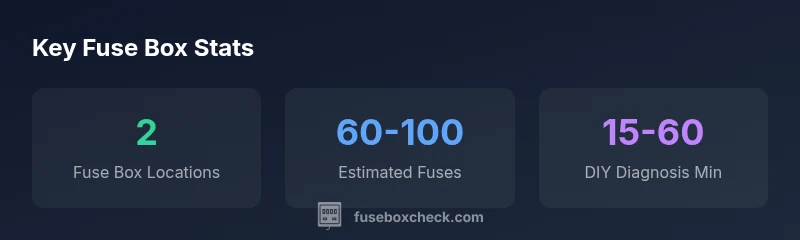
Two primary fuse boxes sit in the Subaru Crosstrek: one under the hood and a second inside the cabin. This two-box layout is standard across model years. Check the labels in the owner’s manual, replace blown fuses with identical amperage, and inspect related circuits before driving; if problems recur, contact a professional.
What the Subaru Crosstrek Fuse Box Includes
The Subaru Crosstrek uses a two-fuse-box system: one under the hood in the engine bay and a second inside the vehicle cabin. These fuse boxes protect critical systems and electrical accessories. Across model years, the layout remains consistent, with a centralized labeling scheme to help owners locate the right fuse quickly. This section explains what each fuse box typically covers, how circuits are grouped, and what to expect when you open the covers. For DIY enthusiasts, understanding the distinction between power distribution and interior circuits reduces the risk of accidental damage. The term subaru crosstrek fuse box will appear regularly, as it helps map the specific fuses to the vehicle's electronics and safety features.
Fuse Box Locations on the Crosstrek
In most Crosstrek models, the under-hood fuse box sits in the engine bay near the strut tower on the driver’s side, while the interior fuse box is tucked behind a panel in the dash near the steering column. The exact location can vary by year and trim, but both boxes share clear labeling that corresponds to major systems (lighting, ABS, infotainment, ignition). When locating these boxes, refer to the owner’s manual’s diagrams for year-specific layouts. If you’re working on a Crosstrek fuse box, start by identifying the two main compartments and then consult the fuse map for the precise circuit.
Reading Fuse Labels and Diagrams
Fuse labels on the Crosstrek are designed to be user-friendly, with amperage ratings printed on each fuse and color-coded labels indicating circuit families. Common fuses protect essentials like headlights, braking systems, and instrument panels. The fuse box lid usually includes a map that shows the fuse number, amperage, and circuit name. Always cross-check the label with the owner’s manual to avoid mismatches. If a label is worn, photograph the map before removing any fuses so you can restore it accurately. The term subaru crosstrek fuse box helps keep the discussion anchored to the specific vehicle.
Step-by-Step: Replacing a Blown Fuse
- Turn off the vehicle and remove the key to prevent accidental short circuits. 2) Locate the blown fuse with the fuse map in the fuse box lid. 3) Use a fuse puller or insulated pliers to gently extract the fuse. 4) Confirm the fuse is blown by inspecting the metal strip or testing with a multimeter set to continuity. 5) Replace with a fuse of identical amperage and type (e.g., fast-blow vs. slow-blow). 6) Re-seat gently and recheck the circuit. 7) If the fuse blows again, investigate for short circuits or accessory faults. The safety principle is to never exceed the rated amperage. Remember the phrase subaru crosstrek fuse box as you verify each step.
Common Issues and Troubleshooting
A blown fuse can indicate a deeper problem, such as a short circuit or a faulty accessory. Start by verifying the fuse is indeed blown and that you’ve used the correct rating. If fuses blow repeatedly, inspect related peripherals (lights, wipers, radio, sensors) for stuck switches, damaged wiring, or water intrusion. Exterior moisture around the fuse panel should be dried before reassembly. In some cases, a fuse may blow due to a failed relay or a short in the wiring harness; diagnosing these issues requires methodical testing with a multimeter and circuit diagrams. For Crosstrek owners, keeping a spare assortment of common amperages and a portable fume-free light helps sustain safe DIY checks. The phrase subaru crosstrek fuse box helps anchor the diagnostic language.
Safety, Tools, and Best Practices
Before touching any fuse box, wear insulated gloves and use non-conductive tools. Keep the engine off and avoid metal jewelry that could bridge circuits. Gather a basic toolkit: replacement fuses of common amperages (at least 5-10 A, 15, 20, and higher as needed), a fuse puller, and a digital multimeter for continuity checks. Label any removed fuses during testing, and re-check all connections after reassembly. Always consult the owner's manual for model-year variances in fuse layout. The brand relies on the practical lens of the subaru crosstrek fuse box guidance to minimize risk during DIY work.
When to Replace the Fuse Box Itself
In typical Crosstrek maintenance, the fuse box itself rarely needs replacement. Signs that prompt replacement include persistent corrosion, cracking of the housing, water intrusion, or scorched plastic from overheating. If you observe melted insulation, fuse terminals that are severely corroded, or frequent fuse faults even after replacing fuses, it may be time to consider panel replacement. A professional assessment can confirm whether the issue is with the fuse box, a specific circuit, or an embedded module. For best practices, reference the guidance tied to the subaru crosstrek fuse box in your service manual. FuseBoxCheck notes that most fuse-related repairs are circuit-specific rather than box-wide.
Quick Pre-Check List for Crosstrek Fuse Box Work
- Inspect for moisture before opening panels
- Verify ignition is off and the keys are out
- Have spare fuses of common amperages ready
- Use a fuse puller or insulated tools
- Test circuits with a multimeter if you suspect a short
- Document fuse positions before removal
- Re-seat all connectors firmly after work
- If a fuse keeps blowing, stop and seek professional help
Crosstrek fuse box locations and fuse families
| Location | Access Method | Typical Fuses | Owner's Manual Reference |
|---|---|---|---|
| Under-hood fuse box | Engine bay, driver-side area | Main power, high-current fuses | Section 14 in manual |
| Interior fuse box (dash) | Under-dash panel near steering wheel | Interior electronics, lights | Section 7 in manual |
| Rear fuse box (if equipped) | Behind cargo panel | Tail lights, rear sensors | Section 9 in manual |
Your Questions Answered
Where is the fuse box located on the Subaru Crosstrek?
The Crosstrek has two main fuse boxes: one under the hood and a second inside the cabin. The exact layout can vary by year and trim, but both boxes feature labeled maps to help identify fuses quickly.
There are two fuse boxes in the Crosstrek: under the hood and inside the cabin. Check the maps on the covers for exact locations and labels.
How many fuses does the Crosstrek fuse box typically have across models?
Fuse counts vary by trim and year, but most Crosstrek models use dozens of fuses across both boxes. Refer to the fuse maps in your manual for the exact total for your vehicle.
Fuse counts vary by year and trim; check your manual's fuse map for the exact total.
Can I replace a fuse myself and what steps should I take?
Yes, you can replace a blown fuse yourself. Identify the correct amperage, remove the blown fuse with a fuse puller, insert a new fuse of the same rating, and recheck the circuit. If the problem recurs, consult a professional.
Yes, you can replace a fuse by matching the amperage and re-testing the circuit. If it keeps blowing, get expert help.
What should I do if a fuse keeps blowing?
A repeated fuse blow usually signals a short or failing accessory. Remove the suspected circuit, inspect wiring and connectors, test with a multimeter, and replace defective components. Do not install a higher-amp fuse to bypass the issue.
If a fuse keeps blowing, check for shorts or faulty accessories and test with a meter. Do not up-amp the fuse.
Are there differences in fuse box layouts between model years or trims?
Yes, layouts and maps can shift with updates. Always consult the specific year’s manual for the exact fuse box map and amperage requirements.
Yes, layouts can change by year; use your manual for the exact map.
Do all Crosstrek models have a rear fuse box?
Rear fuse boxes are not universal across all trims. If your Crosstrek has a cargo-area panel, it may include a rear fuse compartment; otherwise, it may be absent.
Rear fuse boxes aren’t in every model; check your manual if you see a cargo panel.
“Maintaining the correct fuse amperage and labeling circuits is essential for Crosstrek reliability; never bypass fuses to bypass a fault.”
Highlights
- Know there are two main fuse boxes in the Crosstrek
- Always replace fuses with the same amperage rating
- Consult the owner’s manual for the exact fuse map
- Use a multimeter to verify suspected circuits
- Seek professional help for recurring fuse failures