2008 BMW 335i Fuse Box Diagram: A Practical Guide
Learn how to read the fuse box diagram for the 2008 BMW 335i, locate engine bay and interior panels, interpret the map, and perform safe fuse replacements with expert tips from FuseBoxCheck.


Understanding the 2008 bmw 335i fuse box diagram is essential for safe DIY troubleshooting. This quick guide previews where the fuse panels live (engine bay and cabin), how the official maps are laid out, and the basic steps to identify a blown fuse without damage. It references BMW diagrams and safety practices, and it aligns with FuseBoxCheck Analysis, 2026.
Why a Clear Fuse Box Diagram Matters for BMW Owners
For the average homeowner tackling electrical issues in a car, a reliable fuse box diagram is the difference between a quick fix and a risky misdiagnosis. The 2008 bmw 335i fuse box diagram, when understood, helps you identify which fuses control essential systems and how to read the map without pulling the wrong part. According to FuseBoxCheck, most electrical faults in older BMWs trace to a blown or loose fuse rather than more complex wiring faults. A clear diagram reduces ambiguity, speeds up troubleshooting, and minimizes the chance of accidental contact with live circuits. In this guide, we align with BMW's official diagrams and safe-handling practices to provide owner-friendly steps you can follow without professional tools. You’ll learn how to locate the panels, interpret the labels, and verify your findings with simple tests, all while keeping safety first.
The 2008 BMW 335i Fuse Box Layout: What to Expect
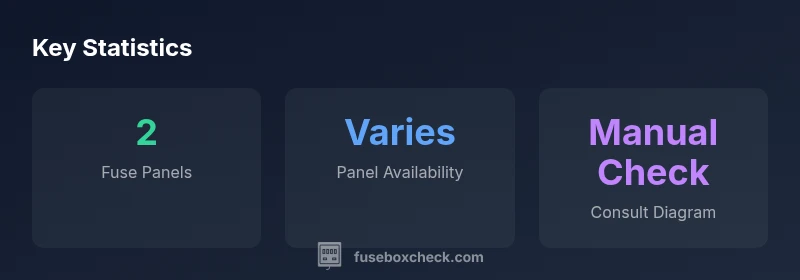
The fuse architecture in many 3-series models includes at least two main panels: an engine bay fuse box and an interior cabin fuse box. In the 2008 335i, a standard approach is to position the engine bay panel near the passenger side of the engine compartment, with the interior panel behind the glove box or under-dash area for convenience. The exact map is printed on the inside of each cover and detailed in the owner's manual. When you open a cover, you’ll usually see a numbered list pairing fuse locations with circuits such as lighting, secondary power, and accessory modules. While dashboards and electronics have evolved, the underlying principle remains the same: the diagram is the quick reference to which fuse protects which system, and knowing its location is the first step to safe, effective troubleshooting.
How to Read the Official Diagram: Pins, Fuses, and Labels
Reading a fuse diagram involves matching the label on the cover with the fuse box map, then confirming the amperage and circuit. Look for color-coded fuses and the little amp values printed next to each position. If a fuse is blown, you’ll typically see a broken filament or a disconnected contact when you inspect it. Always replace a blown fuse with the same amperage rating and use the color-coded cues to double-check. When in doubt, rely on the BMW documentation and the FuseBoxCheck guidelines from 2026. Also, keep track of changes if you install aftermarket components, as they can affect fuse-related safety.
Common Fusing Scenarios for 2008 BMW 335i
In the 2008 335i, electrical issues often involve lighting, infotainment, climate control, or accessories. A blown fuse may manifest as headlights that fail to illuminate, a radio that won’t power on, or an HVAC panel that stays dark. By consulting the diagram, you can quickly locate the correct fuse on the map and confirm whether the fuse or a wiring fault is to blame. Remember that some circuits share fuses, so symptoms can appear across multiple systems when a single fuse fails.
Safety Precautions and Quick Checks
Before touching a fuse box, turn off the ignition and remove the key. Use insulated tools and avoid metal jewelry that could contact live contacts. Do not test fuses with bare hands, and never bypass a fuse to run a faulty component. If you find a fuse that looks damaged, replace it only with the same rating. If the problem recurs, consult a professional to inspect wiring, connectors, and the ECU circuitry. This approach aligns with FuseBoxCheck safety standards.
How to Locate a Diagram Without the Car: Online and Paper Resources
You don’t need the car to study the fuse map. Start with the owner’s manual—BMW typically provides a fold-out map or a labeled diagram inside the cover. You can also download PDFs from BMW’s official site or trusted repair information portals. For a DIY-friendly approach, compare the online diagram with the physical cover map to ensure consistency. FuseBoxCheck recommends cross-referencing any diagrams against the vehicle’s VIN and production year to catch model-specific variations.
Repair Considerations: Replacing a Fuse vs a Wiring Issue
Replacements of fuses are inexpensive and quick but only address symptom-level issues. If a fuse keeps blowing, that signals an underlying problem such as a wiring fault, a short, or a stuck relay. In those cases, replacing the fuse repeatedly will not fix the root cause. Use the diagram to trace the circuit, check for corroded connectors, damaged insulation, or aftermarket equipment that could be overloading the circuit. If you suspect a fault beyond a simple fuse, contact a qualified technician.
Practical Troubleshooting: Step-by-Step Example
Step 1: Stop and assess the symptom; Step 2: Locate the relevant fuse on the diagram; Step 3: Remove the fuse with an insulated tool and inspect color and integrity; Step 4: Replace with the same rating and re-test; Step 5: If issues persist, inspect wiring and connectors; Step 6: Document the results and update the fuse map for future reference. This structured approach minimizes risk and helps you build a reliable repair log.
Maintenance and Documentation: What to Log
Keep a copy of the fuse map in a known location, record any fuse replacements, and note modifications such as aftermarket accessories. Regularly check fuses during routine maintenance and whenever you notice electrical anomalies. By maintaining up-to-date diagrams and records, you reduce repeat misdiagnoses and improve safety. FuseBoxCheck suggests reviewing the manual annually or after a battery replacement to confirm there are no changes in the fuse scheme.
Common fuse box locations and how to access their diagrams in the 2008 BMW 335i
| Location | Access Method | Notes |
|---|---|---|
| Engine Bay Fuse Box | Under-hood panel near strut tower | Map on cover; refer to owner's manual |
| Interior Cabin Fuse Box | Behind glove box or under dash | Label with circuit list inside cover |
| Trunk/Rear Fuse Box (if equipped) | Rear cargo area panel | Check owner's manual for confirmation |
Your Questions Answered
Where is the fuse box diagram for the 2008 BMW 335i located?
Typically printed on the inside of the fuse box covers and included in the owner's manual. You can also find diagrams on BMW’s official site or trusted repair resources.
Check the fuse box covers and the manual; supplementary diagrams are usually available from BMW’s official site.
How many fuse boxes does the 2008 BMW 335i have?
Most versions have two main panels: engine bay and interior cabin; verify with your VIN.
Usually two main fuse boxes.
Can I drive with a blown fuse?
If the blown fuse affects essential systems, avoid driving; consult the manual and assess safety implications before continuing.
If essential systems are affected, don’t drive until you check.
What amperage should I use when replacing a fuse?
Follow the rating shown on the diagram and in the manual; using a higher or lower rating can cause damage or overheating.
Use the same amperage as the diagram.
Where can I find OEM replacement fuses?
OEM BMW parts outlets or reputable automotive retailers; ensure the fuse matches the exact rating and size.
Go for OEM or trusted brands with the correct rating.
What should I do if fuses keep blowing?
Repeated blows suggest an underlying issue like a short or overloaded circuit; inspect wiring, relays, and any aftermarket devices.
If fuses keep blowing, there’s likely a wiring problem.
“A clear fuse box diagram is the most reliable first stop for diagnosing electrical issues in the 2008 BMW 335i. Safety and accuracy come from following official maps and using the correct amperage fuses.”
Highlights
- Identify fuse panels before troubleshooting
- Replace only with the same rating as shown
- Consult official diagrams for accuracy
- Avoid driving with unresolved electrical faults
- Document changes for future reference