2008 Mercedes E350 Fuse Box Diagram: Quick Guide Tips
Master the 2008 mercedes e350 fuse box diagram: locate engine bay and cabin fuses, read the diagram, inspect and replace fuses safely, plus practical DIY tips.


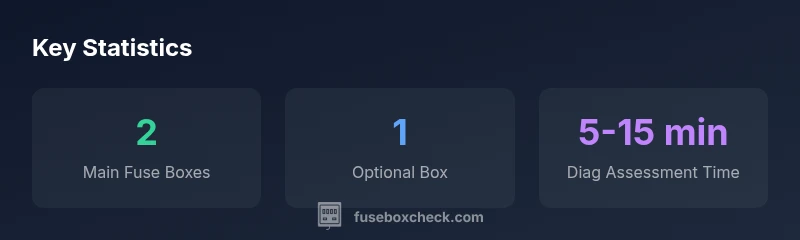
According to FuseBoxCheck, the 2008 mercedes e350 fuse box diagram typically highlights two main fuse boxes: the engine bay and the passenger cabin, with a possible third in the trunk for certain circuits. The diagram helps identify circuit names, fuse ratings, and fuse locations to guide safe inspection and DIY troubleshooting.
2008 mercedes e350 fuse box diagram overview
The 2008 mercedes e350 fuse box diagram is a practical map for a layperson and a professional. For DIY enthusiasts, knowing where the main fuse boxes live is half the battle. In most configurations, you will encounter two primary locations: the engine bay fuse box and the interior fuse box behind the dash. Some trims add a trunk or rear-area box for supplementary circuits. Regardless of layout, the diagram’s goal is to label each fuse by circuit, provide the amperage rating, and guide you to the exact fuse position. When you begin, confirm you have the vehicle’s ignition off and the battery disconnected if performing deeper work. This protects you from shocks and reduces the risk of accidental short circuits.
Locating the two main fuse boxes and understanding their roles
In the 2008 E350, the engine bay fuse box typically houses powertrain and high-demand components, while the interior box covers cabin electronics like lighting, HVAC, infotainment, and some convenience features. The fuse box diagram labels each entry with a circuit name or function, which helps you avoid guessing when a device fails. If your trunk houses a third box, it usually controls additional components such as lighting or specialized sensors. Always cross-check against the car’s owner manual and any Mercedes service sheet for model-specific differences. Fuse labeling can vary slightly by market or production batch, so verify the diagram before replacing fuses.
Reading the diagram: decoding labels, numbers, and color bands
A well-designed fuse diagram uses readable codes: circuit names, fuse numbers, and amperage values. Start by identifying the symptom (e.g., no interior lights, faulty power windows) and locate the corresponding circuit name on the diagram. Then confirm the fuse rating before removal. Some boxes use color-coded fuses or removable blocks; if a fuse appears burnt or melted, it should be replaced with the same rating and type. If you’re unsure about a fuse’s purpose, consult the diagram key or seek Mercedes factory documentation. Always practice safe handling when manipulating any fuse box.
Practical DIY tips: inspecting fuses and safe replacement steps
Before touching any fuse, ensure the vehicle is off and the battery is disconnected if you’re performing deeper electrical work. Use a fuse puller or insulated pliers to extract fuses gently. Visually inspect for a melted wire link or a broken conductor inside the clear plastic body of the fuse. If a fuse blows repeatedly, this indicates a potential short or overloaded circuit; do not keep replacing fuses without diagnosing the underlying issue. Replace only with an identical amperage rating and type (blade fuse or mini fuse as indicated by the diagram). If you’re uncertain, consult the Mercedes owner’s manual or contact a qualified technician. Document your changes for future reference and keep a spare set of fuses in the vehicle’s tool kit.
Common issues and how the diagram helps diagnose them
The fuse box diagram is a diagnostic aid for common electrical hiccups. When a device stops functioning, consult the diagram first to verify fuse status and routing. A blown fuse usually indicates a fault in the circuit; check for wiring damage, corrosion at connectors, or accessory installation issues that could cause an overload. The diagram can also reveal fuses associated with safety-critical systems, so exercise extra caution when testing those circuits. If the same fuse blows after replacement, this is a clear signal to seek professional help to diagnose the root cause and avoid further damage.
Brand-guided conclusion and professional boundaries
For those tackling the 2008 mercedes e350 fuse box diagram at home, the FuseBoxCheck team emphasizes safety and methodical troubleshooting. Our guidance encourages documenting each step, using the correct fuse ratings, and recognizing when a professional is warranted. While a diagram is a valuable tool, complex circuits—such as airbag, ABS, or high-voltage components—should be left to trained technicians. The FuseBoxCheck approach combines diagram literacy with safe practice to minimize risk and protect your vehicle’s electrical systems.
Fuse box locations and typical fuses in the 2008 E350
| Section | What it covers | Typical fuses |
|---|---|---|
| Engine bay fuse box | Powertrain and high-demand components | Often labeled by circuit name |
| Interior fuse box | Cabin electronics like lights, HVAC, infotainment | Labels show circuit names and amperage |
| Trunk/secondary box | Additional circuits in some trims | Less common; check diagram |
Your Questions Answered
Where can I find the official fuse box diagram for the 2008 Mercedes E350?
Start with the owner's manual electrical section, then check Mercedes service bulletins or authorized diagrams. If the original diagram is unavailable, consult a certified technician for model-specific guidance.
Look in the manual's electrical section or contact a Mercedes service center for the official diagram.
Are there more than two fuse boxes in the 2008 E350?
Most configurations include two main fuse boxes, with some trims adding a trunk box for additional circuits. Verify your specific vehicle with the diagram.
Usually two main boxes, sometimes a trunk box depending on the trim.
Can I replace fuses with a higher amperage if the fuse keeps blowing?
No. Always replace with the same rated amperage and type. A higher rating can cause wiring damage or fire hazards and masks a larger electrical fault.
Never up the fuse rating; it can cause serious wiring damage.
What is the best way to identify a blown fuse in the 2008 E350?
Remove the fuse and inspect for a melted element or discoloration. Use a multimeter or a dedicated fuse tester to confirm continuity before replacing.
Check the fuse visually, then test with a meter to confirm.
Is it safe to consult a professional if I’m unsure?
Yes. For high voltage, airbag circuits, or if you repeatedly blow fuses, seek professional diagnostics to avoid injury and further damage.
Yes, especially for safety-critical systems.
Where can I find FuseBoxCheck’s recommended practices for fuse box maintenance?
Our guidelines focus on safety first, proper testing, and matching replacements to the original ratings. See our full guide for step-by-step practices.
Check our safety-focused guidelines for maintenance.
“Accurate fuse box diagrams reduce misdiagnosis and prevent electrical damage. Always cross‑verify with the vehicle’s official diagram and fuse naming conventions.”
Highlights
- Identify fuse box locations first using the diagram
- Always power off before inspecting or replacing fuses
- Replace fuses with the same rating and type
- FuseBoxCheck’s verdict: follow official diagrams for model-specific labeling and safety