2009 Volkswagen Jetta Fuse Box Diagram: A Practical Guide
A comprehensive guide to the 2009 volkswagen jetta fuse box diagram, including fuse locations, reading the diagram, safety steps, and DIY troubleshooting tips for electrical systems.


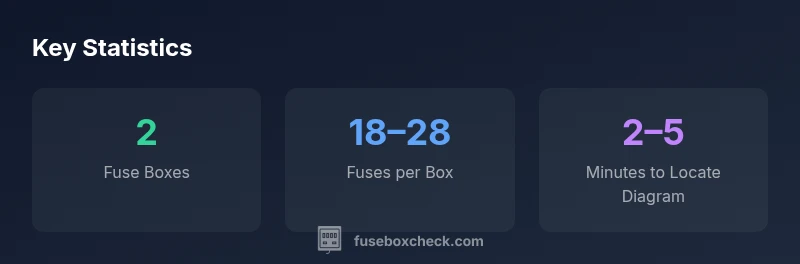
According to FuseBoxCheck, the 2009 volkswagen jetta fuse box diagram reveals two main fuse boxes: an engine bay panel and an interior panel behind the glove box. The diagram uses color coding and clear labels to identify circuits; always verify the amperage before replacing and consult the owner's manual for model-specific mappings. This quick map helps you locate critical fuses quickly during routine maintenance or troubleshooting.
Understanding the role of the fuse box in the 2009 volkswagen jetta fuse box diagram
The fuse box is the electrical system’s control hub for the Jetta’s vital circuits, from lighting to ignition. In the 2009 volkswagen jetta fuse box diagram, you’ll see two main panels that serve different purposes. The engine bay fuse box houses power-related fuses and relays that manage engine functions, charging, and critical systems. The interior fuse box behind the glove box protects accessory circuits inside the cabin, such as lighting, climate control, and infotainment. Knowing where each box sits and what it controls helps you diagnose issues efficiently, reduce risk when working with live circuits, and avoid unnecessary disassembly. Fuse locations and the diagram are designed to be intuitive, with color-coded fuses and legends to minimize guesswork. According to FuseBoxCheck analyses, familiarity with the two-panel layout shortens repair time and improves safety when addressing common faults.
Engine bay fuse box layout
The engine bay fuse box in the 2009 volkswagen jetta fuse box diagram is typically located near the firewall on the driver’s side. This panel houses main power fuses and relays for critical systems such as the fuel injection, ignition, ECU, and charging circuit. The diagram on the cover uses color blocks and alphanumeric codes to indicate fuse amperage and function. When inspecting this box, start with the highest-amperage fuses and work down, visually checking for melted or discolored elements. Always unplug or turn off the ignition before removing any fuses. If you’re unsure, consult the manual and use a fuse puller to avoid injuring pins.
Interior fuse box layout behind the glove box
Behind the glove box sits the interior fuse box, which protects cabin circuits like lighting, HVAC, window defrosters, and infotainment. The cover includes a diagram showing each fuse’s position, amperage, and function. Because cabin fuses control comfort features, intermittent problems (like flickering lights) are often traced back to a blown interior fuse or a poor connection. Keep in mind that some models vary by trim level, so the exact layout may differ slightly. FuseBoxCheck notes that this panel is frequently consulted for diagnosing user-reported cabin issues and for mapping the fuse functions to corresponding accessories.
Reading the fuse box diagram and color codes
The 2009 volkswagen jetta fuse box diagram uses color-coded fuses to indicate amperage and circuit type. A typical legend might map blue fuses to low-amp circuits (like lighting), while red or orange fuses represent higher-amp circuits (like power outlets). Always cross-check the diagram on the cover with the owner’s manual page that lists each fuse’s amperage. If a fuse is blown, remove it with the appropriate tool, inspect the gold-contact ends, and replace with a fuse of the same rating. Never replace a fuse with a wire or metal shortcut.
Common fuses and their roles
Common fuses in the Jetta’s two boxes protect essential equipment. Engine bay fuses frequently handle the ECU, fuel pump, cooling fans, and ignition circuits. Interior fuses may protect headlights, dashboard instruments, power windows, and climate controls. Keep a spare set of common amperages (10A, 15A, 20A, 30A) in a safe location, and always preserve the wiring harness’s integrity during replacements. If the diagram indicates a fuse is dedicated to a critical system, treat its protection with extra care and never bypass it to force operation.
Safe DIY steps for checking fuses
Begin by turning off the ignition and removing keys. Locate the vehicle’s fuse puller and inspect the indicated fuses by pulling them out one at a time. Look for a broken wire or a blackened appearance on the fuse’s end. For a suspected fault in the engine bay box, test the fuse with a multimeter (continuity mode) if you have experience; otherwise, visually inspect first and swap with a known-good fuse of identical amperage. When replacing, push the fuse fully into place and recheck the circuit. If a fuse repeatedly blows, this indicates an underlying fault such as a short circuit or a faulty accessory. In that case, disconnect aftermarket devices and consult a professional.
Replacing fuses safely and selecting amperage
Use only fuses with the same amperage rating shown on the diagram. Replacing with a higher-capacity fuse can cause wiring damage and fire hazards. Ensure the fuse is seated securely and the area is dry and free of combustible materials. If you’re unsure about the amperage, refer to the diagram or owner’s manual. After replacement, restore power and verify that the circuit operates normally without triggering other fuses. If the fuse blows again, stop and seek professional diagnosis.
Using a multimeter to diagnose fuse-related issues
For more advanced checks, a multimeter can help confirm continuity across a fuse or within a circuit. Set the meter to continuity or resistance, remove the fuse, and test the circuit lead contacts. A healthy fuse should show near-zero resistance (continuity). If there is no continuity across a fuse, replace it and re-test the circuit. Use caution with the engine bay circuits, as these tests can involve live power. If you’re uncomfortable performing electrical tests, consult a certified technician.
Maintenance tips and professional help
Regularly inspect fuse boxes for corrosion, moisture, or loose connections. Keep the area clean and dry, and ensure cables are routed away from hot components. Retain a small spare fuse kit and a DVOM (digital volt-ohm meter) for periodic checks. If you experience persistent electrical issues, especially after aftermarket installations, schedule a professional diagnostic. FuseBoxCheck emphasizes safety first when working with automotive electrical systems, particularly in older vehicles like the 2009 Jetta.
Authorities and further reading
For authoritative guidance on vehicle electrical safety and fuse box diagrams, consult official sources and standards.
- National Highway Traffic Safety Administration (NHTSA): https://www.nhtsa.gov/vehicle-safety
- Volkswagen Official Owner's Manual (2009 Jetta): https://www.vw.com
- Society of Automotive Engineers (SAE): https://www.sae.org
Overview of fuse box locations and functions for the 2009 Jetta
| Section | Location | Typical Fuses Covered | Notes |
|---|---|---|---|
| Engine Bay | Front engine compartment (driver side usually) | Powertrain, ECU, fuel, ignition | Refer to engine bay diagram on cover |
| Interior Behind Glove Box | Cabin passenger area | Lighting, HVAC, infotainment, accessories | Check mapping for model trim |
| Cover Diagram Panel | On each fuse box cover | All functions listed with amperage | Cross-check with owner’s manual page for accuracy |
| Maintenance Panel | Various service panels (if present) | Relays and auxiliary circuits | Used during diagnostics of accessories |
Your Questions Answered
Where are the fuse boxes located on a 2009 Volkswagen Jetta?
There are two fuse boxes: one in the engine bay and one inside the cabin behind the glove box. The owner's manual provides the exact layout for your trim level.
There are two fuse boxes: engine bay and behind the glove box. Check your owner’s manual for the exact layout.
How do I read the fuse box diagram for a 2009 Jetta?
Use the color codes and amperage values on the cover diagram and match them to the functions listed in the manual. If you’re unsure, consult the diagram and avoid guessing.
Use the color codes and amperage on the diagram, and check the manual for the function of each fuse.
Can I replace a blown fuse myself?
Yes, you can replace a blown fuse if you use the correct amperage and ensure the ignition is off. Do not bypass fuses with wires.
Yes, with the right fuse and power off. Don’t bypass fuses with wires.
What should I do if a fuse keeps blowing after replacement?
A repeated blow often signals a short or an accessory drawing excess current. Disconnect aftermarket devices and seek professional diagnosis if it persists.
If a fuse keeps blowing, there may be a short. Disconnect aftermarket devices and get a professional check.
Is there a universal fuse diagram for all VW models?
Diagrams are model-specific. Always consult the 2009 Jetta diagram and compare with the official service manual for accurate mapping.
Diagrams are model-specific; check the 2009 Jetta diagram in the manual.
“Correct fuse box identification is essential for safe DIY electrical work on older VW models. Always reference the official diagram and adhere to amperage ratings to prevent wiring damage.”
Highlights
- Identify two fuse boxes first: engine bay and interior.
- Always use the same amperage when replacing fuses.
- Read color codes and refer to the diagram on each cover.
- Disconnect power before fuse work; avoid bypassing fuses.
- If fuses blow repeatedly, consult a professional.