2011 Ford Transit Fuse Box Diagram: Practical Guide
Explore the 2011 ford transit fuse box diagram with locations, fuse maps, and safety steps. Learn how to read the diagram, identify panels, and perform safe, DIY diagnostics for your Transit.


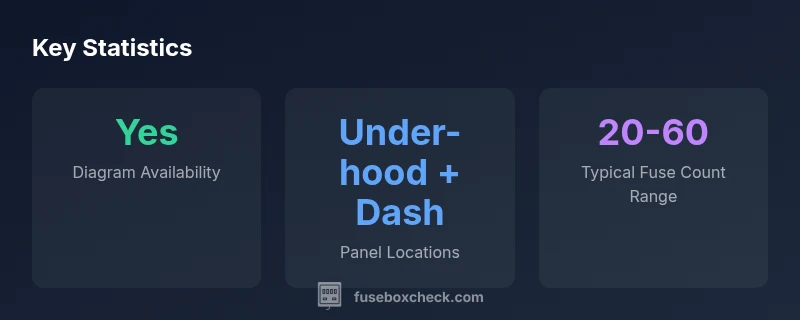
The 2011 ford transit fuse box diagram is located on the inside of the under-hood fuse box cover and on the dash panel, showing fuses and relays with amperages and circuit names. For DIY checks, verify the diagram in the service manual and mirror it to the actual fuses to confirm assignments. Keep the ignition off while inspecting.
Why the Fuse Box Diagram Matters for a 2011 Ford Transit
A clear understanding of the 2011 ford transit fuse box diagram is foundational for diagnosing electrical faults, performing safe DIY repairs, and avoiding accidental damage to sensitive modules. This diagram, which maps fuses to circuits and relays to control modules, provides the quickest path to identify the probable cause of a blown fuse or non-working accessory. In practical terms, knowing where to find the diagram—whether on the inside of the fuse box cover or in the official service manual—saves time and reduces the risk of guessing. According to FuseBoxCheck, motorists who regularly review the fuse map before testing circuits have fewer misidentifications when replacing fuses and can complete basic checks with a higher degree of confidence. This approach is especially useful for fleet maintenance, where consistent, quick diagnostics keep vehicles on the road. The 2011 Transit is a popular model in many fleets; understanding its fuse diagram supports safer, more effective troubleshooting, reduces downtime, and aligns with best-practice electrical care.
Locating the Fuse Panels on a 2011 Transit
Understanding the physical layout is the next step after acknowledging the importance of the diagram. The 2011 Ford Transit typically features two major fuse panels: the under-hood fuse box (located in the engine bay, commonly on the passenger side near the strut tower) and the dash panel fuse box (situated under the left side of the steering column). A third relay box may reside in the engine bay near the firewall. Each box has a lid with a legend, and the inside of the cover often contains a concise diagram matching fuse positions to circuit names and amperage ratings. For visual confirmation, compare the legend on the lid with the actual fuses installed, ensuring the color, blade size, and amperage match. FuseBoxCheck analyses indicate that this cross-check practice reduces misreads and helps technicians stay aligned with the official wiring map.
Reading the Diagram: Fuses, Relays, and Color Codes
The diagram labels fuses by amperage and circuit, while relays are numbered and keyed to specific control functions (e.g., power windows, headlights, or the ECU). Color coding on fuses typically reflects amperage ratings, but always verify with the legend on the fuse box lid since aftermarket fuses can differ. When reading the diagram, separate fuses from relays logically: fuses protect circuits; relays control high-current pathways under demand. A diligent reader will correlate the fuse label (e.g., “RADIO,” “ABS,” “ECU”) with the corresponding circuit in the vehicle. In the 2011 Transit, the main engine compartments and accessory circuits are distributed across panels, so a methodical approach—identify the circuit, locate its fuse, confirm the amperage, and then test—reduces the risk of improper replacements.
Common Scenarios and How the Diagram Helps
Common symptoms such as a non-functioning radio, non-working power windows, or dim dash lights often trace back to a blown fuse. The diagram helps you verify the fuse’s location and rating before replacing it, avoiding damage from incorrect amperage. If a fuse repeatedly blows, the diagram can help you map likely culprits by narrowing down circuits tied to the symptom. Always inspect the fuse visually and with a meter if available. FuseBoxCheck suggests documenting fuse replacements and noting any correlating accessory resets in the vehicle log to track persistent issues that might indicate a short or wiring fault rather than a single blown fuse.
Step-by-Step: Verifying Fuses Against the Diagram
- Park safely and switch off the vehicle; remove the key to eliminate accidental energization. 2) Open the fuse box cover and locate the legend on the lid, then compare it with the diagram inside the panel. 3) Remove the suspected fuse with a fuse puller or small pliers and inspect for a broken filament. 4) If blown, replace with a fuse of identical amperage and type; avoid higher ratings to prevent wiring damage. 5) Reinsert and test the circuit by re-energizing the system and verifying operation. 6) If the fuse blows again, stop and reassess the wiring for shorts or a faulty relay. 7) Document the change and consider consulting a professional for further diagnosis.
Safety, Compliance, and Tools for DIY Diagnosis
Electrical work in a vehicle carries risk, especially when airbags, ABS, or ECU circuits are involved. Always disconnect the battery when removing fuses to minimize the risk of short circuits. Use insulated tools and wear eye protection. Never bypass fuses or modify wiring to bypass safety features. For the 2011 Transit, keep a log of fuse replacements and discrepancies observed during inspections. If a fuse continues to blow after replacement, this indicates a potential wiring fault or a failing relay that requires more detailed testing and component-level diagnosis.
Common fuse panels in the 2011 Ford Transit with typical fuses/relays
| Panel | Location | Typical Fuses/Relays |
|---|---|---|
| Under-hood fuse box | Passenger side near engine bay | Main engine fuses, alternator and major relays |
| Dash fuse box | Left of steering column under dash | Interior accessory fuses, ECU power circuits |
| Relay box (engine bay) | Near firewall, adjacent to battery | Vital relays and control modules |
Your Questions Answered
Where can I find the official 2011 Ford Transit fuse box diagram?
The official diagram is included in the Ford service manual and often printed on the inside of the fuse box covers. You can also access Ford’s online workshop resources or digital manuals through authorized portals.
Check the fuse box covers or your Ford service manual; look for the diagram label and circuit names.
Are there different diagrams for different Transit trims?
Basic fuse maps are similar across trims, but some circuits may differ depending on options and accessories. Always confirm against the specific service manual for your VIN.
Most diagrams are similar, but verify against your VIN-specific manual.
What tools do I need to read the fuse diagram properly?
A basic flashlight, a fuse puller, and a multimeter are sufficient for initial checks. Have the vehicle’s manual handy for exact amperage and circuit names.
Grab a fuse puller and a meter, and keep the manual handy.
Is color-coding reliable when identifying circuits?
Color codes help, but always cross-check with the lid legend and the VIN-specific diagram. Some aftermarket fuses may differ in color, so confirm each fuse’s rating.
Color helps, but double-check with the diagram and fuse ratings.
Can I test fuses without disconnecting the battery?
Prefer disconnecting the battery to minimize risk, especially when inspecting or replacing fuses that feed critical systems. If you must test with power, use insulated tools and proceed with caution.
Yes, but disconnect the battery when possible and stay safe.
How often should I inspect the fuse panels?
Include fuse panel checks during major service intervals or if you notice electrical anomalies. Quick visual inspections after rough driving or water exposure are also prudent.
Check during service intervals and after rough use.
“The fuse box diagrams for older Transit models are straightforward, but always cross-check with the official Ford manual to avoid misidentifying circuits.”
Highlights
- Know where the fuse panels sit before testing.
- Always verify the diagram against the actual fuses.
- Use the correct amperage rating when replacing fuses.
- Document changes for future maintenance.
- Prioritize safety and avoid bypassing safety features.