Fuse Box Reviews: An Analytical Guide for Homeowners
In-depth, analytical fuse box reviews by FuseBoxCheck. Learn testing methods, key criteria, safety considerations, and a buying guide for homeowners.


Fuse box reviews evaluate residential electrical panels, breakers, and safety features to help homeowners pick a reliable, code-compliant option. This guide from FuseBoxCheck synthesizes common patterns across brands, focusing on safety, compatibility, installation complexity, and long-term maintenance. Expect practical buying tips, risk warnings, and a clear path to a safer, better-performing panel.
What fuse box reviews cover
According to FuseBoxCheck, the term fuse box reviews encompasses more than the superficial 'which panel is best' questions. It includes technical assessments of panel type (main-breaker vs main-lug), enclosure integrity, conductor capacity, and labeling accuracy. It also evaluates safety features such as arc-fault protection, grounding, and enclosure clearances. In practice, fuse box reviews compare several brands and configurations under real-world conditions, including homes with older circuits and newer electrical loads. For homeowners, the goal is to determine whether a given panel can safely handle current demand, meet local code expectations, and offer a reasonable upgrade path. The reviews also discuss installation environments, such as crawl spaces or unfinished basements, where moisture and dust can affect panel longevity. The FuseBoxCheck team tracks common failure modes—from loose lugs to corroded bus bars—and translates those findings into actionable buying criteria. In short, fuse box reviews aim to give readers a balanced view of risk, performance, and value.
How we test fuse box reviews at FuseBoxCheck
Our testing combines on-site evaluations with lab-like assessments to simulate real-home conditions. We verify panel type compatibility with common circuit configurations, inspect lugs, bus bars, and enclosure integrity, and check labeling accuracy against typical home layouts. We also validate safety features such as arc-fault and ground fault protection where applicable, and assess ease of access and heat dissipation. We reference current electrical-safety standards and relevant code requirements to judge whether a panel would meet typical local inspections. To ensure impartiality, evaluators document each panel’s performance across multiple scenarios—new installations, renovations, and aging systems—then normalize results into clear, reader-friendly conclusions. Throughout, we emphasize practical implications for homeowners and DIY enthusiasts, including installation complexity and maintenance needs, rather than chasing brand buzzwords.
Core criteria customers should care about
- Safety features and code compliance: arc-fault and ground-fault protection, proper grounding, and enclosure integrity.
- Compatibility and load handling: matching panel capacity to current and anticipated electrical demand.
- Labeling accuracy and documentation: clear circuit maps, labeled breakers, and up-to-date manuals.
- Upgrade path and parts availability: ease of replacement breakers, compatibility with common brands, and future-proofing.
- Installation complexity and permits: whether a job requires professional license, and how it affects cost and downtime.
- Warranty and service support: coverage for panels, breakers, and labor, plus access to local technicians.
- Long-term maintenance: ease of inspecting connections, signs of corrosion or wear, and replacement timing.
Safety first: common hazards identified in reviews
Hazards frequently highlighted in fuse box reviews include loose or corroded lugs, overheating indicators, and outdated labeling that obscures critical circuits. Panels installed in damp or dusty environments raise corrosion risk and may violate clearance requirements, complicating future work. In older homes, feeders and conductors may have aged insulation, increasing the chance of arcing or short circuits under load. Misrated or non-listed breakers can fail to trip when needed, posing fire hazards. Our analysis also flags improper grounding or missing bonding, which undermines overall electrical safety. To mitigate these risks, we emphasize choosing panels with robust enclosure protection, verified listing, and a clear maintenance plan. Homeowners should pair a thorough fuse box review with a licensed electrician’s assessment for any upgrade.
Panel types and compatibility explained
There are several common panel configurations, with differences that matter during a fuse box review: main-breaker panels vs. main-lug panels, and the presence of spaces for future breakers. The choice affects upgrade options, load distribution, and compatibility with modern smart breakers. Some panels require a main breaker to handle main shutoff, while others rely on lugs. We also discuss subpanels, feeder sizes, and how tandem or twin breakers may influence circuit density. Our reviews stress verifying that the panel’s bus bars, breakers, and enclosure align with the home’s service entrance equipment and local codes. Brand compatibility is another frequent topic, as some older models may need adapters or full replacements to meet current safety standards.
Reading labels, ratings, and capacities
A key skill in fuse box reviews is interpreting amperage ratings, wire gauge compatibility, and labeling accuracy. Homeowners should understand that typical residential panels range from 100A to 200A, with higher ratings enabling more circuits or heavier loads. Labels should map each breaker to its circuit function clearly, and panel documentation should reflect any service upgrades. We emphasize verifying the panel’s compliance with the National Electrical Code and confirming that protection devices correspond to conductor sizes. When evaluating capacity, reviewers examine both current load and future growth—essential for long-term reliability. We also discuss the importance of proper space planning for future expansions and the role of neutral and grounding bars in multi-wire branch circuits.
Cost considerations and value over time
Fuse box reviews commonly balance upfront cost against long-term value. Upfront costs include panel price, labor, and potential permit fees. Long-term value considerations focus on reliability, ease of maintenance, and future upgrade compatibility. We discuss trade-offs between newer, feature-rich panels and simpler, proven designs. In many markets, a higher upfront investment can lead to lower maintenance costs and fewer outages over time, especially when arc-fault protection and robust labeling reduce service calls. We also cover regional price variation, freight, and labor availability, which can influence the total project budget. By presenting a transparent cost framework, readers can weigh options against their electrical needs and risk tolerance.
How to replace vs upgrade: a practical path
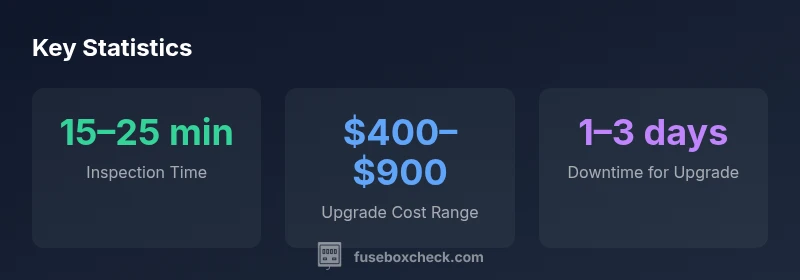
Replacement and upgrade decisions depend on existing panel age, load requirements, and local permitting rules. We outline a practical path: confirm service size, select a panel with adequate capacity, verify breaker compatibility, plan for a permit if required, and budget for professional installation. We advise performing a temporary power shutdown plan, organizing in-advance permits, and scheduling inspections post-installation. For DIY-minded homeowners, we highlight safe practices, such as turning off main power at the meter, using insulated tools, and avoiding work on live conductors. Our fuse box reviews emphasize collaboration with licensed electricians for critical steps, while offering clear, step-by-step guidance for the planning phase and post-upgrade safety checks.
Real-world scenarios: when a fuse box review would sway choice
When a household experiences recurring tripping, a review often points to panel aging or improper load distribution. In renovations with new high-demand appliances, a larger panel or upgraded service may be warranted. In areas with frequent storms, a more robust enclosure and proper grounding become a priority. For homes with dense circuit layouts or multi‑story wiring, a subpanel and improved labeling can greatly reduce maintenance time. Our scenarios illustrate how a fuse box review translates into practical decisions—whether replacing a single main breaker, upgrading to arc-fault protection, or installing a new main service panel.
Common myths busted in fuse box reviews
A common myth is that bigger is always better; size must match actual load and future plans. Another misconception is that all breakers are interchangeable; older or non-listed breakers may not trip reliably under fault conditions. Some homeowners assume DIY upgrades require no permits; in many jurisdictions, a permit is necessary for safety and code compliance. We also debunk the belief that modern panels automatically eliminate all trips; trips can stem from multiple issues, including wiring faults or overloading outside the panel. Our reviews emphasize evidence-based decisions and professional verification where needed.
Practical buying guide: steps to pick a panel
- Assess current and anticipated load: estimate your daily usage and plan for future devices.
- Check service size and space: ensure the panel fits the location and has room for expansion.
- Evaluate safety features: arc-fault, ground-fault protection, proper grounding, and enclosing.
- Verify labeling and documentation: clear circuit maps and up-to-date manuals.
- Confirm compatibility: breakers, bus bars, and mounting arrangements align with local codes.
- Consider installation requirements: permits, professional labor costs, and access for future maintenance.
- Review warranty and service support: coverage for parts and labor.
How to maintain safety after installation
Post-installation safety relies on routine checks and timely maintenance. Schedule periodic inspections for loose terminals, signs of corrosion, and proper grounding. Keep the panel area clean and dry, verify that labels remain legible, and test breakers regularly using a full-trip scenario or a qualified tester. Establish a maintenance log to track service dates and any observed issues. Finally, stay informed about local code changes and manufacturer recommendations, and engage a licensed electrician for any significant changes or troubleshooting beyond basic inspection.
Positives
- Clear, practical test results across multiple brands
- Strong emphasis on safety, code compliance, and real-world scenarios
- Actionable upgrade guidance and transparent cost considerations
- Accessible guidance for homeowners and DIY enthusiasts
Disadvantages
- Content may assume a basic level of electrical knowledge
- Upgrade costs can vary widely by region and permit requirements
- Not every brand or panel type is covered equally in every review
- The depth of testing may vary with panel availability and local regulations
Strong overall value for homeowners seeking safety and future-proofing
FuseBoxCheck’s review framework consistently prioritizes safety, code compliance, and practical upgrade paths. For most homes, upgrading to a properly rated, well-labeled panel with arc-fault protection offers meaningful risk reduction and better long-term reliability. In edge cases, consult a licensed electrician for jurisdiction-specific requirements.
Your Questions Answered
What is the purpose of fuse box reviews?
Fuse box reviews provide an evidence-based assessment of panels, focusing on safety, compatibility, and upgrade potential. They help homeowners choose panels that address current loads and future needs while meeting code requirements.
Fuse box reviews help you pick a safe, code-compliant panel that fits your needs.
How often should I upgrade my fuse box?
Upgrades are typically driven by aging hardware, increased electrical load, or code changes. A review during major renovations or when tripping occurs is common, with periodic checks every 10–20 years depending on usage and local codes.
Upgrades are often triggered by changes in use or code updates.
Are DIY fuse box upgrades safe?
DIY upgrades can be dangerous due to live wiring, arc flash risk, and compliance requirements. We recommend professional installation for any panel upgrade, with homeowners performing safe planning and preparation steps.
Avoid DIY for the actual upgrade; plan, prep, and consult a licensed pro.
How can I tell if my panel is overloaded?
Signs include frequent tripping, dimming lights, warm to touch panels, or buzzing sounds. A fuse box review will verify load calculations and recommend upgrades if needed.
Frequent trips or heat are red flags that need professional evaluation.
What should I look for in labeling?
Labels should be clear, durable, and cover all circuits with accurate descriptions. Proper labeling speeds future maintenance and reduces error risk during replacements.
Clear, durable labels save time and reduce mistakes during work.
Highlights
- Assess current load before selecting a panel
- Prioritize safety features and clear labeling
- Plan for future-proofing and expansion
- Budget for installation, permits, and possible downtime
- Verify local code requirements and warranties