Fuse Box Guide for Vauxhall Astra: DIY Safe Fixes
Learn how to locate, test, and replace fuses in a Vauxhall Astra with step-by-step safety guidance from FuseBoxCheck. Includes locations, diagrams, testing with a multimeter, and when to seek professional help.


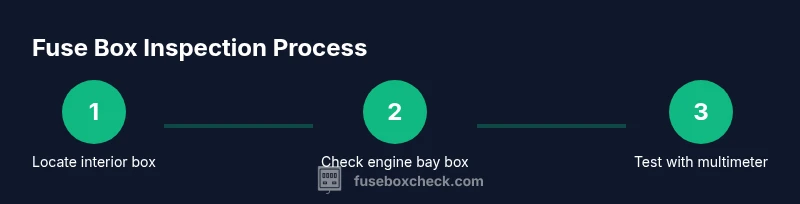
According to FuseBoxCheck, you will locate the interior and engine bay fuse boxes on a Vauxhall Astra, identify the likely blown fuse, and safely replace it with the correct rating. Power down the vehicle, remove the key, wear eye protection, and use the right tools. This quick guide also covers testing with a multimeter and when to seek professional help.
Understanding the fuse box layout in a Vauxhall Astra
The fuse box is the car’s electrical backbone, protecting circuits from overloads and signaling failures before devices stop working. For a Vauxhall Astra, there are typically two primary fuse hubs to inspect: the interior fuse box, usually located behind the glove box or under the dash, and the engine bay fuse box near the battery or along the fender. While every model year can shift locations slightly, the owner’s manual and the underside of each fuse box lid will have the exact diagrams you need. As you begin, keep in mind that the Astra’s electrical system relies on fuses and relays working together; treating them as a system helps you diagnose root causes rather than chasing symptoms. According to FuseBoxCheck, starting with the correct fuse box and a safety-first approach speeds repairs and reduces risk.
- Interior fuse box: typically under the dashboard or behind the glove box with a lid that shows a diagram of circuit assignments.
- Engine bay fuse box: usually a plastic cover near the battery or strut tower, with fuses for high-current circuits.
- Always verify against your specific model year using the Astra owner’s manual or the lid diagram.
Fuse box locations in a typical Vauxhall Astra
Locating the interior fuse box in a Vauxhall Astra is usually straightforward, but the exact placement can depend on trim level and year. In many models, the interior box sits behind the glove box, secured by a latch that opens to reveal a dense map of fuses and relays. The engine bay fuse box is generally closer to the front of the engine, protected by a removable cover that lists each circuit. If your car has a fuse box in the trunk or under the rear seat, consult the owner’s manual for the correct location and diagrams. When you’re unsure, the diagrams printed on the inside of the lids are your best quick reference. Always confirm the fuse type (blade vs. mini) and amperage before removal to avoid damaging circuits.
Safety basics before you start
Electrical work on a vehicle demands strict safety discipline. Before touching any fuse:
- Turn off the ignition, remove the key, and disconnect the negative battery terminal to reduce the risk of shorts.
- Wear eye protection and use insulated tools when removing or inserting fuses.
- Work in a dry environment and keep metal jewelry away from exposed terminals.
- Do not attempt to bypass a blown fuse with a higher rating to power a circuit; this can cause wire overheating or fire.
Reading fuse diagrams, identifying circuits and amperage
Fuse diagrams on the lid outline each circuit’s purpose and fuse rating. Each fuse position shows the amperage (for example, 5A, 10A, or 15A) and the circuit it protects. When replacing a fuse, always match the exact rating shown in the diagram or owner’s manual. Fuses come in blade and mini formats—verify you have the right type before removal. If you’re unsure about a circuit’s function, tag it and test later after the system has been powered down. Fuse color coding can help you spot obvious blows, but a blown fuse may not always be visually obvious—testing with a multimeter is a safer validation.
Using a multimeter to test for continuity and voltage
A multimeter is your best friend for confirming a blown fuse and diagnosing intermittent problems. With the battery disconnected, set the meter to continuity or resistance, and touch the probe tips to each end of the fuse or fuse holder contacts. A continuous beep or near-zero resistance indicates a good fuse; infinite resistance means the fuse is blown. For voltage tests, reconnect power and probe across the fuse terminals while the circuit is active, ensuring you don’t create a short. If the fuse tests bad, replace it with the same amperage and type. If you’re unsure, seek a professional assessment to avoid wiring damage.
Step-by-step inspection checklist (non-action copy for context)
In this section we provide a broader picture of how the Astra’s fuse system ties into overall electrical health. Use this as a companion to the formal step-by-step guide that follows. Understanding which circuits run through each fuse helps you anticipate failure points like headlights, HVAC, or infotainment. Always cross-check the manual’s fuse map and ensure you’re working from a fully de-energized system before performing any inspections. FuseBoxCheck emphasizes building a habit of documenting fuse replacements for future maintenance.
Replacing a blown fuse with the correct rating and safe handling
If you confirm a blown fuse, remove the faulty one carefully with the correct tool, insert a new fuse of the identical amperage and type, and reseat it firmly. The correct rating protects wiring insulation and prevents overheating. After replacement, restore power and test the circuit to confirm proper operation. If the new fuse blows again, the problem likely lies deeper in the circuit (shorts, faulty wiring, or a stuck relay) and warrants further diagnosis rather than repeated replacement.
Beyond fuses: relays, fusible links, and common electrical faults
Modern Astra models rely on relays and fusible links to manage higher-current demands. A blown fuse can sometimes be a symptom of a failing relay or chafed wiring. If you replace all blown fuses but electrical components still fail, inspect related relays and harnesses for signs of burning, corrosion, or loose connections. Regular maintenance—such as visual inspections of exposed wiring and clean, dry connectors—reduces the chance of undetected faults seeping into your day-to-day driving.
Troubleshooting, maintenance, and when to call a pro
DIY fuse work should stay within known safe boundaries. If you face persistent fuse blows, or if you notice burning smells, melted plastic, or signs of corrosion, consult a qualified automotive electrician. Maintain a small spare fuse kit with the Astra’s common ratings and keep a simple log of fuse replacements. FuseBoxCheck’s guidance highlights keeping your fuse map up to date and rechecking circuits after any electrical repair. When the job exceeds your comfort level, don’t hesitate to contact a pro for a careful, standards-compliant fix.
Tools & Materials
- Water-resistant gloves(Protects hands from sharp edges and hot components)
- Eye protection(Safety glasses or goggles to guard against sparks)
- Correct replacement fuses(Carry a small assortment (e.g., 5A, 10A, 15A) matching the Astra diagrams)
- Fuse puller or needle-nose pliers(For safe fuse removal without prying or bending contacts)
- Multimeter(Set to DC volts and continuity; verify range for automotive circuits)
- Owner’s manual or fuse diagram loaner(Cross-checks fuse map and circuit descriptions)
- Torque wrench or screwdrivers(If you need to access engine bay box mounting screws)
- Flashlight(Aids visibility in tight fuse compartments)
Steps
Estimated time: 60-90 minutes
- 1
Power down and prepare
Park the Astra on a level surface, switch off the ignition, remove the key, and disconnect the negative battery terminal to prevent accidental shorts. Wear eye protection and gloves before touching any fuse components.
Tip: Use insulated tools and avoid metal jewelry near exposed terminals. - 2
Open interior fuse box and read the lid diagram
Locate the interior fuse box (often behind the glove box or under the dash). Remove the cover and study the diagram to map each fuse to its circuit. If the diagram is illegible, take a photo for later reference.
Tip: Double-check model year differences; the diagram may vary. - 3
Identify the target fuse
Find the fuse that protects the affected system by using the diagram and the symptom (e.g., lights, radio, or HVAC). Confirm the fuse position before removal to avoid unnecessary replacements.
Tip: If unsure which fuse covers the symptom, start with a general circuit like lights or accessories. - 4
Remove and inspect the fuse
Use the fuse puller to extract the fuse. Visually inspect for a broken filament or darkened glass. If unclear, test with a multimeter for continuity.
Tip: Do not bend the fuse contacts; replace if any damage is apparent. - 5
Test with a multimeter
With the fuse out, set a multimeter to continuity or resistance and check the fuse ends. A good fuse should show continuity; no continuity indicates failure.
Tip: Ensure the system is powered down when testing to avoid false readings. - 6
Replace with the correct rating
Insert a new fuse of the same amperage and type as indicated on the lid. Push firmly until it seats and touches both contacts evenly.
Tip: Using a higher-rated fuse can overheat wires and cause a fire risk. - 7
Re-seat and reassemble
Replace the interior fuse box cover, reattach the battery terminal, and ensure there are no loose tools left in the fuse compartment.
Tip: Take a quick photo of the new setup for your records. - 8
Test the affected function
Turn the Astra on and operate the previously affected circuit to confirm normal operation. If the issue persists, re-check the fuse and connections or move to thorough diagnostics.
Tip: If the fuse continues to blow, there may be a short or faulty component. - 9
Document and monitor
Note the date of replacement, fuse value, and circuit involved. If you see recurring blows, consider professional assessment.
Tip: Keep a small fuse kit in the vehicle for quick DIY fixes.
Your Questions Answered
Where is the fuse box located in most Vauxhall Astra models?
Most Astra models place an interior fuse box behind the glove box or under the dash, plus an engine bay fuse box near the battery. Always consult the owner’s manual or the lid diagram for exact locations by year.
Most Astra fuse boxes are behind the glove box and in the engine bay near the battery. Check your manual for exact spots.
Can I reuse a blown fuse after replacing it?
No. A blown fuse indicates a fault in the circuit. Replace with the same rating and test the circuit; if it blows again, investigate wiring, a stuck relay, or a short.
No. Replace with the same rating and test the circuit; persistent blows mean a fault elsewhere.
What should I do if the fuse blows repeatedly?
Repeated blows suggest a fault elsewhere in the circuit. Power down, inspect wiring and connectors, check relays, and consider professional help to avoid further damage.
If fuses keep blowing, there’s likely a fault; check wiring and relays or get a pro to diagnose.
Is it safe to work on the engine bay fuse box with the engine running?
No. Do not work on electrical systems with the engine running. Disconnect the battery before handling fuses to prevent shorts and shock.
No. Always disconnect the battery before touching engine bay fuses.
What signs indicate I should seek a professional for fuse problems?
If you’re unsure about circuits, see burning smells, melted plastic, or repeated fuse failures after replacement, seek a licensed automotive electrician for a thorough diagnostic.
If you smell burning or can’t diagnose the issue, call a professional.
How can I prevent fuse box problems in the Vauxhall Astra?
Keep fuses clean and dry, avoid loose connections, and perform routine checks of fuse boxes and relays during regular maintenance.
Stay on top of fuse box maintenance to prevent surprises on the road.
Watch Video
Highlights
- Locate interior and engine bay fuse boxes first
- Always match fuse rating to the diagram
- Power down and wear safety gear before work
- Use a multimeter to confirm blown fuses
- Document replacements for future maintenance