How to Use an Old Fuse Box Safely: A Practical Guide
A practical, safety-first guide to using an aging fuse box. Learn how to identify fuse types, shut off power correctly, read labels, test circuits, and decide when to upgrade to a modern panel.


This guide helps you safely use an old fuse box by identifying its type, shutting off power correctly, inspecting fuses, and avoiding risky DIY changes. You'll learn when to test circuits, label sections, and how to decide if a professional upgrade is needed. This approach emphasizes safety, legality, and practical limits so you don't expose yourself to shock or fire hazards.
Understanding the Old Fuse Box and How It Differs from Modern Panels
An old fuse box is not simply obsolete—it's a different approach to power distribution. In many homes built before the 1990s, you'll encounter panels that use replaceable fuses or cartridge fuses rather than modern circuit breakers. These units can still function, but they demand careful handling because a blown fuse signals an overload or a fault in the circuit. According to FuseBoxCheck, aging fuse boxes often rely on legacy fuse types that require manual replacement and deliberate management of each circuit. The FuseBoxCheck team found that homeowners who treat these panels as simple enclosures risk shocks, arcing, and fire hazards. Understanding how these devices were designed helps you decide what kinds of maintenance are appropriate and when to upgrade.
In practical terms, an old fuse box usually has smaller cabinet dimensions, individual fuse holders, and a main disconnect that may be located in a less accessible spot. The labeling is often handwritten or on sticker labels that fade with time. The key takeaway: you can safely use an aging box if you respect its limitations, avoid substituting fuses, and plan for a future upgrade when you can afford it or when safety risk rises.
Safety Hazards You Might Encounter with an Old Fuse Box
Aging fuse boxes bring several hazards that DIY enthusiasts should respect. Corrosion on metal components, frayed wiring, and loose connections can lead to overheating. Dust, moisture, and rodent activity are common in older installations and can ignite or degrade insulation. Screens and covers may be missing or cracked, increasing the risk of accidental contact. Before you touch anything, verify there is no power to the panel by turning off the main disconnect if accessible, and never work on live circuits.
If a fuse is difficult to remove or visually shows signs of burning, do not force replacement. A blown fuse can indicate a deeper problem—could be overloaded circuits, a failing wiring path, or a mis-sized fuse. These conditions require careful diagnosis and, often, professional evaluation. Always use insulated tools and wear eye protection. If you smell burning, hear buzzing, or notice scorching around the panel, evacuate and call emergency services if needed.
Planning Your Work: What You Can Do and What to Skip
Not every task on an old fuse box is appropriate for DIY. Small checks and routine labeling are generally safe with proper precautions, but tasks that involve wiring changes, fuse replacements with mismatched ratings, or attempts to bypass protective devices should be avoided. The reality is that many aging panels were installed without modern clearance, and some are simply not up to current electrical codes. The goal is to maintain safety, reduce risk, and prepare for a code-compliant upgrade handled by a licensed electrician. Create a clear plan: identify the model type, determine accessibility, assess whether a full panel upgrade is warranted, and set a budget for professional services. FuseBoxCheck Analysis, 2026, emphasizes the importance of erring on the side of caution and scheduling an inspection if you are uncertain.
Reading Labels and Understanding Circuit Coverage
Labels on old fuse boxes can tell you which circuit each fuse protects, but the handwriting or stickers may be faded. Start by locating the main disconnect and then trace each fuse holder to its corresponding circuit. A visual map helps avoid accidental changes on unrelated circuits. When labeling, use durable tape and a permanent marker, and note any circuits that serve critical loads (lighting, refrigeration, heating). If you cannot clearly identify a circuit, treat it as potentially hazardous and avoid making changes. This section also covers basic terminology: fuse, cartridge, rating, and amperage. A clear map pays dividends for future upgrades and for daily safety checks.
Step-By-Step Safety-First Tasks You Can Do Before Upgrading
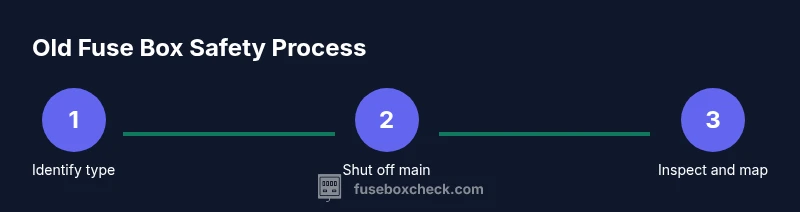
- Step 1: Locate and label the main shut-off and all accessible fuses. This establishes a safe baseline for any work. Keep a written or digital map accessible.
- Step 2: Verify power off using a non-contact voltage tester on both the panel and nearby outlets. This confirms there is no hidden live power before you proceed.
- Step 3: Inspect the fuse holders for signs of wear or burning. Do not attempt to replace damaged components with mismatched or improvised fuses.
- Step 4: Simulate a test by turning off and on circuits with the main disconnect open, noting any unexpected behavior. Record observations for your electrician's reference.
- Step 5: Decide whether to proceed with upgrades. If the panel is old, corroded, or lacks a proper enclosure, plan to upgrade with the help of a licensed pro.
Upgrade Paths: When and How to Replace with a Modern Panel
If you determine that an upgrade is warranted, you will likely move toward a modern breaker panel. The upgrade process typically involves selecting a compatible panel, upgrading service conductor sizes if needed, and routing feeders in compliance with local codes. It's essential to hire a licensed electrician because panel upgrades can involve significant risks, require permits, and must pass inspection. A professional can help you choose between a full replacement or an upgrade kit, estimate total costs, and minimize downtime. The FuseBoxCheck team recommends planning the upgrade with a defined scope, securing permits where required, and ensuring clear labeling for future maintenance. Even with a reputable DIY mindset, a panel upgrade should be handled by a trained technician to guarantee safety and code compliance.
Tools & Materials
- Non-contact voltage tester(Essential for verifying power absence before touching live components)
- Insulated screwdriver set (Flathead and Phillips)(Use insulated handles; keep bits clean and accessible)
- Safety gloves (electrical-grade)(Wear for hand protection against sharp edges and minor shocks)
- Safety goggles(Protect eyes from sparks or loose debris)
- Flashlight or headlamp(Ensure good visibility inside the panel and label areas)
- Durable labeling supplies (tape + marker)(Create a clear circuit map for future maintenance)
- Emergency contact card / electrician contact(Have professional contact information ready for upgrades)
Steps
Estimated time: 60-90 minutes
- 1
Identify fuse box type and locate the main shut-off
Take a quick inventory of the panel model, count the fuses, and locate the main disconnect. If the main is not accessible, do not attempt to access any live components. This step establishes a safe baseline before any action.
Tip: Label the main shut-off with a bright, durable label to prevent accidental re-energizing. - 2
Shut off power and verify no live circuits
Turn off the main disconnect and use the voltage tester on a known live outlet (if accessible) to confirm power is off. Then test a non-critical circuit to ensure no reactions occur when you toggle fuses.
Tip: Always test tester accuracy on a known live source first to avoid false readings. - 3
Inspect fuses and replace only with correct type
Carefully remove a fuse to inspect its condition. Do not replace with a fuse of a different rating or a makeshift alternative. Keep a mapped diagram of each circuit during this check.
Tip: If a fuse shows signs of burning or scorching, stop work and plan a professional assessment. - 4
Label circuits and map the panel
Create a clear map of circuits served by each fuse. Use durable labels and consider photographing the layout for future reference. This reduces mistakes during upgrades or future maintenance.
Tip: Include critical circuits (lighting, cooling) in bold on the map for quick identification. - 5
Decide on upgrade path and engage a pro
If the panel is old, corroded, or lacks proper enclosure, plan to upgrade with a licensed electrician. Discuss options for a full panel replacement or an upgrade kit, and obtain necessary permits where required.
Tip: Ask the electrician to provide a written plan detailing scope, timeline, and post-upgrade labeling.
Your Questions Answered
Is it safe to use an old fuse box in a modern home?
Old fuse boxes can be safe when properly maintained and labeled, but they pose higher risks than modern panels. If you notice corrosion, damaged wiring, or frequent blown fuses, plan a professional assessment or upgrade.
Old fuse boxes can be safe if well-maintained, but signs of wear mean you should consider a professional assessment before continuing to use them.
Can I replace a blown fuse with a higher-rated fuse to avoid nuisance trips?
No. Using a fuse with a higher rating can allow wiring to overheat, creating a fire hazard. Replace only with the fuse type and rating specified for the circuit.
Do not replace a fuse with a higher-rated one; it can overheat wiring and start a fire.
Should I attempt any wiring changes myself?
Wiring changes on an old fuse box should be left to a licensed electrician. Incorrect work can cause shocks, fires, and code violations. Focus on labeling and safety checks if you’re determined to DIY small tasks.
Wiring changes are not a DIY task; rely on a licensed electrician for upgrades and alterations.
What are practical signs that I should upgrade?
If the panel is hot to the touch, cracked, has corrosion, or you experience frequent trips, these are strong indicators that a modern panel upgrade is warranted.
Hot panels, cracks, or frequent trips mean you should upgrade with a licensed electrician.
How long does a typical fuse box upgrade take?
Upgrade duration varies by home and local codes, but most panel upgrades require scheduling, permitting, installation, and inspection, usually spanning several hours to a day.
Upgrade timelines vary; a typical job takes a few hours to a full day depending on permits and inspections.
What should I do before calling an electrician?
Document observed issues, gather panel model information, and map existing circuits. This helps the electrician diagnose faster and reduces project back-and-forth.
Prepare by noting issues and labeling circuits so the electrician can work efficiently.
Watch Video
Highlights
- Identify fuse box type and safety limits before touching any components
- Shut off power and verify absence of live current with a tester
- Label circuits clearly to avoid confusion during maintenance
- Do not modify fuses or bypass protective devices
- Consult a licensed electrician for upgrades or replacements