2008 Jeep Wrangler Fuse Box Layout: Location, Diagram & Troubleshooting
Learn the complete 2008 Jeep Wrangler fuse box layout, including under-hood and interior panels, fuse types, labels, and safety tips for DIY enthusiasts.


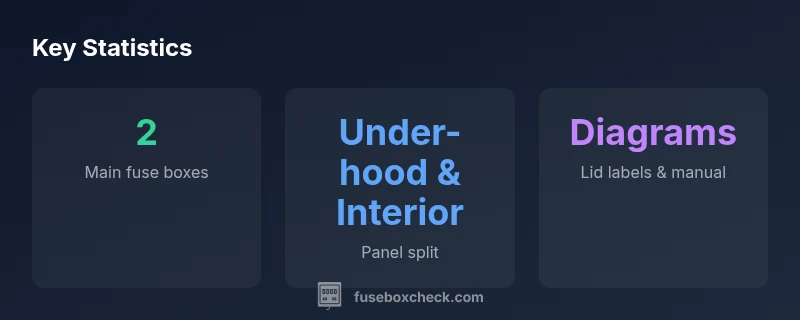
According to FuseBoxCheck, the 2008 Jeep Wrangler fuse boxes are split between an under-hood power distribution center and an interior instrument-panel box. The under-hood box handles engine and high-amperage circuits, while the interior box covers lights, HVAC, radios, and other cabin systems. Always refer to the owner’s manual diagram for your trim to confirm fuse locations.
Understanding the 2008 jeep wrangler fuse box layout
The fuse box arrangement on the 2008 Jeep Wrangler is designed to keep engine management and cabin electronics separate for safety and ease of DIY troubleshooting. In practice, this means two main hubs: an under-hood power distribution center (PDC) and an interior fuse box located within the cabin. The JK generation, which includes 2008 models, follows a two-panel approach that is common across many mid-2000s Jeeps. For DIYers, knowing this split helps you plan testing, fuse replacement, and wiring diagnostics without accidentally disabling essential systems. According to FuseBoxCheck, always start with a clean diagram and confirm the exact layout for your trim level before pulling any fuses.
Where the two fuse boxes live in the JK Wrangler
The under-hood fuse box is typically mounted in the engine bay, usually near the firewall or along a fender well. It houses high-amperage fuses and relays that protect major circuits like the engine, charging, and major accessories. The interior fuse box is usually located on the driver’s side, behind the dash, under a knee panel or near the steering column. This box contains standard blade fuses for cabin electronics: lights, HVAC, audio, and other accessories. While the general locations are consistent, exact panel placement can vary by trim and production batch. Always verify the diagram, which is often stamped on the lid or included in the owner’s manual.
Reading the fuse box diagrams and labels
Fuse diagrams in the owner’s manual and on the fuse box lids use a combination of numbers and codes. Look for a legend or index that maps fuses to specific circuits like headlights, wipers, climate control, and the infotainment system. In many cases, the interior box is organized by circuit type (e.g., lighting, power windows, access). If your vehicle has factory-added accessories, there may be additional fuses or relays in either box. Take time to compare the diagram with the labels on the actual fuses; a mistaken pull can disrupt critical functions or safety systems.
What to expect in the under-hood power distribution center
The under-hood PDC is designed to protect high-demand circuits. Fuses here are often larger (e.g., 10A–40A or higher) and are paired with relays that control essential systems such as the ignition, fuel pump, and charging. Relays add a layer of protection by allowing a small control signal to switch a larger current. When diagnosing issues tied to this box, start by visually inspecting for a blown fuse or a stuck relay. If the fuse appears intact but a circuit is not functioning, test the relay coil and contacts with a multimeter or swap in a known-good relay to isolate the fault.
What to expect in the interior instrument-panel fuse box
The interior box houses fuses for cabin-focused circuits: lights, wipers, climate control, radio, dashboards, and USB/aux connections. These fuses are generally blade-type and come in common values such as 5A, 10A, 15A, 20A, and 30A. A blown interior fuse will usually trigger a loss of function in the associated system, such as headlights or the radio. When checking this box, remove the fuse one at a time using proper tool safety, inspect for a melted or broken element, and replace with the same amperage rating. Always replace fuses one-for-one to maintain circuit protection.
How to safely inspect, remove, and replace fuses
Begin with safety: disconnect the battery if you’re working near relays or power lines, wear eye protection, and work in a dry environment. Use a fuse puller or insulated pliers to extract fuses gently. Check each fuse for a blown element (a full break or a visible gap) or a white/gray residue indicating failure. When replacing, choose the same amperage rating and type (blade vs. glass). If a fuse repeatedly blows, the circuit likely has a deeper fault, such as a short or an accessory drawing excess current. In that case, isolate the suspect component and re-test with a known-good fuse after clearing the fault.
Common troubleshooting steps for fuse-related issues in 2008 wrangler
First, confirm you’re addressing the correct fuse by referencing the diagram. Next, test the circuit with the multimeter: check continuity across the fuse and ensure voltage is present on the power side of the circuit. If voltage is present but no function occurs, the problem may lie beyond the fuse (relay, switch, wiring). If a fuse blows repeatedly, unplug non-essential aftermarket devices and re-test with a new fuse in place. Persistent blows warrant a deeper inspection of wiring harnesses for chafing, heat damage, or corrosion.
How to verify replacement fuse sizes and types without damage
Fuses come in specific amperage ratings; using a higher-rated fuse can hide an overcurrent condition and cause wiring damage. Always replace with the exact rating specified in the diagram or owner’s manual. For vehicles like the 2008 Wrangler, blade fuses are typical, but confirm the type and size at the fuse box lid. If you’re uncertain, consult the service manual or a qualified technician. After replacement, test the circuit in a controlled manner and monitor for any signs of overheating or smell of burning insulation.
Two-panel fuse layout for the 2008 Wrangler across JK generation
| Panel | Location | Typical Fuses Included |
|---|---|---|
| Under-hood Power Distribution Center | Engine bay near firewall | High-amp fuses, relays |
| Interior Instrument Panel Fuse Box | Driver's-side dash area | Cabin circuits: lights, HVAC, radio |
| Optional Accessories Box | Rear or auxiliary location (depends on trim) | Additional accessory fuses (if equipped) |
Your Questions Answered
Where are the fuse boxes located on a 2008 Jeep Wrangler?
There are two main fuse panels: the under-hood power distribution center in the engine bay and the interior fuse box located behind the driver’s dash. Always verify with the diagram in the owner’s manual for your trim.
There are two fuse panels: under the hood and inside the cabin. Check the manual for exact locations in your trim.
How do I identify a blown fuse in the 2008 Wrangler?
Visually inspect for a melted element or a broken conductor. Use a continuity tester or multimeter to confirm. Replace only with the same amperage rating and type.
Look for a melted fuse or use a tester to confirm. Replace with the same rating.
Can I replace fuses with modern blade fuses if mine are different?
Stick to the original blade fuse type and size shown in the diagram. Mixing fuse types can cause improper protection and wiring damage.
Don’t mix fuse types; use the exact blade fuse type shown.
Is there a fuse diagram in the owner’s manual I should reference?
Yes. The owner’s manual includes a fuse box diagram that maps fuses to circuits. If the manual is missing, many diagrams are printed on the fuse box lid.
Yes, check the manual diagram or the lid label.
What should I do if a fuse keeps blowing after replacement?
Isolate the circuit, inspect wiring for damage, and test components connected to that circuit. If unsure, consult a professional.
If a fuse keeps blowing, isolate the circuit and inspect wiring or seek help.
Are aftermarket accessories a common cause of fuse blows on this model?
Aftermarket devices can draw excess current or fail short, causing fuses to blow. Disconnect suspect devices and re-test.
Aftermarket gear can cause blown fuses; disconnect to test.
“A correctly labeled fuse box saves time and reduces the risk of accidental damage during electrical DIY work.”
Highlights
- Identify the two main fuse boxes first: under-hood and interior.
- Always confirm fuse labels with the official diagram in your owner’s manual.
- Replace fuses with the exact amperage rating; avoid overrating.
- Use proper tools and safety precautions when inspecting fuses.
- If a fuse repeatedly blows, suspect a deeper electrical fault.