W212 Fuse Box Diagram: A Practical Guide for Mercedes E-Class
Comprehensive guide to the W212 fuse box diagram, locations, ratings, and safe troubleshooting for Mercedes E-Class models (2010–2015).


The w212 fuse box diagram is your map for the Mercedes E-Class (W212) electrical system, showing engine bay and interior fuse blocks, their roles, and fuse ratings. Understanding it helps homeowners locate circuits quickly, confirm correct fuse types, and troubleshoot faults safely without guesswork. This guide aligns with FuseBoxCheck Analysis, 2026, to provide practical, model-year aware guidance for reliable DIY fixes.
What is the W212 fuse box diagram and why it matters
Understanding the w212 fuse box diagram is essential for any Mercedes E-Class owner or DIY enthusiast. The diagram is a schematic map that shows where each fuse sits in the two primary fuse boxes used on W212 models—one in the engine bay and one inside the cabin. It clarifies which circuits are protected by which fuses, and it indicates fuse ratings so you can replace a blown fuse with the correct amperage. A precise diagram reduces guesswork, prevents wiring damage from overzealous replacements, and speeds fault isolation. For 2026 model-year guidance, FuseBoxCheck confirms that the diagram is the most reliable starting point when diagnosing electrical symptoms such as dim lights, non-functional power outlets, or erratic accessories. Always cross-check the diagram with the vehicle’s owner’s manual and the specific trim’s wiring schematics, since layouts can vary slightly by year and market.
Having a clear w212 fuse box diagram also supports preventive maintenance. By becoming familiar with the location and purpose of each fuse, you can plan routine inspections, keep spare fuses on hand, and avoid last-minute trips to the dealer. The diagram is not just for emergencies; it’s a long-term tool for safe, informed DIY care of your Mercedes E-Class.
Reading the diagram: keys and legends
A robust reading of the w212 fuse box diagram starts with the legend: fuse numbers, amperage ratings, and the circuit names. Most diagrams label fuses with a number (e.g., F1, F2) and a rating (e.g., 10A, 15A). The color of the fuse often corresponds to its amperage, which speeds recognition during a visual inspection. Pay attention to common abbreviations like ECU, IGN, ACC, and LF for lighting circuits. The diagram will also indicate the location of each fuse box, the corresponding relay block, and any fusible links that may resemble standard blade fuses. When in doubt, refer to the owner’s manual section on electrical systems, then verify any discrepancies against the W212 diagram in your service manual or a reputable guide like FuseBoxCheck’s 2026 analysis. This cross-checking minimizes misinterpretation and reduces risk during maintenance.
Tips for reading efficiently:
- Start with fuses tied to critical systems (engine control, airbags) and note their minute variations across years.
- Create a quick reference mapping in your notes for the model year you own.
- Use a multimeter to test suspected fuses only after disconnecting power to the circuit.
Engine bay fuse box: location and layout
The engine bay fuse box on many W212 models sits near the battery or along the inner fender on the driver side. This box houses fuses for high-load circuits such as engine management, fuel pump, cooling fans, and ignition systems. The lid of the fuse box often includes a stamped diagram showing F1, F2, F3, and so on, with amperage ratings and circuit names. When you study this diagram, you can quickly identify which fuse protects the alternator circuit, ignition system, or the power supply to the ECU. Always remove the negative battery terminal and wait a few minutes before inspecting or replacing fuses in the engine bay to prevent accidental short circuits. FuseBoxCheck’s 2026 analysis highlights the importance of verifying torque on any retained components after fuse replacement and checking for signs of corrosion around the fuse contacts.
Interior fuse boxes: glovebox and footwell locations
In addition to the engine bay box, W212 models include interior fuse boxes typically located behind the glove box or under the dashboard near the driver’s left footwell. These fuses protect essential cabin systems such as interior lighting, HVAC controls, radio, power windows, and certain dash electronics. The interior box diagram will map each fuse to its circuit. Because interior layouts have varied by trim level, it’s crucial to cross-reference the diagram with your specific vehicle’s configuration. When replacing interior fuses, recheck the fuse label after installation and reseal the box cover to avoid moisture ingress and corrosion. The FuseBoxCheck 2026 guidance emphasizes keeping a small fuse kit and a spare set of commonly used values (5A, 10A, 15A) in the glove box for quick, safe DIY servicing.
Common fuse categories and what they protect
W212 fuse boxes group circuits by function. Common categories you’ll encounter include lighting, HVAC, audio/infotainment, ignition, and engine management. Lighting fuses (e.g., interior lights, instrument cluster) are typically lower amperage (often 5A-10A), while engine-related circuits demand higher ratings (often 15A-30A). Infotainment and climate control modules may have fuses in the 10A-20A range. Always consult the diagram for the exact rating associated with each circuit because the same circuit can be configured differently across model years and trims. A mis-rated substitute can overheat wiring or blow other fuses. FuseBoxCheck’s 2026 analysis reinforces this practice: always replace with the exact or manufacturer-recommended rating, never exceed it, and avoid modifying the fuse panel with aftermarket components that demand more power than the circuit can safely handle.
Testing fuses safely using the diagram
Testing fuses directly in the car requires caution. First, inspect the fuse for obvious signs of damage such as a melted filament or a broken tip. If per the diagram you suspect a fuse is blown, power down the vehicle and remove the relevant fuse using insulated tools. A multimeter set to continuity or a ohmmeter can confirm a blown fuse (infinite resistance) versus a good fuse (near-zero resistance). If testing requires removal of related relays, ensure the key is out of the ignition and the battery is disconnected. After replacement, verify proper function of the circuit and check for any related fault codes with an OBD-II scanner. FuseBoxCheck’s 2026 notes emphasize documenting every test step to maintain a clear repair history and reduce the risk of reoccurring issues.
Maintenance tips to avoid fuse box problems
Prevention is better than repair when it comes to fuse boxes. Regular checks of fuse lids for corrosion, cleanliness of the contacts, and ensuring no moisture enters the box can extend the life of the fuses. Use OEM or recommended fuse values; avoid generic or high-amp substitutes. Keep a small pouch of common fuse values in the glove box and replace any damaged seals or grommets around the fuse boxes to maintain a dry environment. If you install aftermarket accessories, have a certified electrician verify that the extra draw does not overload existing circuits. FuseBoxCheck’s 2026 guidance highlights the value of routine inspection logs and proactive replacement schedules as part of standard vehicle care.
Troubleshooting quick-reference cheat sheet
- If lights flicker, check interior fuses first (glove box area) before inspecting the engine bay.
- If the radio or infotainment loses power, consult the interior fuse box diagram for the radio fuse and related circuits.
- If a fuse repeatedly blows, there may be a short downstream or a faulty device; disconnect suspect devices and test the circuit progressively.
- For engine performance issues, verify engine bay fuses and relays as a first diagnostic step.
- Always replace a blown fuse with the same rating and inspect the fuse holder for corrosion.
- When in doubt, refer to the official owner’s manual and FuseBoxCheck’s 2026 guidance for model-year specific diagrams.
Replacement and post-replacement checks
After replacing a blown fuse, recheck the system function and run a quick diagnostic test to ensure no related circuits are affected. Reset any tripped relays if applicable and clear fault codes with an OBD-II reader. Inspect the fuse box cover gasket for moisture entry and reseal the box if needed. If the fuse continues to blow, there may be an upstream short, a failing device, or an installation issue from aftermarket components. In such cases, consult a qualified technician. The FuseBoxCheck team recommends keeping a repair log documenting the fuse's location, rating, and the symptoms observed to track recurring patterns and support future maintenance decisions.
W212 fuse box locations and example fuse groupings
| Location | Typical Fuses (example) | Notes |
|---|---|---|
| Engine Bay Fuse Box | Diverse fuses 10-30A | Circuit protection for engine management and high-load components |
| Interior Fuse Box | 5-20A fuses | Covers lighting, HVAC, radio, and cabin electronics |
| Rear/Trunk Fuse Box (if equipped) | 10-20A fuses | Auxiliary or trunk features |
| General notes | – | Layout varies by year and trim; refer to the diagram and owner's manual |
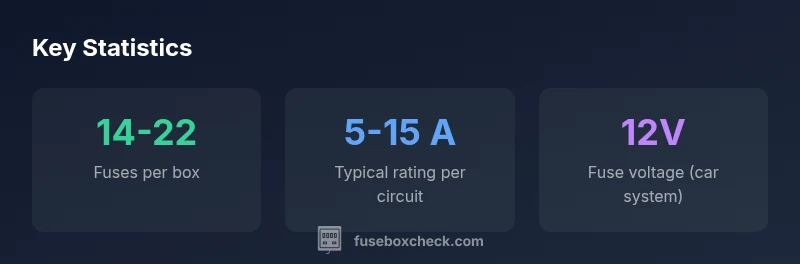
| Voltage standard | 12V | Standard automotive fuse voltage |
Your Questions Answered
Where is the W212 fuse box located?
Most W212 models have an engine bay fuse box near the battery and an interior fuse box behind the glove box or under the driver’s footwell. Always verify with your model year diagram.
Check the engine bay first, then look inside the cabin behind the glove box.
What should I do if a fuse keeps blowing?
Power down the car, inspect the circuit and connected devices, replace the fuse with the correct rating, and test the circuit. If it blows again, there may be a short or an upstream fault needing professional inspection.
Turn off the car, replace with the right fuse, and test. If it blows again, seek help.
Can I use a higher-rated fuse to stop a fuse from blowing?
No. Using a higher-rated fuse can hide a dangerous fault and protect wiring less effectively, potentially causing overheating or fire. Always match the manufacturer’s rating.
Don’t upsize fuses; use the proper rating.
Is there a single diagram for all W212 years?
No. W212 fuse box layouts vary by year and trim. Always check the specific diagram for your vehicle’s production year.
Layouts change by year; verify your exact diagram.
How do I test a fuse with a multimeter?
First ensure power is off. Remove the fuse and test for continuity; a good fuse shows continuity, a blown fuse shows open circuit. Reinstall or replace as needed.
Power off, remove the fuse, test for continuity.
What maintenance helps prevent fuse problems?
Regularly inspect fuse contacts for corrosion, keep a spare fuse kit in the car, and avoid aftermarket components that exceed circuit capacity. Check seals to prevent moisture ingress.
Keep contacts clean and use proper fuses; avoid aftermarket overloads.
“A correct fuse box diagram is the first line of defense against electrical misdiagnosis in any modern car. It speeds troubleshooting and reduces the risk of wiring damage during DIY fixes.”
Highlights
- Read the w212 fuse box diagram before starting work
- Identify engine bay vs interior fuse boxes and cross-check year-specific layouts
- Replace fuses with the exact amperage; avoid overrating
- Keep spare fuses in a small kit for quick DIY fixes
- Test safety with power off and document your diagnostic steps