Can You Use Contact Cleaner on a Fuse Box? Safe Cleaning for Homeowners
Learn whether contact cleaner is safe for fuse boxes, why liquids near electrical panels are risky, and how to clean exterior surfaces safely. Practical steps, safety tips, and pro guidance from FuseBoxCheck.


Can you use contact cleaner on a fuse box? The short answer is no for internal components and when dealing with live power. Exterior cleaning can be done with a dry microfiber cloth, keeping moisture away from seals and vents. If you must use liquid, apply it to a cloth only after power-off and never spray toward the interior.
Can You Use Contact Cleaner on a Fuse Box? What the Experts Say
According to FuseBoxCheck, treating a fuse box like a typical electronics device is risky. Contact cleaners can leave conductive residues, foster moisture around delicate terminals, or corrode metal parts inside the panel. The safe approach is to avoid liquids near the interior and minimize moisture on exterior surfaces. This section explains why and how to clean safely, with practical steps and evidence-based guidance from credible sources in the electrical-safety community. Remember: exterior cleaning is often acceptable in small amounts, but interior work should be left to licensed professionals. The FuseBoxCheck team emphasizes that safety must come first to protect you and your home.
This article uses general, non-proprietary guidance to help homeowners and DIY enthusiasts approach fuse-box care with confidence and caution. For readers comparing methods, the core principle is to avoid liquid exposure inside the panel and to prevent moisture from entering vents or contact points.
Understanding Fuse Box Surfaces vs. Internals
A fuse box consists of an exterior cover and interior components where conductors, fuses, and breakers connect. The exterior shell is designed to keep dust out and support heat dissipation; the interior has live electrical connections that can arc or spark if moisture or cleaners reach them. Cleaning decisions hinge on whether you’re dealing with the outside surface or the internal chamber. Moisture on the exterior can drift to gaskets and seals, potentially loosening connections over time. However, spraying cleaners inside the box is discouraged because even tiny amounts of liquid can create conductive paths where none should exist. This distinction is fundamental for safe maintenance and long-term reliability.
Safe Cleaning Practices for Exterior Fuse Box Surfaces
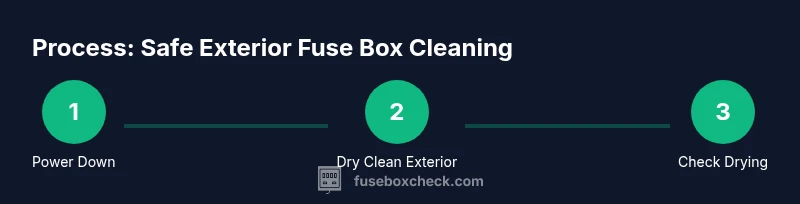
To clean exterior surfaces safely, start by powering down the area: switch off the main breaker or disconnect the service if accessible, and verify with a non-contact tester that no voltage is present on the exposed panel. Use a dry microfiber cloth to wipe away dust and dirt from the cover, latches, and vent openings. If grime persists, dampen the cloth very slightly with a mild soap solution or water, then wring it out until it is nearly dry. Wipe the surface gently and immediately dry with a second clean cloth. Never spray liquids directly onto the fuse box or pressurized cleaners toward any seams or openings. After cleaning, inspect the panel for moisture, condensation, or residue and give it time to dry before re-energizing.
When to Avoid Liquids Entirely and Why
Liquids near electrical equipment can create hidden hazards. Wet surfaces increase the risk of arcing when power is restored, and cleaning residues may trap moisture or attract dust. Do not use water, solvents, or contact cleaners inside or around the interior of the fuse box, including near fuses, breakers, terminals, or bus bars. If you notice corrosion, burnt smells, or scorching marks, stop and call a licensed electrician. Any cleaning that involves entering the interior void or removing the panel cover should be treated as professional work. The interior of a fuse box is not a DIY-cleaning zone for most homeowners.
Alternatives to Liquid Cleaners
For exterior grime, dry methods are best: use a microfiber cloth, a soft-bristle brush for stubborn dust in crevices, and a vacuum with a brush attachment to remove debris from vent louvers. If you must use moisture, keep it to a barely damp cloth and only on the exterior surface, never near the seams, labels, or interior openings. Avoid compressed air near the panel, as a sudden gust could push dust into sensitive gaps or disperse moisture. Opt for low-moisture approaches and always dry completely before re-energizing.
Between cleanings, a simple dusting routine can reduce buildup and extend the life of the enclosure. Regular checks for moisture, corrosion, and signs of wear help you catch problems before they escalate.
Maintenance Routine and Preventive Care
Implement a light, homeowner-friendly maintenance routine every 6–12 months or after heavy storms or humidity spikes. Start with a visual inspection of the exterior cover, screws, and gasket seals. Remove loose dust with a microfiber cloth. Use a damp cloth sparingly if needed, but ensure the surface is dried promptly. Keep the area around the fuse box free of clutter and moisture sources (like leaks or standing water). Document any changes you notice and store that record with your home-maintenance notes. If you’re unsure about the safe sequence for shutting off power, consult your utility company or a licensed electrician.
Common Mistakes and How to Fix
Common mistakes include spraying liquid cleaners directly onto the fuse box, using corrosive solvents, cleaning while power is on, and neglecting to dry the exterior fully. Fix these by always turning off power before cleaning, using non-conductive cleaning tools, and testing the area with a dry cloth after cleaning to ensure no moisture remains. If you accidentally expose a live connector, stop immediately and contact a pro.
What to Do If You Suspect Damage
If you notice scorch marks, a buzzing sound, a burning smell, or signs of heat around the fuse box after cleaning, treat it as an emergency. Do not attempt DIY repairs; power down at the main disconnect and call a licensed electrician immediately. Document observations with photos and notes. Do not re-energize the panel until a professional has inspected the area and declared it safe.
Quick Diagnostic Checks You Can Do Safely
Perform light exterior checks: confirm the cover sits flush, screws are tight, and there are no obvious signs of moisture or corrosion around the exterior. Look for any loose or discolored labels and ensure the panel is free from hairline cracks. If anything unusual is observed, leave it alone and seek professional assessment. These checks are for awareness and safety, not for interior diagnostics.
Final Checklist Before Re-energizing
Before turning power back on, ensure: exterior surfaces are dry, no moisture around vents or seals, screws are tightened, and there are no visible signs of damage or corrosion. Verify you know the location of the main disconnect and that you have a clear path to the panel in case you need to switch off power again. If you’re uncertain, schedule a quick professional inspection.
Authoritative References
- NFPA: Electrical Safety (nfpa.org)
- OSHA: Electrical Safety and Lockout/Tagout (osha.gov)
- CPSC: Electrical Safety Information (cpsc.gov)
Tools & Materials
- Non-conductive microfiber cloth(For exterior, dry cleaning; avoid leaving fibers behind)
- Insulated gloves(Wear when near panel boundaries or shutoff)
- Safety glasses(Eye protection during cleaning and inspection)
- Non-contact voltage tester(Verify power state before touching panel)
- Mild soap (optional)(Use only with a barely damp cloth; avoid direct spray)
- Soft-bristle brush (optional)(Loosen stubborn dust from vents)
- Vacuum with brush attachment (optional)(Remove accumulated dust from exterior crevices)
- Bucket or container (optional)(For diluted soap solution, keep moisture to a minimum)
- Owner's manual / service guide (optional)(Refer to manufacturer recommendations)
Steps
Estimated time: 30-45 minutes
- 1
Power down and verify safety
Locate the main service disconnect or panel main breaker and switch it off. Use a non-contact voltage tester to confirm there is no live voltage on the exterior of the panel before you touch anything. This step prevents accidental shocks or arcing while you clean.
Tip: If you cannot locate the main disconnect or you are unsure how to shut off power safely, do not proceed. - 2
Clear dust from exterior surfaces
Wipe the exterior cover, door, and vents with a dry microfiber cloth to remove loose dust. Avoid applying any liquid directly to the panel. If dust is stubborn, use a soft brush to loosen it before wiping again.
Tip: Work from top to bottom to prevent dust from falling into crevices you just cleaned. - 3
Address stubborn grime with a barely damp cloth
If needed, lightly dampen a cloth with a mild soap solution and wipe the exterior surface. Wring the cloth thoroughly to keep moisture to a minimum and dry the surface immediately with a dry cloth.
Tip: Never spray or pour liquid near vents, labels, or seams. - 4
Dry, inspect, and re-check
After cleaning, ensure all exterior areas are completely dry. Inspect the gasket seals and screws for tightness and look for any signs of corrosion or moisture that may indicate a leak.
Tip: If you detect moisture or corrosion, stop and consult a professional. - 5
Re-energize cautiously
Once the exterior is dry and you’ve confirmed no signs of damage, switch the main breaker back on and monitor the area for any unusual heat, smells, or noises.
Tip: If anything seems off after re-energizing, shut down power again and call a pro. - 6
Document and review
Record the date, what was cleaned, and any observations. Keep notes with your home records so you can track the fuse box’s condition over time.
Tip: Regular documentation helps catch issues early and informs future maintenance.
Your Questions Answered
Can cleaning a fuse box void my warranty?
Most manufacturers discourage liquids near electrical panels. Exterior cleaning with proper caution typically does not void a warranty, but any interior work or modification should be performed by a licensed professional. Always check your manual for specifics.
Usually cleaning the exterior with care won’t void your warranty, but avoid interior work and follow the manual. When in doubt, ask a licensed professional.
Is it safe to spray water or cleaner into a fuse box?
No. Spraying water or cleaners into a fuse box can cause arcing, insulation damage, and safety hazards. Only use a barely damp cloth for exterior surfaces and keep liquids away from any openings.
No—do not spray cleaners into a fuse box. Use a barely damp cloth on the outside only.
What if there is dust accumulation inside the panel?
Do not attempt interior cleaning. If you notice dust near the interior or vents, contact a licensed electrician for inspection and cleaning. Interior access requires training and proper safety protocols.
If you see dust inside, don’t DIY it—call a pro for interior cleaning.
What tools are safest for periodic maintenance?
Use non-conductive microfiber cloths, a soft brush, and a vacuum with brush attachment for exterior surfaces. Always have safety gear and test for power before starting.
Non-conductive cloths, a soft brush, and a vacuum for the outside are best.
Can I clean a fuse box while the main breaker is on?
No. Cleaning should be performed with power off to prevent shocks or arcing. After any cleaning, re-check power state before re-energizing.
Don’t clean with power on. Turn off power first.
When should I call a pro?
If you notice scorching, a burning smell, buzzing, or any visible damage, stop and call a licensed electrician immediately. Electrical work beyond exterior cleaning should be handled by a pro.
Call a pro if you smell burning or hear buzzing.
Are there safer cleaner alternatives?
Yes—dry microfiber methods, soft brushes, and careful dusting are safer. Avoid any liquid near the interior and keep moisture to a minimum on the exterior.
Dry methods are safer; avoid liquids near the interior.
Watch Video
Highlights
- Power off before cleaning and verify no voltage present.
- Use dry or barely damp cloths only on exterior surfaces.
- Never spray liquids into or near the fuse box interior.
- Reserve interior cleaning for licensed professionals.
- Document maintenance for future safety checks.