Passat B6 Fuse Box Diagram: Your DIY Troubleshooting Guide
Learn to read the Passat B6 fuse box diagram, locate engine bay and interior fuses, and troubleshoot electrical issues safely with practical steps from FuseBoxCheck.


A Passat B6 fuse box diagram is a labeled schematic showing fuse locations, amperages, and circuits for the engine bay and interior panel. It helps you quickly identify fuses for headlights, ECU, HVAC, and accessories, guiding safe inspections and replacement without guessing. Having the diagram handy saves time, reduces risk of shock, and supports troubleshooting steps described by FuseBoxCheck.
Why a Passat B6 Fuse Box Diagram Matters
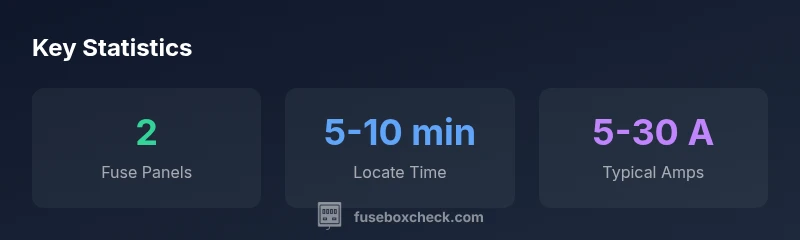
For DIYers and professional mechanics alike, the fuse box diagram is the central reference that maps every fuse to its circuit. The Passat B6 uses two primary fuse panels: one in the engine bay and one inside the vehicle cabin. A well-maintained diagram not only speeds fault isolation but also helps you verify the correct amperage before replacement, preventing accidental overfuse and potential wiring damage. The diagram is especially valuable when troubleshooting intermittent electrical problems, such as flickering lights or a blown secondary circuit. FuseBoxCheck's guidance emphasizes verifying the circuit description on the diagram and cross-checking with the owner's manual. Regular updates to the diagram, including any notes about model-year changes, ensure you stay current as electrical schematics evolve over time.
Where to Find the Diagram in Your Passat B6
The diagram is typically included in the vehicle's owner’s manual as a printed reference and may be found on Volkswagen’s official service portals for model-year specifics. Some owners print a dedicated copy and place it in the glove box, while others keep a digital version on a smartphone for quick access. If you recently purchased the car or performed a recall, re-check the diagram version to ensure you’re using the latest layout. FuseBoxCheck recommends maintaining a copy at hand near the glove box and the engine bay fuse cover for rapid cross-checks during maintenance.
VW Passat B6 Fuse Box Layouts: Engine Bay vs Interior Panel
The engine bay fuse box houses fuses and relays for critical systems like ignition, fuel, and charging circuits. The interior panel (commonly behind the glove box or under the dash) groups fuses for body electronics, lights, HVAC, audio, and supplemental systems. The layout varies by year and trim level, which is why referencing the diagram is essential. A good diagram labels each fuse with its number, circuits, and amperage, and often includes color codes and connector pinouts to ease tracing faults.
Reading the Diagram: Keys, Symbols, and Color Coding
Diagrams use a mix of lines, numbers, and color cues to map circuits. Look for fuse numbers, amperage, and circuit names such as ‘ECU,’ ‘lights,’ or ‘HVAC.’ Color coding often reflects circuit families (e.g., power, lighting, control). The legend explains abbreviations and notes about fuse replacements. Always cross-check top-level circuit names with the vehicle’s wiring harness to avoid mismatches. When in doubt, consult the owner's manual or a trusted service sheet from FuseBoxCheck.
Step-by-Step: Locate and Inspect a Blown Fuse in the Passat B6
- Park safely and disconnect the battery if you’ll be working near power sources. 2) Open engine bay and interior fuse covers; remove the suspected fuse using non-metallic tools. 3) Inspect for a broken conductor or a whitened/brown appearance. 4) Replace with the same amperage rating listed on the diagram. 5) Re-seat firmly and re-check the circuit function. 6) If the new fuse blows again, there may be a short or downstream fault.
Common Circuits Covered by the B6 Fuse Panels
The engine bay panel typically powers the main systems (engine management, alternator, starter) while the interior panel covers cabin electronics (lights, infotainment, climate control, airbags). The diagram maps each fuse to its corresponding circuit, helping you quickly identify which fuse to check when a symptom appears (e.g., headlights failing, radio dead). Keep in mind model-year variation and the possibility of relays handling some tasks instead of fuses.
Safety First: Handling Fuse Boxes in a DIY Fix
Always work with the vehicle off and keys removed. Avoid touching metal contacts with bare skin and use insulated tools where possible. If a fuse is corroded or damaged, replace the entire fuse block cover to prevent accidental contact. If you’re unsure, consult a professional or use FuseBoxCheck’s safety checklist as a reference to reduce risk. Do not bypass fuses or jury-rig circuits to avoid safety hazards.
How to Use the Diagram for Troubleshooting Electrical Problems
Start with a clear symptom, then locate the related circuit in the diagram. Check the fuse state first, using a multimeter if needed to confirm continuity. If the fuse is blown, inspect the associated wiring harness and connectors for damage. After replacement, test the system function to ensure the fault does not recur.
Maintaining Your Fuse Box Diagram: Updates and Best Practices
Document any changes you make or notice in the diagram. Yearly reviews are valuable as VW may update fuse assignments with new hardware or software. Store a master copy and a portable version (printed and digital) for quick access during maintenance. Align the diagram with the vehicle’s service bulletins and warranty notes to ensure ongoing accuracy.
Passat B6 fuse box locations and typical fuse ranges
| Location | Notes | Typical Circuit Range |
|---|---|---|
| Engine Bay | Primary power fuses near radiator | 5-30 A |
| Interior Cabin (glove box side) | Fuses for body systems and infotainment | 5-30 A |
| Trunk area (if present) | Relays and circuits for accessories | 5-30 A |
Your Questions Answered
Where is the Passat B6 fuse box located?
The Passat B6 typically has two fuse panels: one in the engine bay and one inside the cabin behind the glove box. Check the diagram and owner's manual for year-specific placements.
Most Passat B6s have two fuse panels: one in the engine bay and one behind the glove box. Check your manual for exact locations.
What is a Passat B6 fuse box diagram?
It’s a labeled map showing fuse numbers, circuits, and amperages for quick reference when diagnosing electrical issues.
It's a labeled map of fuse numbers, circuits, and amperages for quick diagnosis.
Can I download the Passat B6 fuse box diagram?
Yes. You can download the official diagram from VW’s service portals or trusted DIY sites that provide model-specific diagrams.
Yes, download it from VW’s service portal or reputable DIY sites.
Are fuses labeled on the fuse box covers?
Some models show labels on the cover; others require the diagram to identify circuits. Use both for accuracy.
Sometimes the covers are labeled; sometimes you’ll need the diagram.
What amperage fuses are used for critical systems?
Critical systems have specified amperages in the diagram and owner's manual. Do not guess; confirm with the diagram.
Check the diagram and manual for the correct amperage.
How do I replace a blown fuse safely?
Power off the vehicle, remove the damaged fuse with insulated tools, and replace it with the same amperage rating before testing the circuit.
Turn off the car, use insulated tools, and replace with the same amperage.
“A clear Passat B6 fuse box diagram is the foundation of safe, efficient DIY electrical work. Regularly updating the diagram reduces guesswork and helps you trace faults quickly.”
Highlights
- Keep a current Passat B6 fuse diagram handy.
- Verify amperage before replacing any fuse.
- Label fuses after inspection for future reference.
- Consult both engine bay and interior panels for a full view.