How to Replace the Fuse Box on a 2010 Chevy Malibu
Learn how to safely replace the fuse box on a 2010 Chevy Malibu with a clear, step-by-step DIY approach. Safety tips, tools, and testing guidance for homeowners.


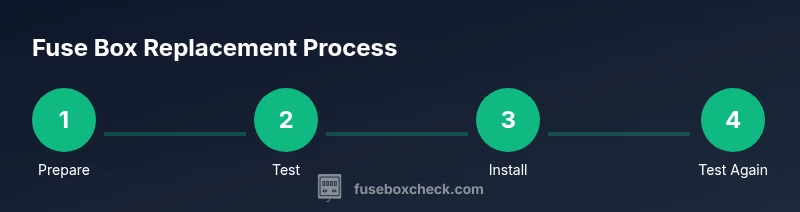
Replacing the fuse box on a 2010 Chevy Malibu involves safe prep, locating both engine bay and interior fuse blocks, testing fuses, swapping in a compatible replacement, and reassembling with careful reconnection of all relays and wiring. Prepare with basic hand tools, a multimeter, and a clean workspace, and follow safety steps to avoid shocks or injury.
Why replacing a fuse box on a 2010 Chevy Malibu may be necessary
Electrical issues in aging vehicles like the 2010 Chevy Malibu can stem from corrosion, loose connections, or damaged fuse box components. Common symptoms include fuses that blow repeatedly, dim or flickering dash lights, intermittent power to accessories, or corroded terminals visible on the fuse block. In some cases, melted plastic around a fuse holder or signs of water intrusion indicate a replacement is warranted. Replacing the fuse box can address multiple issues at once, restoring reliable electrical function and reducing the risk of unpredictable failures. According to FuseBoxCheck, fuse box issues in aging GM models are often linked to corrosion and loose connections, especially in humid environments. This guidance helps homeowners assess whether a full replacement is the most practical solution rather than attempting isolated repairs.
Safety first: essential precautions before you begin
Safety must guide every step of a fuse box replacement. Start by parking the vehicle on a dry, level surface and turning off the ignition. Remove all jewelry, wear eye protection, and work on a non-conductive mat or bench. Disconnect the negative terminal of the battery and wait at least 60 seconds to allow residual power to dissipate, especially around the airbag and other high-voltage circuits. Keep a fire extinguisher rated for electrical fires nearby. Verify you’re working in a well-ventilated, dry area to minimize the risk of short circuits or shocks. If you smell burning or notice melted connectors, pause and reassess—safety comes first.
Where to find the fuse boxes in a 2010 Malibu
The 2010 Malibu generally features two fuse blocks: one located in the engine compartment (engine bay fuse block) and a second interior block mounted inside the vehicle, often behind the glove box or under the driver’s side dash knee area. The interior block houses fuses for essential cabin systems and some accessory circuits. Refer to the owner’s manual to confirm exact locations and fuse layouts for your specific trim and any optional equipment. When replacing, you’ll want to ensure the replacement fuse box matches the same block type, connector pinout, and relay arrangement as the original. Labeling and documenting fuse positions before removal can help prevent miswiring.
Replacing vs. repairing: when to swap or repair
Deciding between repair and replacement depends on the condition of the fuse box and the scope of damage. If corrosion is confined to a handful of terminals, cleaning and reseating may suffice. However, widespread corrosion, cracked housings, melted plastic, or damaged relay sockets usually point to a full replacement. A replacement can also address deteriorated connectors that may cause intermittent faults. In many cases, replacing the entire fuse box simplifies future maintenance and reduces the risk of intermittent electrical faults that could arise from aging contact points.
Getting ready for installation: planning and verification
Before you install a replacement, verify compatibility with your 2010 Malibu’s fuse box type and connector count. Obtain a reputable replacement from an OEM source or a trusted aftermarket supplier, ensuring the layout supports the same relays and fuse positions. Take clear photos of the original wiring and connector orientations, then label each harness to prevent misconnection. Gather the tools you’ll need, and arrange a clean, organized workspace. This preparation reduces the chance of miswiring and speeds up the install.
Post-install testing and validation
After installing the replacement fuse box, reinstall fuses and relays, reconnect the battery, and perform a thorough function test. Check each primary circuit—headlights, climate control, infotainment, power windows, and accessories—for proper operation. A quick multimeter continuity check can verify power delivery and grounded circuits. If the vehicle’s ECU or other modules register codes, consult the service manual or a diagnostic tool to clear any non-critical codes. Confirm that all components respond consistently over several cycles (off, on, and engine run) to ensure stable operation.
Maintenance tips to extend fuse box life
To prolong fuse box life, keep connectors clean and dry, apply a small amount of dielectric grease to metal contact surfaces, and regularly inspect the fuses for signs of wear or discoloration. If you operate in a humid or salty environment, consider resealing vulnerable connections and protecting the fuse box from water exposure. Periodic checks after heavy rain or flooding events can help catch corrosion early before it leads to failures.
Tools & Materials
- Replacement fuse box assembly compatible with 2010 Malibu(Ensure it matches the engine bay and interior fuse panels; verify connector count and relay positions.)
- Digital multimeter(For testing fuses and validating power/ground on replacement.)
- Screwdriver set (flathead and Phillips)(For removing fuse box covers and mounting screws.)
- Socket wrench set(To remove mounting bolts holding the fuse box and mounting bracket.)
- Dielectric grease(Helps prevent corrosion on metal-to-plastic connector interfaces.)
- Electrical contact cleaner(Used to clean oxidized terminals and connector surfaces.)
- Replacement fuses assortment(Have fresh fuses of the same ratings as the original panel supplies.)
- Safety gloves and eye protection(Personal protection while working with electrical components.)
- Magnetic tray or small parts organizer(Keeps screws and little connectors from getting lost.)
Steps
Estimated time: 60-120 minutes
- 1
Prepare workspace and tools
Clear a dry, well-lit area and lay out all tools. Confirm the replacement fuse box is compatible and the workspace is organized before starting.
Tip: Arrange tools in a tray so you can grab them without reaching into the work area. - 2
Disconnect the negative battery terminal
Power down the vehicle completely and disconnect the negative terminal to prevent shorts or shocks. Wait a few seconds before touching anything again.
Tip: Wear eye protection and avoid touching other metal parts during the process. - 3
Remove fuse box cover and access panels
Carefully remove the cover and any access panels to expose fuses, relays, and mounting screws. Take note of layout for reassembly.
Tip: Take photos of connector orientations before disconnecting anything. - 4
Test fuses and identify the fault
Use the multimeter to test suspect fuses for continuity and verify power at the fuse block. Replace any blown or corroded fuses as needed.
Tip: Do not reuse damaged fuses; replace with same rating to avoid electrical issues. - 5
Disconnect wiring from old fuse box
Carefully detach the wiring harnesses and relays from the old fuse box, keeping track of which connector goes where.
Tip: Label or photograph each connector to simplify reattachment. - 6
Install the replacement fuse box and mount
Bolt the new fuse box into place using the original screws or those provided with the replacement. Ensure solid mounting and proper alignment.
Tip: Do not overtighten mounting screws; apply even pressure to avoid cracking plastic. - 7
Reconnect wiring and reinsert fuses/relays
Reconnect all harnesses to their correct terminals, re-seat relays, and reinstall all fuses in their original positions.
Tip: Apply a light coat of dielectric grease to contact surfaces if corrosion risk is present. - 8
Reconnect battery and test
Reconnect the negative battery terminal, turn the ignition on, and test each primary circuit to confirm proper operation.
Tip: Check for any warning lights or codes; consult the owner’s manual if a code appears.
Your Questions Answered
Is replacing the fuse box safe for a DIY homeowner?
Yes, with proper safety precautions, the correct replacement part, and careful handling of wiring. Always disconnect the battery and work in a dry area; if you see damaged wiring or the airbag system involved, seek professional help.
Yes, with proper safety steps like disconnecting the battery and working in a dry area. If you see damage around airbags or wiring, consider consulting a professional.
How do I know if my Malibu needs a new fuse box rather than just new fuses?
If fuses repeatedly blow, terminals show corrosion, or the fuse box housing is cracked or melted, a replacement is likely needed. Random fuse failures despite correct fuse ratings indicate a more involved fault in the box itself.
If fuses keep blowing or the box is corroded or cracked, you probably need a replacement rather than just new fuses.
What tools are essential for fuse box replacement?
A multimeter, screwdrivers, a socket set, dielectric grease, and a replacement fuse box are the core tools. Have spare fuses and protective gear on hand to finish safely.
You'll need a multimeter, screwdrivers, a socket set, dielectric grease, and the replacement fuse box, plus spare fuses.
Can weather exposure cause fuse box issues in a 2010 Malibu?
Yes. Humidity, moisture intrusion, and temperature changes can promote corrosion at connections, which over time leads to intermittent failures. Keep the engine bay and interior compartments dry whenever possible.
Weather and moisture can cause corrosion at the connections, leading to intermittent failures.
Will replacing the fuse box reset vehicle systems or trigger codes?
Replacing the fuse box typically does not require reprogramming, but some models may trigger codes if a module detects a fault. After installation, run basic diagnostics and clear any non-critical codes if your tools allow.
Usually no reprogramming is needed, but check for codes and use a diagnostic tool if they appear.
Are there recalls or known issues with the 2010 Malibu fuse boxes?
Recall information varies by region and production date. Check the VIN with GM or your dealer for any open recalls and consult the vehicle manual for service bulletins related to fuse boxes.
Check with GM for recalls tied to your VIN and review service bulletins for fuse box issues.
Watch Video
Highlights
- Plan and verify compatibility before removal.
- Follow safety steps to prevent shocks or shorts.
- Label everything to ensure accurate reconnection.
- Test circuits after installation to confirm reliability.
- Protect connectors from future corrosion with proper lubrication.