2012 Nissan Maxima Fuse Box Diagram Guide
Explore the fuse box diagram for the 2012 Nissan Maxima, detailing under-hood and interior panels, fuse layouts, and safety tips. Learn to read the diagram with FuseBoxCheck and apply best-practice wiring fixes.


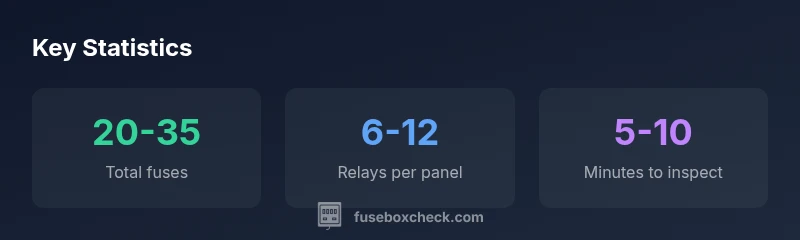
The 2012 Nissan Maxima fuse box diagram identifies two main fuse panels—under-hood and interior—and shows roughly 20-35 fuses and relays across both. It covers key circuits like lighting, ECU, and ABS; always refer to the official diagram for your exact trim. According to FuseBoxCheck, diagrams vary by market and build.
How to read the 2012 Nissan Maxima fuse box diagram
According to FuseBoxCheck, the diagram is organized to help you identify two primary panels and the circuits each protects. The first panel sits in the engine bay (under-hood) and the second is located inside the cabin (often behind the glove box). The diagram uses fuse numbers and amperage ratings to indicate which circuit they protect, along with color codes and pictograms for quick recognition. For DIYers, the key is to cross-reference the exact trim-level diagram, as there can be minor differences by market or option package. A careful scan will reveal fuses for lights, ECU/ECM, charging, and major protection circuits. Always use the official diagram for your trim when performing any work.
Under-hood fuse box layout
The under-hood fuse box in the 2012 Maxima typically houses fuses and relays that control critical vehicle functions like the engine management system, ignition, charging, and major accessories. The lid usually lists mapping for each fuse: fuse number, amperage, function, and sometimes a backup relay location. When removing or replacing a fuse, ensure the ignition is off, the battery is disconnected if required by the procedure, and you replace with a fuse of the exact amperage rating. If a fuse continuously blows, this may indicate a short or an accessory fault rather than a bad fuse itself. In such cases, consult the diagram and a wiring schematic to trace the circuit.
Interior fuse panel layout
The interior fuse panel, commonly behind the glove box, protects several comfort and convenience circuits: illumination, HVAC controls, radio, power windows, and door locks. The diagrams show panel orientation, fuse numbers, and amperage. Removing the panel cover reveals a mapped grid; if a fuse is blown, visually inspect the element or test with a multimeter. Replace only with the same amperage rating and use a fuse type recommended by the manufacturer. If a fuse repeatedly fails, there may be a downstream short or a miswired accessory.
Reading fuse labels and amperage
Fuses are labeled with numbers and amperage values. The label tells you which circuit is protected (e.g., lighting, ECU, ABS), and the amperage indicates current tolerance. Always replace a blown fuse with the same amperage rating. If the label shows a range or multiple functions per fuse, follow the diagram’s guidance for the specific circuit involved. When in doubt, consult the official diagram and a service manual to confirm the correct rating.
Safety steps before replacing fuses
Before touching anything in the fuse panels, turn off the ignition and remove the key. Use insulated tools and wear eye protection when working near the battery and relays. Verify the fuse rating and function from the diagram, and never substitute a higher current fuse to diagnose a problem. Keep a small fuse kit organized by amperage in the glove box for emergencies, and replace blown fuses one at a time to prevent cascading circuit issues.
Common issues and troubleshooting using the diagram
Many electrical problems stem from a blown fuse protecting a malfunctioning circuit. The diagram helps you isolate the likely cause—headlights, HVAC, radio, or ECU. If replacing a fuse resolves the symptom but the fuse blows again, the issue likely lies in a short to ground, a faulty accessory, or a wiring fault. In such cases, consult wiring diagrams and consider professional inspection to avoid electrical damage or safety hazards.
Fuse box layout for 2012 Nissan Maxima
| Panel | Location | Typical Fuses/Relays | Access Hint |
|---|---|---|---|
| Under-hood | Engine bay near strut tower | ECU, ignition, charging, ABS relays | Lift hood, remove cover, twist-lug |
| Interior (glove box area) | Behind glove box | Lighting, HVAC, interior power | Open glove box, detach panel cover |
Your Questions Answered
Where is the fuse box located on a 2012 Nissan Maxima?
There are two panels: an under-hood fuse box near the engine bay and an interior panel behind the glove box. Use the diagram to identify exact positions for your trim.
There are two fuse boxes: under the hood and behind the glove box. Check the diagram for exact locations.
How do I read the fuse box diagram for this model?
Study the panel labels, amperage values, and circuit names. Cross-reference the two diagrams (under-hood and interior) for comprehensive coverage and confirm any trim-specific differences.
Read the labels and amp values, cross-check both panels for your trim.
What amperage fuses are used in the under-hood panel?
Amperage varies by circuit; refer to the diagram for the exact numbers per fuse. Do not substitute without checking the label and manual.
Check the diagram for exact amperage per fuse.
Can I replace a fuse with any random rating?
No. Replacing with a higher rating can cause wiring damage or fire risk. Always use the exact amperage rating shown on the diagram.
Never up-rate a fuse; use the exact amperage.
Is there a digital version of the diagram I can download?
Yes. Official diagrams are available through Nissan service portals and trusted repair resources. Use the latest version for your trim.
Yes, download the official diagram for your trim.
“A clear fuse box diagram reduces diagnostic time and prevents incorrect fuses from causing damage. Always verify against the official diagram for your trim.”
Highlights
- Identify both fuse panels before work
- Match fuse amperage to the label
- Consult the official diagram for your trim
- Keep a spare fuse kit in the glove box
- If a fuse blows repeatedly, seek professional help