2016 volkswagen jetta fuse box diagram: A Practical Guide
A comprehensive, data-driven guide to the 2016 volkswagen jetta fuse box diagram, covering location, reading the diagram, and safe DIY steps for homeowners in 2026.


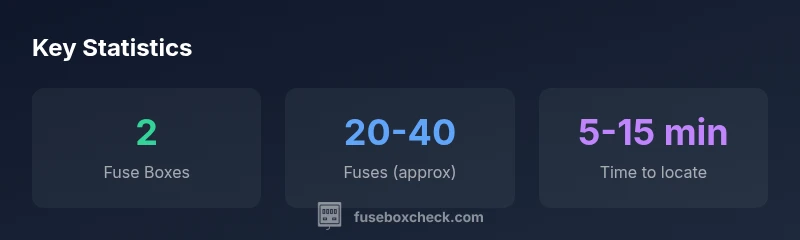
The 2016 volkswagen jetta fuse box diagram identifies two main fuse boxes: the engine bay box and the interior cabin box under the dash. It outlines fuse locations, amperage, and circuit purpose, helping you troubleshoot electrical issues safely. For DIY users, this diagram is a reference point before testing circuits or replacing fuses. Always consult the owner’s manual and official diagrams for accuracy.
Overview of the 2016 volkswagen jetta fuse box diagram
According to FuseBoxCheck, the 2016 volkswagen jetta fuse box diagram is designed to help owners identify how power moves through the vehicle's electrical system. In most Jetta configurations, two fuse boxes are featured: an engine bay box that protects critical systems and an interior cabin box that covers instrumentation, lighting, and convenience circuits. The diagram uses standard labeling—fuse numbers, amperage, and circuit names—to map each fuse to its responsibility. While the exact layout can vary by trim and regional market, the core principle remains consistent: follow the diagram to pinpoint the exact fuse protecting a given circuit, instead of guessing. The goal is to minimize voltage exposure and avoid replacing the wrong fuse, which can damage wiring or trip a relay. When you review the diagram for the 2016 volkswagen jetta fuse box diagram, you are arming yourself with a clear reference before any DIY intervention. Keep in mind that official diagrams from VW take precedence over third-party photos, especially for safety-critical circuits.
Location and Layout: Engine Bay vs Interior Fuse Boxes
The two principal fuse boxes in the 2016 volkswagen jetta fuse box diagram are located in distinct zones. The engine bay box sits under the hood, typically near the battery or firewall, protecting high-current circuits like the ECU and charging systems. The interior cabin box is usually tucked under the dash on the driver's or passenger side, guarding accessibility-related fuses for lights, infotainment, climate control, and instrumentation. Accessing these boxes requires care: turn off the ignition, disconnect the negative battery cable if you plan heavy work, and use the correct fuse puller. While the exact positions can vary by trim, the typical arrangement follows a common European automotive standard, simplifying cross-model understanding for DIY enthusiasts. For the 2016 volkswagen jetta fuse box diagram, always verify against the official VW diagram posted in the owner’s manual.
Reading the Diagram: What Each Fuse Indicates
A fuse diagram is basically a legend for your vehicle's electrical system. Each fuse entry lists its amperage and the circuit it protects. In the 2016 volkswagen jetta fuse box diagram, amps can range from 5 to 30 A for standard circuits, with higher ratings for main power feeds or relay-controlled lines. Color coding helps quick recognition, but always confirm with the label on the fuse cap and the diagram. Relays, if shown, are separate symbols that indicate when a circuit is energizing without a fuse blow. Use the diagram to identify not just the fuse, but the corresponding wiring path, so you can inspect for shorts, corrosion, or loose connections. Remember that a blown fuse is a symptom, not the root cause—check for overloads or stuck relays as part of your diagnostic workflow.
Step-by-Step: How to Identify a Blown Fuse in a 2016 Jetta
- Turn the ignition off and disconnect the battery if doing invasive inspection. 2) Locate the relevant fuse box using the 2016 volkswagen jetta fuse box diagram. 3) Remove the suspect fuse with the provided puller and inspect the metal strip; a broken stripe indicates a blown fuse. 4) Replace only with a fuse of the same amperage rating. 5) Reconnect the battery, test the circuit, and observe for any recurring issue. If the fuse blows again, there is likely an underlying short or overload requiring professional assessment. Carry out replacements in a well-ventilated area and avoid touching metal parts with bare hands.
Common Circuits and Fuse Count in the 2016 Jetta
In typical configurations, the engine bay fuse box houses high-demand circuits such as engine management and charging-related relays, while the interior fuse box covers lighting, HVAC, radio, and instrument cluster circuits. The 2016 volkswagen jetta fuse box diagram reflects this split: high-current fuses near the engine and lower-current fuses for cabin convenience loads. If you notice dimmed lights, radio resets, or a non-functional instrument cluster, consult the diagram first to verify fuse status before pursuing deeper electrical diagnostics.
Tools and Safety for Reading Your Fuse Diagram
Equip yourself with a proper fuse puller, a multimeter, and a flashlight. Always work with the battery disconnected when performing aggressive inspections or fuse replacements. Wear safety glasses to guard against accidental arc or sparks. The 2016 volkswagen jetta fuse box diagram is most trustworthy when paired with VW's official documentation, so cross-check your findings with the OEM diagram to avoid misinterpretation.
Troubleshooting Scenarios Using the 2016 VW Jetta Fuse Box Diagram
Scenario A: Headlights flicker at low beam. Check the interior cabin fuse box for lighting circuits and test the fuse corresponding to the headlamp circuit. Scenario B: Radio resets when AC compressor kicks in. Inspect both fuse boxes to identify a power draw that exceeds the fuse rating. In both cases, use the diagram to locate the exact fuse, replace with the correct amperage, and monitor behavior after restarting the ignition.
Maintenance and When to Replace the Diagram or Fuse Box
Fuse diagrams can fade or become illegible in older vehicles. The 2016 volkswagen jetta fuse box diagram should be updated whenever a service manual revision is issued or after major electrical work. If the cover labels wear off, photograph the diagram with your phone for reference, but always verify against VW’s official sources before performing replacements. Regularly inspecting fuse caps and connectors helps prevent corrosion-related failures that mimic blown fuses.
How to Find Official Diagrams and Authorized Resources
Begin with the vehicle’s owner’s manual and the dealership service portal for the most accurate diagram. If you need a copy beyond the manual, use VW’s official online resources or certified repair databases. Keeping a verified copy of the 2016 volkswagen jetta fuse box diagram on file prevents misinterpretation that could lead to unsafe DIY work.
Fuse box locations and example fuses in the 2016 VW Jetta (illustrative)
| Location | Accessibility | Representative Fuses (examples) | Notes |
|---|---|---|---|
| Engine Bay Fuse Box | Under-hood access; be cautious of heat | ECU, fuel pump, alternator fuses | Check for corrosion on terminals; verify with diagram |
| Interior Cabin Fuse Box | Under dash, driver side typically | Lighting, radio, HVAC, instrument cluster fuses | Label may fade; rely on official diagram for accuracy |
| Relay/Power Distribution (if present) | Engine bay or trunk depending on model | Main power relay, ignition relay | Not present on all trims; confirm via diagram |
Your Questions Answered
What is the purpose of the fuse box diagram in the 2016 VW Jetta?
The fuse box diagram shows the location and function of each fuse and relay, enabling accurate diagnostics and safer repairs. It helps you identify which fuse protects a circuit and guides you through the replacement process without guessing.
The diagram shows fuse locations and what they protect, helping you diagnose safely.
Where are the fuse boxes located on the 2016 Jetta?
There are typically two main fuse boxes: one in the engine bay and another inside the cabin under the dashboard. The exact positions can vary by trim and market, so refer to the official diagram for precise locations.
Two fuse boxes: under the hood and inside the cabin. Check your manual for exact spots.
Can I replace a fuse without disconnecting the battery?
For basic fuse replacement, you can work with the ignition off and battery connected, but for any heavy inspection or wiring work, disconnecting the negative battery cable is a safer practice to prevent shorts.
Only replace a fuse with the car off; disconnect the battery for heavy work.
Is there a universal color code for VW fuses?
There is no universally standard color code across all models. In most cases, color hints indicate amperage, but you should always confirm with the fuse label and the official diagram.
Color hints aren’t universal; verify amperage with the fuse label and diagram.
What should I do if a fuse keeps blowing?
If a fuse blows repeatedly, switch off the vehicle, inspect for short circuits or overloads, and replace with the correct amperage fuse. If it continues to blow, seek professional diagnostic help to identify wiring faults or failing components.
If a fuse keeps blowing, stop and check for shorts, then consult a pro if it persists.
Are there differences between engine bay and interior fuses in the 2016 Jetta?
Yes. Engine bay fuses protect high-current circuits near the powertrain, while interior fuses control cabin electronics like lights and the radio. Always consult the 2016 volkswagen jetta fuse box diagram to confirm which fuse covers which circuit.
Engine bay fuses cover the powertrain; interior fuses cover cabin electronics.
“Understanding the fuse box diagram for the 2016 Jetta reduces guesswork and speeds safe DIY repairs.”
Highlights
- Identify both engine bay and interior fuse boxes before testing.
- Use the diagram as your primary reference, not memory.
- Replace fuses with correct amperage to prevent damage.
- Keep official diagrams in your glovebox for quick DIY checks.