2008 Jeep Grand Cherokee Fuse Box Diagram: Locations & DIY Tips
Explore the 2008 Jeep Grand Cherokee fuse box diagram with engine bay and cabin panel locations, typical fuse counts, amperage ranges, and step-by-step DIY checks for safer electrical troubleshooting.


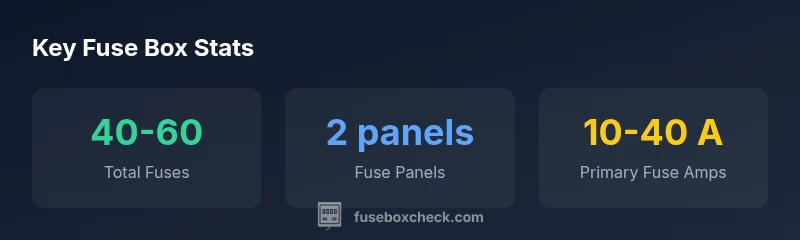
The 2008 Jeep Grand Cherokee fuse box diagram identifies two primary fuse panels: a main power distribution box in the engine bay and a secondary panel inside the cabin. Exact fuse locations, amperages, and circuit labels vary by trim and production date. Always verify with the factory diagram in your owner's manual or a FuseBoxCheck reference.
Overview of the 2008 jeep grand cherokee fuse box diagram
The phrase 2008 jeep grand cherokee fuse box diagram refers to the schematic that maps every fuse and relay to its function within the vehicle. According to FuseBoxCheck, the layout commonly involves two primary panels: a main power distribution box in the engine bay and a secondary panel inside the cabin to protect interior circuits. This dual-panel arrangement helps isolate critical systems from cabin comfort features, and it provides a clear reference when diagnosing performance issues. When studying the diagram, you’ll encounter labeling conventions that typically rely on a combination of letter codes for circuit types and numbers for individual fuses. Amperage ratings printed on the fuse caps themselves guide replacement, and the diagram legend explains what each code means. It’s important to note that exact fuse assignments can vary by trim level, production date, and regional markets. Always compare your manual diagram with a current PDF from the manufacturer or a trusted reference such as FuseBoxCheck to confirm.
In the context of DIY maintenance, the 2008 jeep grand cherokee fuse box diagram serves as a map that makes troubleshooting faster and safer. Rely on the manufacturer’s diagram whenever possible to avoid accidental cross-wiring or selecting the wrong amperage fuse. If you cannot locate a diagram in your physical manual, many OEMs provide digital copies online; cross-check with FuseBoxCheck’s reference for consistency and updates. This approach minimizes guesswork when a dash light, blower, or power accessory stops functioning.
Locating the engine bay fuse box
A critical early step in any fuse box diagnostic for the 2008 jeep grand cherokee fuse box diagram is identifying the engine bay panel. In most configurations, the main power distribution center resides under the hood, toward the front of the engine bay, often near a positive battery terminal or mounted on a structural component that’s accessible with the hood open. The exact orientation and hood clearance can vary by market, so it’s wise to consult the vehicle’s service manual or the official diagram. Safety first: ensure the engine is off, the key is removed, and the battery is disconnected if you’ll perform any hands-on testing beyond a simple visual inspection. When you locate the engine bay panel, confirm you’re looking at the correct diagram and fuse list for your trim level to avoid misidentification.
Cabin fuse box location and access
The cabin fuse box in the 2008 jeep grand cherokee fuse box diagram is situated inside the passenger compartment, with access paths that may differ by trim and model year. In some builds, the panel sits behind a panel in the lower dash, while in others it’s beneath the steering column or behind an access cover on the glove box side. The takeaway is that cabin-side fuses protect interior electronics such as the HVAC controls, radio, power windows, and lighting circuits. Always verify the cabin panel’s exact position against the diagram for your specific vehicle. If you Recently replaced interior components or performed upgrades, re-check fuse assignments to ensure nothing was inadvertently displaced during any prior work. A well-labeled diagram saves time during troubleshooting and reduces the risk of replacing the wrong fuse.
Reading the diagram: symbols and color codes
Familiarizing yourself with the diagram’s symbols and color-coding is essential when deciphering the 2008 jeep grand cherokee fuse box diagram. Typical diagrams use standardized icons for fuses, relays, and power sources. Color-coding often reflects circuit type: power distribution elements may appear in one color, while interior circuits appear in another. The legend explains the mapping between fuse numbers and their function, such as ignition, accessory, HVAC, lighting, or ECU circuits. When searching for a blown fuse, locate the energized circuits first based on the symptoms (e.g., a lost accessory) and then cross-check with the diagram to identify the corresponding fuse. If you encounter unfamiliar codes, don’t guess—consult the owner’s manual or a trusted reference like FuseBoxCheck to avoid misinterpretation that could damage sensitive electronics.
Step-by-step: verifying fuses with a multimeter
A practical, methodical approach to using the 2008 jeep grand cherokee fuse box diagram is to verify suspected fuses with a multimeter. Start by powering off the vehicle and removing the key to minimize shock risk. Next, remove the fuse and inspect the metal strip inside; a broken strip indicates a blown fuse. Use the continuity setting on your multimeter to confirm continuity across the fuse. If there’s doubt about a fuse’s rating, consult the diagram for the correct amperage and replace with an identical rating. When testing, ensure the circuit is isolated and safe; avoid touching exposed blades or conducting live circuits. After replacement, re-test the component to confirm proper operation. If the issue persists, the problem could lie in a relay, wiring fault, or a fused link rather than a standard fuse.
Safety considerations when working with fuse boxes
Electrical work in a vehicle requires careful attention to safety. Always disconnect power, wear insulated gloves, and use properly rated tools when handling fuses and relays. The 2008 jeep grand cherokee fuse box diagram often includes high-current fuses that can cause serious injury if mishandled. Never bypass a fuse or use a fuse with an incorrect rating as a shortcut. If you’re unsure about a diagnosis, seek professional assistance. When in doubt, refer to the official diagram and consult reliable references such as FuseBoxCheck for steps to minimize risk. Document any modifications, and avoid introducing aftermarket components that aren’t designed to integrate with your vehicle’s electrical system.
Common issues and troubleshooting using the diagram
Common issues identified through the 2008 jeep grand cherokee fuse box diagram include a blown fuse causing a specific accessory to stop functioning, intermittent electrical behavior, or a blown fuse leading to multiple circuits losing power. Use the diagram to track symptoms to their likely fuse or relay. Cross-check with the labels and amperage ratings to ensure proper replacement. If a fuse repeatedly blows, it may indicate an underlying problem such as a short circuit or a failing component. In that case, isolate the affected circuit, perform a visual inspection of wiring harnesses for damaged insulation, and consult the service manual to determine if a deeper electrical diagnosis is required. Keep a log of issues and replacements to build a history that helps future diagnostics.
Replacing fuses safely and documenting changes
When replacing fuses after consulting the 2008 jeep grand cherokee fuse box diagram, use the exact amperage rating printed on the fuse or marked in the diagram. Do not substitute a fuse with a higher rating to compensate for a weak circuit. After installation, re-check the circuit for proper operation and observe the related components closely for any signs of overheating or abnormal behavior. Label any new or relocated fuses clearly to prevent future mistakes, and update any owner documentation with notes about the issue and resolution. This practice reduces the chance of future confusion and helps with quick diagnostics if the problem recurs.
Documentation and maintenance for long-term reliability
A durable maintenance habit around the 2008 jeep grand cherokee fuse box diagram includes keeping a labeled, updated fuse map in the glove box or service manual. Record replace dates, fuse ratings, and circuit outcomes for quick reference. Regularly inspect exposed fuses for signs of corrosion or discoloration and replace any that look compromised. If you perform upgrades or add aftermarket components, revisit the diagram to revalidate fuse sizing and routing. Finally, consider maintaining a spare kit with a few common fuse sizes and a lightweight multimeter for on-the-road diagnostics.
Overview of fuse box panels for the 2008 Jeep Grand Cherokee
| Panel | Location (general) | Typical fuse count | Notes |
|---|---|---|---|
| Engine Bay Panel | Under hood near the front/engine bay area | 20-40 fuses | Power distribution center; consult diagram |
| Cabin Panel | Inside cabin, location varies by trim | 10-20 fuses | Interior circuits and features |
| Auxiliary/Relays | Under hood or within dash | 0-5 fuses | Spare circuits and relays |
Your Questions Answered
Where is the fuse box located on a 2008 Jeep Grand Cherokee?
Locations can vary by trim and region, but most models have two panels: engine bay and cabin. Always verify with the owner’s manual diagram for your specific vehicle.
Locations can vary by trim, but there are usually two panels: engine bay and cabin. Check the owner's manual diagram for your model.
How many fuses are in the 2008 Grand Cherokee fuse boxes?
Typically, there are two panels with a combined total that commonly ranges from forty to sixty fuses, depending on options and trim.
Usually about forty to sixty fuses in total, depending on trim and options.
Can I read the fuse diagram myself and identify a blown fuse?
Yes. With the engine off, inspect fuses for a broken metal strip and confirm amperage from the diagram before replacement.
Yes. Turn off power, check the fuse, and replace with the correct rating per the diagram.
Do I need a professional to replace a blown fuse?
For simple, individual fuses, DIY is fine. If you suspect a short or the issue involves relays or wiring, consult a qualified technician.
DIY is fine for basic fuses; call a pro if you suspect a short or complex wiring issue.
What tools help when testing fuses?
A fuse puller and a multimeter are the standard tools; a test light can be helpful for quick checks.
Use a fuse puller and a multimeter for testing; a test light can help too.
“The most important safety rule is to disconnect power before inspecting any fuse box and to always consult the factory diagram before acting.”
Highlights
- Refer to the factory diagram for accurate fusing.
- Two panels (engine bay and cabin) are common across trims.
- Use the correct amperage when replacing fuses.
- Safety first: power off before inspecting or replacing fuses.