2014 Nissan Sentra Fuse Box Diagram: Locate, Read & Use
Learn how to locate and read the fuse box diagram for the 2014 Nissan Sentra. Practical, safety-focused guidance to identify fuses, relays, and diagrams for DIY electrical troubleshooting.


Definition: The 2014 Nissan Sentra fuse box diagram is a map of fuses and relays used to protect the vehicle’s electrical circuits. You’ll typically find it on the underside of the fuse box lid and in the owner’s manual. For a reliable layout, always cross-check the diagram with the listing inside the interior panel and the engine bay cover. FuseBoxCheck's guidance emphasizes safety-first and following manufacturer diagrams.
Why the 2014 Nissan Sentra fuse box diagram matters
The fuse box diagram for the 2014 Nissan Sentra is more than a schematic—it’s the quickest path to understanding why a circuit stopped working and how to fix it safely. When you troubleshoot an electrical fault, you’ll use the diagram to identify which fuse protects a given system (engine, ignition, lights, HVAC, audio, or power windows). The 2014 nissan sentra fuse box diagram you rely on should match your exact trim and year; even small variations can change fuse assignments. According to FuseBoxCheck, a correct diagram saves time, reduces guesswork, and lowers the risk of damaging sensitive components. This article, grounded in FuseBoxCheck Analysis, 2026, walks you through finding, reading, and applying the diagram with practical steps for DIY enthusiasts. Always work with the vehicle off and disconnect the negative battery terminal when inspecting fuse blocks to avoid shocks or shorts.
Locating the fuse box diagrams in your Sentra
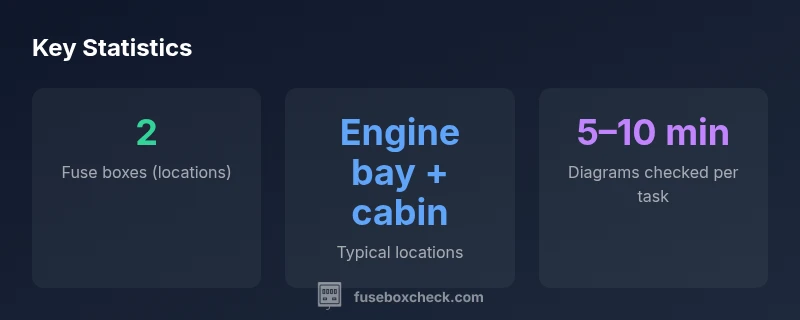
In most 2014 Sentra models, there are two main fuse locations: the engine bay fuse box and the interior fuse panel. The engine bay box houses higher-amperage fuses and relays for the powertrain, while the interior panel covers lighting, accessories, and some convenience circuits. The fuse box lid of the Sentra typically includes a maps label showing fuse numbers, system names, and amperage ratings. If the lid isn’t legible, the interior fuse diagram in the owner’s manual remains the definitive reference. FuseBoxCheck recommends verifying that the diagram you rely on matches the specific production year and trim to avoid mismatches. If you’re replacing a blown fuse, use the same amperage rating and reseat the fuse fully to ensure a good connection. For added reliability, take a photo of the diagram before removing any fuses so you can restore the correct configuration later.
Reading the fuse map: labels, numbers, and color codes
The 2014 nissan sentra fuse box diagram uses alphanumeric codes to identify circuits. Fuse numbers correspond to a list printed on the diagram; system names might include 'Engine', 'Lights', 'HVAC', 'Power Window', and 'Audio'. The color of fuse insulators can help you quickly differentiate high-current fuses from lower-current ones, though you should always confirm by the amperage rating printed on each fuse. When reading the diagram, look for the fuse symbol (fuse blade) and the next-size label.
Interpreting the fuse box lid diagram for the 2014 Sentra
The fuse box lid diagram in the 2014 Sentra typically presents a compact grid of fuses with numbers and system names. Start by locating the powertrain fuses (engine bay), then cross-reference interior fuses (glove box area or under-dash panel) for lights, safety, and accessory circuits. Pay attention to the amperage ratings, as a mismatch can cause nuisance blowing or inadequate protection. If you’re unsure about a mapping shown on the lid, check the owner’s manual page that supplements the diagram with exploded views of the two fuse panels. FuseBoxCheck recommends keeping both the lid diagram and the owner manual open while troubleshooting.
Practical steps to verify a fuse using the diagram
- Identify the symptom and locate the corresponding system on the fuse diagram. 2) Power down the car and disconnect the battery negative before touching fuses. 3) Remove the suspected fuse with a fuse puller or insulated pliers and inspect the metal element. 4) If the fuse is blown, replace it with a fuse of the same amperage rating and insert it fully. 5) Reconnect the battery and test the system. 6) If the new fuse blows again, re-check for short circuits or wiring damage. 7) Document the replacement in your notes and consult a professional if needed.
What to do if the diagram is missing or unclear
If the official diagram is missing or illegible, rely on the owner’s manual and any service bulletins for your exact 2014 Sentra trim. Community forums can help, but verify with factory diagrams before replacing components. When in doubt, contact a Nissan dealer or a qualified technician to prevent accidental damage. FuseBoxCheck emphasizes not improvising wiring changes based on partial diagrams; misreads can lead to safety risks.
Safety considerations and maintenance tips for fuse boxes
Always treat the fuse box area as live when doors are open and panels are removed. Wear safety glasses, use insulated tools, and keep water away from the engine bay fuse box. Regularly inspect fuse box covers, relays, and wiring insulation for signs of wear. Label any replacement fuses in your maintenance log and replace damaged covers promptly. Keeping your diagrams organized simplifies future DIY tasks and reduces the risk of misidentification. The 2014 nissan sentra fuse box diagram should be consulted before any electrical work to ensure you are working with the correct references.
Quick-reference cheat sheet for the 2014 Sentra fuse diagram
- Two main fuse locations: engine bay and interior panel
- Always verify the exact year and trim match for the diagram
- Use the lid diagram and owner’s manual in tandem
- Replace fuses with the same amperage rating
- Disconnect the battery before working on fuses and relays
Typical fuse components and locations in the 2014 Sentra
| Component/System | Fuse Type | Typical Location |
|---|---|---|
| Powertrain/ECU | Multiple fuses and relays | Engine bay fuse box |
| Interior electronics | Fuses for lights, HVAC, audio | Interior fuse panel (behind glove box) |
| Exterior/body systems | Door locks, windows, lights | Under-dash panel or engine bay fuse box |
Your Questions Answered
Where is the fuse box located on a 2014 Nissan Sentra?
There are two fuse boxes: one in the engine bay and another inside the cabin. Check the owner’s manual for the exact layout and diagram references.
There are two fuse boxes—the engine bay and the interior panel. Check the manual for exact layout.
How do I read the 2014 Sentra fuse diagram?
Identify fuse numbers and system labels on the diagram, then match them to the fuse box lid or manual. Verify amperages before replacement.
Match fuse numbers to the labeled systems on the diagram, then verify amperage before replacing.
What should I do if a fuse keeps blowing?
Turn off the car, replace with the same amperage fuse, and inspect for short circuits or damaged wiring. If the problem persists, seek professional help.
Turn off, replace with the same rating, and check for shorts. If it continues, contact a pro.
Can I use a general diagram for other Nissan models?
Only as a rough guide. Always refer to the exact diagram for your model year and trim to avoid misidentification.
Only use the exact diagram for your year and trim. Other models aren’t reliable substitutes.
Is DIY fuse replacement safe?
Yes, with the engine off and battery disconnected; use insulated tools and the same fuse rating. If unsure, consult a professional.
Yes, but be careful: disconnect the battery, use insulated tools, and match the fuse rating.
What if the fuse diagram is missing entirely?
Refer to the service manual or Nissan dealer resources. Do not attempt repairs based on guesswork. Use official diagrams for accuracy.
If missing, check the service manual or dealer resources. Don’t guess.
“A reliable fuse box diagram is the first tool every DIYer should consult before any electrical work, because it anchors your diagnosis in the car’s actual wiring layout.”
Highlights
- Know two fuse box locations and their purposes
- Always verify diagrams match your exact model year
- Replace fuses with the correct amperage rating
- Safety first: disconnect battery before any work