2015 GMC Yukon Fuse Box Diagram: Wiring & Fuses Explained
Learn to read the 2015 GMC Yukon fuse box diagram, identify engine bay and interior fuses, and safely troubleshoot electrical issues with clear labeling, step-by-step guidance, and practical safety tips from FuseBoxCheck.


The 2015 GMC Yukon fuse box diagram is spread across two panels: the engine bay fuse box and the interior cabin fuse box. The diagram labels fuses, relays, and circuit names to help you diagnose electrical issues safely. Before inspecting, switch off the ignition, remove the key, and use insulated tools; FuseBoxCheck analysis confirms diagrams reduce misidentification by guiding visual checks.
Understanding the 2015 GMC Yukon fuse box diagram
The fuse box diagram for the 2015 GMC Yukon is more than a label sheet; it is a map of electrical circuits that power essential vehicle functions. When seeking the 2015 GMC Yukon fuse box diagram, homeowners should understand that there are two primary panels: the engine bay fuse box and the interior (cabin) fuse box. Each panel houses a set of fuses and relays that control different subsystems such as the powertrain, HVAC, lighting, and convenience features. A properly read diagram helps you identify which fuse protects a given circuit, reduces the risk of accidentally replacing the wrong fuse, and guides safe troubleshooting. The FuseBoxCheck team has found that diagrams with clear labeling, color coding, and a short legend are easier to use in real-world DIY scenarios. In this article, we’ll break down the layout, how to read the symbols, and practical steps to locate and verify fuses in your Yukon.
Vehicle-specific layout: engine bay vs interior panel
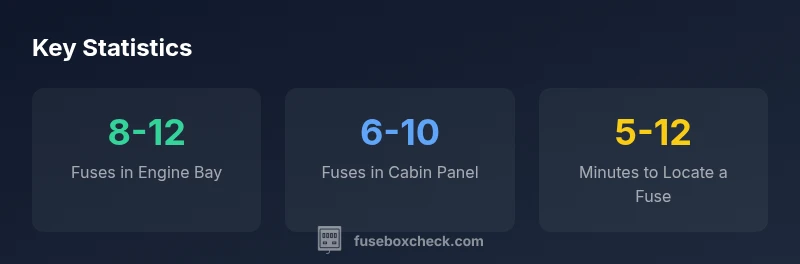
In most Yukon models, the engine bay fuse box sits under the hood and contains powertrain-related fuses and relays, while the interior cabin panel is located inside the passenger compartment near the glove box or under dash. The engine bay panel typically hosts fuses for critical systems such as ignition and ABS, while the cabin panel powers interior electronics like HVAC, lights, and the BCM. Depending on trim and optional equipment, the exact fuse counts can shift, but the overall layout remains two-panel. The diagrams on the cover or in the owner’s manual are designed to map each fuse to a circuit, with the amperage and position clearly indicated.
Reading the diagram: fuse types, relays, and color codes
Most GMC Yukon models use blade fuses in both panels, with amperage ratings printed on the fuse caps. The diagrams label each fuse by its amperage and circuit name (for example, IGN, PWR, ACC). Relays are also shown, indicating which circuits depend on a controlled switch rather than a fuse. Color coding on some diagrams helps differentiate high-power circuits from auxiliary ones. When you see a label like ‘IG1’ or ‘HAL’, refer to the legend on the cover to match it to the destination circuit. Always check the schematic alongside the physical fuse box cover to confirm the orientation and labeling.
Step-by-step lookup: how to identify the right fuse
- Park safely and turn off the engine; remove the key. 2) Open both fuse panel covers and locate the label. 3) Cross-reference the label with the diagram to find the exact fuse position. 4) If the fuse looks blown, remove it with a fuse puller and visually inspect the filament. 5) Replace with a fuse of the same amperage rating; never exceed it. 6) Reconnect and test the affected system. 7) If a fuse blows repeatedly, there may be an underlying electrical fault requiring professional service.
Practical examples: common issues and matching fuses
Common issues like a non-working horn, headlights, or HVAC can often be traced to the cabin panel, while idle or stalling issues may point to engine bay fuses. For each symptom, locate the corresponding circuit on the diagram and inspect the associated fuse first. If the fuse is blown, replace it with the same amperage; if it blows again, check for shorts, loose wiring, or a component drawing excess current. The diagram helps you quickly distinguish between a simple fuse problem and a deeper electrical fault.
Safety considerations when inspecting the fuse box
Always work with the ignition off and the battery disconnected when performing deeper electrical checks, especially when removing relays or wiring. Wear non-conductive gloves and avoid metal jewelry that could short circuits. Use a fuse puller or insulated pliers. Never bypass a fuse or use a higher-amperage fuse to compensate for a failing component. If you’re unsure, consult the owner’s manual or contact a qualified technician.
Resources and official references
For the most accurate Yukon fuse box diagram and fuse mapping, consult the GMC owner’s manual and GM service information. The diagram is your reference for fuse positions, amperages, and circuit names. Official sources ensure you have the correct diagram for your trim and production year. FuseBoxCheck emphasizes cross-checking the diagram with the labels on the fuses themselves to avoid misidentification.
Two-panel layout: engine bay and cabin fuse boxes with typical fuse groupings
| Fuse Box Area | Common Fuses (examples) | Notes |
|---|---|---|
| Engine Bay | Powertrain, Ignition, ABS | Under hood; consult label on cover |
| Cabin Panel | Body Control Module, HVAC, Lights | Passenger area; near glove box/under dash |
| Trailer/Accessory | Tow, Cruise, Accessory relays | Only present on some trims |
Your Questions Answered
Where is the fuse box located on the 2015 GMC Yukon?
The Yukon uses two fuse panels: an engine bay box under the hood and an interior cabin box inside the passenger area. The exact positions are shown on the diagram on each panel cover. Always consult the owner’s manual if you’re unsure.
The Yukon has two fuse panels: under the hood and inside the cabin. Check the covers for the diagram and label.
How many fuses are there in the 2015 Yukon fuse box diagrams?
There are roughly 14-20 fuses across both panels, depending on trim level and optional equipment. Use the diagram and the cover labels to confirm the exact count for your vehicle.
There are about 14 to 20 fuses in total, depending on options.
What does a specific fuse power in the Yukon?
Fuse diagrams label each fuse with a circuit name or abbreviation such as IGN, PWR, or BCM. Use the diagram legend to map the fuse to its function.
Fuses map to circuits like ignition, power, or the BCM.
Can I replace fuses myself in the Yukon?
Yes, with the ignition off and using the correct amperage rating. If a fuse keeps blowing, this may indicate a short or a faulty component, and you should seek professional service.
Yes, with safety steps, but seek help if the fuse keeps blowing.
Where can I find an official diagram for my Yukon?
Refer to the GMC owner’s manual and GM service information for the official fuse box diagram. Cross-check the diagram with the fuse labels on the caps to ensure accuracy.
Check the owner’s manual and GM service information for the official diagram.
“A clear fuse box diagram is the first line of defense for safe DIY electrical work on a modern vehicle.”
Highlights
- Read the two-panel Yukon diagram before testing circuits
- Match amperage ratings exactly when replacing fuses
- Cross-check labels on fuses with the diagram to avoid misidentification
- If a fuse repeatedly blows, seek professional diagnosis