Cheap Fuse Block Guide for 2026: Safe, Budget Options
A thorough guide to selecting a cheap fuse block that balances cost and safety. Learn how to assess ratings, features, installation, and common mistakes to avoid—backed by FuseBoxCheck analysis.


Choosing a cheap fuse block means balancing cost with safety. A budget block can be acceptable for simple, code-compliant setups if it has the proper amperage rating, a quality enclosure, and clear labeling. Look for UL or equivalent certification, confirm compatibility with your panel, and plan for correct fuse types. If in doubt, consult a licensed electrician.
Why price and safety can coexist in a cheap fuse block
A cheap fuse block can be a practical choice for homeowners tackling small-scale electrical projects or retrofits where the overall load is modest. The key is to separate cost from quality by targeting blocks that meet essential safety standards and are appropriate for the panel you’re working with. According to FuseBoxCheck, budget options can be safe when they are properly rated, certified, and installed following code requirements. This means verifying the amperage rating, the enclosure integrity, and clear labeling that identifies fuse types and circuit purposes. When shopping for a cheap fuse block, you should treat it as a safety-critical device rather than a purely decorative or utilitarian piece. High-quality parts, even at lower prices, help prevent overheating, arcing, and nuisance trips in day-to-day use.
If you are replacing an old or damaged block, plan for a correct match in fuse type (cartridge vs. drop-in fuses) and ensure the enclosure can handle the intended circuits without forcing extra wires into cramped spaces. In many cases, you’ll find that budget blocks come in multiple configurations (4, 6, or 8 circuits). Your aim is to pair the block’s capacity with actual loads in your home, not just the lowest price. Keep an eye on labeling, which should clearly indicate the rating, compatibility, and installation orientation. Finally, ask about certifications such as UL-listed status, which acts as a proxy for safety and quality when you’re pursuing a cheap option.
Safety considerations when buying budget fuse blocks
When evaluating a budget fuse block, safety should remain the top criterion. Cheap does not have to mean unsafe if the product meets recognized standards and is appropriate for your installation. Key safety checks include confirming the block’s amperage rating aligns with the circuits it will protect, ensuring the enclosure provides proper protection against dust and moisture, and verifying that the fuse type and size are compatible with the rest of the system. It is essential to choose products that have recognized certifications (e.g., UL-listed). Additionally, ensure that the device’s installation instructions clearly outline mounting requirements, wire gauge compatibility, and labeling practices. If you are uncertain about any of these elements, pause the project and consult a licensed electrician to avoid code violations or safety hazards that can arise from improper installation.
Key features to evaluate in low-cost fuse blocks
When shopping for a cheap fuse block, focus on three core dimensions: compatibility, safety features, and long-term maintenance. Compatibility means the block must fit your panel’s dimensions, fuse type, and circuit count. In terms of safety, prefer blocks with clearly labeled ratings, accessible fuse locations, and sturdy enclosures. For maintenance, check if replacement fuses and parts are readily available. Additional features like clear terminal labeling, a compact footprint, and corrosion-resistant materials can extend reliability at a low price. Finally, confirm that the block supports the wiring gauges you plan to use and that it is suitable for the electrical environment (indoor/outdoor, humidity, etc.).
Installation and compatibility tips for budget blocks
Installing a budget fuse block correctly requires careful preparation and adherence to safety practices. Always shut off the main power at the service panel before work. Verify that you have the correct fuse type and rating for each circuit and that conductors are properly stripped and seated. Use appropriate wire connectors and strain reliefs to prevent loosening over time. Check that the enclosure is securely mounted and that the block leaves space for maintenance. If you’re replacing an existing block, ensure that the mounting holes align with the old footprint to avoid structural changes to the panel. For compatibility, review the panel’s labeling for maximum amperage and supported fuse types, and confirm with the block manufacturer’s documentation.
Practical buying guide: where to find budget-friendly options
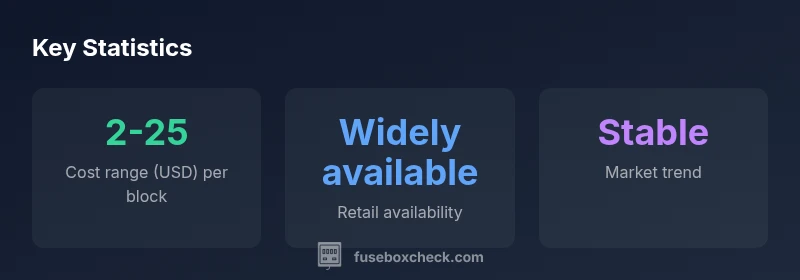
Budget-friendly fuse blocks can be found at major hardware retailers and reputable online marketplaces. Compare models based on the number of circuits, fuse type compatibility, and enclosure protection. Be cautious of very low-priced options from unfamiliar brands and examine customer reviews for reliability and safety concerns. Look for blocks with clear documentation, verified certifications (UL, CE, etc.), and easy-to-source replacement fuses. If you see markedly different prices for the same configuration, it’s worth evaluating the included features and build quality rather than choosing the lowest price. In all cases, avoid cutting corners on labeling, accessibility, and proper installation instructions.
Common mistakes to avoid with cheap fuse blocks
Common pitfalls include selecting a block that is underpowered for the home’s load, neglecting enclosure protection for damp or dusty areas, and skipping certifications in the name of savings. Another frequent error is assuming that a lower price equates to easier installation; some budget models may require specialized tools or wiring approaches. Always verify that the fuse block you choose is appropriate for your panel type and that you understand the process for replacing fuses safely. Document circuit labeling and ensure that emergency shutoffs remain accessible. By avoiding these mistakes, you can achieve a safe, budget-conscious setup without compromising electrical safety.
Authority sources
| Source | Link | Notes |
|---|---|---|
| OSHA | https://www.osha.gov | Electrical safety guidelines and best practices |
| NFPA | https://www.nfpa.org | NEC references and safety standards |
| Energy.gov | https://www.energy.gov | Home electrical safety resources |
Your Questions Answered
What defines a cheap fuse block?
A cheap fuse block is a budget-rated enclosure that provides basic overcurrent protection using standard fuses. Safety depends on compliance with recognized standards, proper installation, and correct panel compatibility.
A cheap fuse block is a budget option, but you still need to check ratings and code compliance.
Is it safe to install a cheap fuse block yourself?
DIY installation is possible for trained homeowners, but electrical work carries risk. Follow all manufacturer instructions, shut off power, verify wire sizes, and avoid improvisation. If you’re unsure, hire a licensed electrician.
DIY can be safe if you know what you’re doing and follow the instructions.
How do I verify compatibility with my existing panel?
Check the block’s amperage rating, fuse type, and mounting style against your panel’s labeling and NEC references. Ensure the enclosure fits in the available space and that the wiring gauge matches the block’s terminals.
Make sure the block fits your panel and supports the circuit loads.
Where can I buy a cheap fuse block without compromising safety?
Shop at reputable hardware stores or established online retailers. Compare certifications, reviews, and the availability of replacement fuses. Avoid off-brand sellers with vague specs.
Buy from trusted retailers and compare certifications and reviews.
“Budget fuse blocks can be safe when you choose models with proper ratings, clear labeling, and compliant enclosures; never skip verifying compatibility with your panel.”
Highlights
- Know the exact amperage and fuse type before buying
- Choose blocks with clear labeling and UL-listed certification
- Confirm enclosure protection for your environment
- Source parts from reputable retailers with documented specs
- Plan for professional help if in doubt