e46 fuses: A Practical Guide to Fuse Box Safety and Replacement
Learn to locate, inspect, test, and replace e46 fuses safely. This step-by-step guide covers fuse maps, common circuits, troubleshooting, and maintenance to keep your BMW’s electrical system reliable.


By the end of this guide you will locate the fuse boxes on an E46, identify the fuse types, inspect for damage, test with a multimeter, and replace blown fuses with the correct amperage. You’ll also learn how to map circuits, avoid common mistakes, and maintain fuse box safety during DIY repairs.
What the e46 fuses protect and why they matter
In a BMW E46, fuses are the first line of defense for your electrical system. They protect wiring and devices from shorts, overloads, and moisture damage by interrupting circuit current when a fault occurs. Understanding the role of fuses helps you diagnose issues without risking more extensive damage. According to FuseBoxCheck, a methodical approach to identifying the correct fuse and replacing it with the proper rating reduces risk and improves reliability for the e46 fuses you rely on daily. This section lays the groundwork for safe troubleshooting and emphasizes the importance of using the exact fuse type for each circuit. You’ll learn how to read the fuse map, locate the panels, and recognize which circuits are tied to lights, wipers, HVAC, and the instrument cluster.
Where the fuse boxes live on an E46 and how to access them
The BMW E46 typically has two fuse panels: one under the hood near the battery and another inside the cabin behind a panel on the driver’s side or the glove box area. Access requires a basic flashlight, a small screwdriver or plastic pry tool, and a clean surface to lay out fuses. When you open each panel, note the cover diagrams and any labeling that matches your vehicle’s VIN year. The dual-panel setup helps isolate high-current circuits from interior electronics, making diagnostics safer and more efficient. Always disconnect the battery before handling any fuse box components to minimize shock risk and prevent accidental short circuits.
How to read the fuse map and identify the correct fuses
Fuse maps use alphanumeric labels or color-coded diagrams to indicate each circuit’s purpose. Start by locating the diagram on the fuse cover, then cross-check with the vehicle’s manual. Look for labels like lighting, relays, or ABS to guide your inspection. Visually inspect every fuse for a broken filament or a darkened appearance. If you’re unsure about a label, refer to the consistent sections across fuse boxes; some circuits are repeated between panels for redundancy. Remember: only replace with fuses of the same size and amperage as specified by the diagram.
Common symptoms that hint at fuse or circuit issues
Flickering headlights, blown interior lights, or electronics that suddenly stop working are typical signs of a blown fuse. If none of the related devices work but the fuse appears intact, you may be dealing with a relay issue, a corroded connection, or a blown fuse in a separate circuit. In the e46 fuses context, many problems originate from moisture, corrosion at terminal contacts, or a loose fuse holder. A careful visual check combined with a continuity test will help you confirm the fault without guessing.
Tools and safety you need before you start
Before touching any fuse, gather the right tools: a fuse puller (or needle-nose pliers), a multimeter, the vehicle’s fuse diagram, spare fuses of the correct ratings, appropriate gloves, and a flashlight. Working with vehicle electrics carries shock and fire risks; always turn off the ignition, remove the key, and unplug power from the battery ground when feasible. Keep a non-conductive surface to place fuses and avoid wearing metallic jewelry. This preparation reduces risk and helps you work more efficiently on the e46 fuses project.
A practical fault-finding workflow you can follow
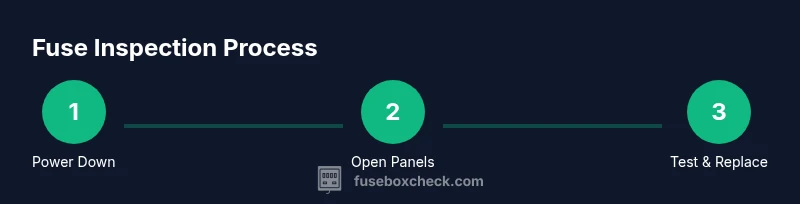
A structured approach reduces guesswork: (1) Power down and locate both fuse panels; (2) Inspect visually and test using a multimeter in continuity mode; (3) Identify suspect fuses and confirm by testing the related circuit; (4) Replace only with the correct amperage and type; (5) Re-seat fuses firmly and re-test the system. Keep notes as you go so you can reproduce results or share findings with a professional if needed. This method minimizes damage and accelerates repairs for e46 fuses.
Replacing a blown fuse correctly and safely
Replace only with the same amperage and fuse type as the diagram specifies. Remove the old fuse, inspect the holder for corrosion, and gently insert the new fuse until it seats fully. After replacement, re-test the circuit to confirm operation. If a fuse repeatedly blows, the underlying cause may be a short or overload that requires further inspection of wiring, connectors, or a faulty relay. Do not bypass fuses or install a higher-rated fuse to ‘fix’ the problem.
When to seek professional help for e46 fuse issues
If you’re unsure about the fuse map, encounter signs of corrosion, or experience repeated fuse failures after replacement, it’s wise to consult a qualified automotive electrician. Complex symptoms—like intermittent power to the instrument cluster or ABS-related electronics—may indicate deeper electrical faults. A professional assessment helps prevent electrical fires and protects critical BMW systems.
Maintenance and preventive care for e46 fuses
Regular checks of fuse boxes, clean connections, and protective covers can extend the life of your e46 fuses. Periodically inspect for moisture ingress, corrosion, or loose terminals. Keeping spare fuses on hand and labeling circuits can save time during future work. Implementing a routine inspection encourages early detection of wiring issues and helps you maintain reliability in your BMW’s electrical system.
Common mistakes and how to avoid them
Do not mix fuse ratings or replace fuses without verifying the correct amperage. Avoid using metal objects to retrieve or test fuses in tight spaces, which can cause shorts. Never work on live circuits; always disconnect power when possible. By following the fuse map accurately and using the right tools, you reduce the risk of damaging other components and improve safety during the e46 fuses maintenance process.
Tools & Materials
- Assorted automotive fuses (various amperages)(Carry standard sizes used by BMWs; keep spares of common ratings (e.g., 5A, 7.5A, 10A, 15A) in a labeled kit)
- Fuse puller / needle-nose pliers(Plastic fuse puller if available; avoids damaging fuse holders)
- Digital multimeter(Mode: continuity or resistance to test fuses and circuits)
- BMW fuse diagram/manual(Follows the vehicle’s VIN year; helps match amperage and circuit labels)
- Protective gloves(Non-slip grip and protection when handling metal parts)
- Flashlight / headlamp(Bright, focused light to clearly inspect fuse holders)
- Small insulated screwdriver or pry tool(Helpful for wiggling fuses in tight spaces without damage)
Steps
Estimated time: 60-90 minutes
- 1
Power down and prepare
Turn off the ignition, remove the key, and disconnect the battery negative terminal if accessible. Clear the workspace and lay out all tools and fuses so you can access the fuse panels safely.
Tip: Label the fuse you remove and its circuit to prevent mix-ups later. - 2
Open fuse panels and locate the diagram
Remove fuse panel covers and study the diagram to identify which fuse controls the suspected circuit. Use a flashlight to brighten the area and cross-check with the owner’s manual.
Tip: If a diagram is missing, photograph the fuse map before removing anything. - 3
Inspect fuses visually
Look for a broken filament or a darkened fuse. Some fuses may look fine yet be open; in that case, test with a multimeter for continuity.
Tip: Even if a fuse looks intact, test it to be sure before replacing. - 4
Remove suspected fuse
Carefully extract the fuse using the puller or insulated pliers. Inspect the holder for corrosion or damage before returning a fuse.
Tip: Do not force fuses out of tight holders; wiggle gently if needed. - 5
Test the circuit with a new fuse
Install a fuse of the same amperage rating and verify that the linked component or circuit operates normally. Re-seat firmly and avoid bending the fuse pin.
Tip: Keep a quick reference of the exact amperage for each circuit. - 6
Re-test all affected systems
Power up the vehicle and test the function tied to the replaced fuse. Check for intermittent behavior or repeated failures.
Tip: If the fuse blows again, document symptoms and stop to avoid further damage. - 7
Check for underlying causes
Inspect wiring harnesses, connectors, and nearby relays for corrosion, moisture, or loose connections that could cause recurrent fuse failures.
Tip: Moisture seals and gaskets should be clean and intact to prevent future issues. - 8
Secure and finish
Replace all fuse panel covers, reconnect the battery if you disconnected it, and ensure everything is secured before test driving.
Tip: Document the work and note any parts replaced or observed anomalies.
Your Questions Answered
Where are the E46 fuse boxes located?
The E46 uses two fuse boxes: one under the hood near the battery and another inside the cabin, typically behind a side panel or glove box. Always refer to your model year diagram for exact locations.
The E46 has two fuse boxes: under the hood and inside the cabin. Check your diagram for exact spots on your year.
How do I know which fuse corresponds to a specific component?
Refer to the fuse diagram on the panel cover or your manual. It labels circuits like lights, HVAC, and the instrument cluster. If uncertain, test the circuit and compare results with the diagram.
Check the fuse diagram for the circuit labels and compare with the components that aren’t working.
Can I drive with a blown fuse?
Driving with a blown fuse is generally not recommended. Depending on the circuit, you could lose essential functions. Replace the fuse and check related wiring promptly.
If a fuse is blown, fix it before driving long distances to avoid electrical issues.
Is it safe to replace fuses myself?
Yes, if you follow safety steps: power down, use the correct fuse type, and confirm the issue isn’t a deeper electrical fault. If you’re unsure, seek professional help.
Yes, you can replace fuses yourself, but only if you follow safety steps and use the right fuse.
Should I use aftermarket fuses or the original?
Stick to the same rating and type as specified in the diagram. Aftermarket fuses can be similar, but verify they meet BMW specifications to ensure proper protection.
Use the same type and rating as the diagram; aftermarket options should match specs.
What if a fuse keeps blowing after replacement?
Repeated fuse failures indicate an underlying issue such as a short, frayed wiring, or a failing relay. Document symptoms and seek a deeper diagnostic from a professional.
If a fuse keeps blowing, there’s likely a deeper problem you should have checked.
Watch Video
Highlights
- Locate both fuse panels safely and consult the diagram before touching anything.
- Test suspected fuses with a multimeter rather than relying on appearance.
- Replace with the correct amperage and type; do not improvise with higher ratings.
- Inspect for corrosion or moisture when a fuse repeatedly fails.
- Maintain a routine check to prevent future fuse-related issues.