How to Change a Fuse in a Modern Fuse Box
Learn how to safely replace a blown fuse in a modern fuse box with clear, step-by-step guidance from FuseBoxCheck. Includes safety tips, required tools, and when to call a pro.


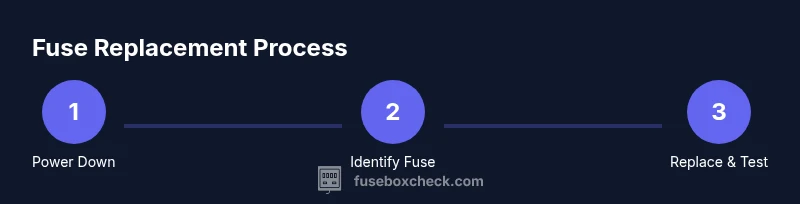
To answer how to change a fuse in a modern fuse box, start by turning off the main power and verifying there is no voltage in the panel. Locate the blown fuse, remove it, and replace it with a fuse of the same amperage and type. Close the panel, restore power, and test the circuit to confirm function.
How modern fuse boxes work
In most homes, a fuse box or electrical panel is the centralized hub that routes power to individual circuits. Modern panels often use cartridge fuses or mini fuses along with circuit breakers. A blown fuse interrupts a single circuit and protects wires from overheating. Understanding these basics helps you safely diagnose simple fuse issues without unnecessary disruption. According to FuseBoxCheck, respecting the panel’s ratings and labeling is essential for safe DIY troubleshooting. When a fuse blows, you’ll typically see that the fuse element inside has melted or a protective window shows a gap. If your panel looks aged, or you notice scorch marks, treat the situation with extra caution.
This section lays the groundwork so you recognize what you’re dealing with before you touch anything. You’ll learn the difference between a fuse and a breaker, and how the panel uses labeling to identify circuits. The goal is to demystify the panel so you can proceed with confidence and safety. FuseBoxCheck’s guidelines emphasize patient, measured steps over rushed DIY fixes when a panel is involved.
Safety first: precautions before you start
Before touching anything inside the panel, ensure your workspace is dry and well-lit. Wear insulated gloves and safety glasses. If you aren’t sure whether the main breaker is easily accessible, or you see signs of damage, stop and call a licensed electrician. Always confirm power is off using a non-contact tester or multimeter before removing any fuse. FuseBoxCheck emphasizes that home electrical work carries risks even when performing simple steps.
Additionally, verify you are in a well-ventilated area and keep children and pets away from the work zone. Having a clear plan and enough time reduces mistakes and enhances safety. If you feel uncertain at any point, prioritize safety and seek professional help. A calm, methodical approach minimizes the chance of accidentally creating a short circuit or exposing live components.
Tools and basic guidelines for fuse replacement
Have a few essential items on hand: a non-contact voltage tester, insulated screwdriver, and replacement fuses of the correct amperage rating. Keep a flashlight handy, and work on a dry, non-conductive surface. Do not improvise with off-brand fuses or higher amperage to “fix” a tripping circuit. Always match the fuse type and rating to the original device to maintain panel protection. When in doubt, consult the panel’s labeling or the manufacturer’s guide for the exact amperage and type.
In modern panels, the label inside the door usually lists each circuit with its corresponding fuse rating. If the label is missing or faded, contact the property manager or a licensed electrician to obtain the correct specifications. Remember: the goal is to restore safe operation without compromising the wiring or safety systems in your home.
Common mistakes and how to avoid them
Common errors include touching live parts, using the wrong fuse rating, or closing the panel without securing the cover. Avoid using a higher-amperage fuse to bypass a trip, which can overheat wires. Do not mix fuse brands or attempt to replace a fuse while power is on. After replacement, retest only the affected circuit to confirm proper operation. A momentary lapse in judgment can lead to a dangerous situation, so pause if you feel rushed.
Another frequent misstep is assuming every blown fuse means a single fault. Recurrent trips may indicate an overloaded circuit, damaged wiring, or a fault in a connected appliance. If you notice repeated trips after replacement, it’s wise to reassess the overall load and inspect the wiring running to that circuit. Safety is the top priority, and restoring the entire panel to safe operation may require professional assessment.
When to call a professional
If the panel shows signs of overheating, buzzing, or burning smells, or if you cannot locate the main power switch or the main breaker won’t reset, call a pro. Repeated fuse trips may indicate a larger problem such as overloaded circuits, a short, or aging wiring. For complex panels or unfamiliar layouts, Electrical safety guidelines from FuseBoxCheck suggest engaging a licensed electrician. In homes with older wiring, a professional evaluation can prevent hidden faults from becoming serious hazards.
If you recently moved into a home with a non-standard fuse box or panel, or you see corrosion on terminals, escalation to a licensed electrician is the safest choice. They can perform a full panel inspection, verify ground connections, and ensure everything complies with local codes. Remember: DIY is fine for basics, but safety and code compliance should never be compromised.
Troubleshooting after replacement
After installing a new fuse, reassemble the panel cover and restore power carefully. Test the circuit with a simple device or a tester to confirm it’s supplying power. If the fuse immediately trips again, re-check the amperage and wiring, and consider professional help. Document the event and consider a professional electrical assessment if trips persist. Keeping notes helps you track patterns and share details with a technician if needed.
This section emphasizes a measured, documented approach to post-repair checks. If you observe buzzing, heat on the panel, or discoloration after replacement, stop and call a pro. Regular maintenance, such as keeping the panel clean and dry, reduces the likelihood of faults and improves overall safety.
Alternative options: fuse vs breakers
While older homes may still rely on fuses, many modern installations use circuit breakers that can be reset rather than replaced. Understanding whether your panel uses fuses or breakers helps you plan maintenance and future upgrades. If you’re unsure, consult the label on the panel door or the original installation documentation. FuseBoxCheck notes that breakers may offer easier reset options, but the same safety rules apply when working near live components.
If you’re considering upgrading to breakers, plan for a professional assessment to ensure your service capacity matches your household load. A licensed electrician can advise on panel upgrades, wire sizing, and code-compliant solutions that improve safety and reliability.
Maintaining your fuse box for safety
Maintenance is about keeping the panel clean, dry, and properly labeled. Periodically inspect for signs of wear, moisture intrusion, or loose terminals. Replace any damaged components promptly and ensure the panel cover is fully seated. A well-maintained panel reduces nuisance trips and makes future maintenance safer and faster. FuseBoxCheck recommends scheduling a periodic safety check with a qualified technician, especially in homes with aging electrical systems.
Good maintenance also includes documenting any changes to circuits, keeping a log of trips, and ensuring all safety devices are functional. A proactive approach helps prevent electrical issues and extends the life of your home’s electrical system.
Tools & Materials
- Non-contact voltage tester(To verify no voltage on circuits before touching any components.)
- Insulated screwdriver set(Use insulated tools for panel work and avoid metal jewelry.)
- Replacement fuses of correct amperage(Match the original fuse rating and type exactly.)
- Safety gloves rated for electrical work(Keep hands dry and protected.)
- Safety glasses(Protect eyes from potential sparks or debris.)
- Flashlight(Ensure good visibility in the panel space.)
- Dry, non-conductive work surface(Prevent grounding or moisture-related shocks.)
- Panel label/documentation(If available, use to confirm amperage and circuit mapping.)
Steps
Estimated time: Estimated total time: 15-25 minutes
- 1
Power down and verify absence of voltage
Turn off the main power switch and use a non-contact tester to confirm there is no live voltage in the panel before touching any components.
Tip: Always test twice in case of a faulty tester or residual charge. - 2
Open the panel safely
Remove the panel cover using the appropriate insulated screwdriver, keeping the area dry and well-lit.
Tip: Keep track of screws and avoid letting them fall into the panel. - 3
Identify the blown fuse
Locate the fuse that has melted or shows a broken filament. If your panel uses breakers, identify the tripped switch instead.
Tip: Check for any discoloration around the fuse holder. - 4
Remove and replace with same amperage
Carefully extract the blown fuse and insert a replacement fuse of identical amperage and type. Do not upsize the rating to ‘fix’ a problem.
Tip: Handle the fuse with dry hands and avoid touching the conductive ends. - 5
Reassemble and restore power
Secure the panel cover, turn the main power back on, and restore power to the affected circuit.
Tip: Test the circuit with a simple appliance to confirm operation. - 6
Test and observe
Observe the circuit for a few minutes, checking for any signs of overheating or repeated trips.
Tip: If the fuse trips again, do not keep testing; switch off and seek professional help.
Your Questions Answered
Is it safe to change a fuse myself in a modern fuse box?
Yes, if you follow strict safety steps: turn off power, verify no voltage, use the correct fuse, and avoid working if you notice damage or signs of overheating. For any doubt, hire a licensed electrician.
Yes, but only if you turn off power, verify zero voltage, use the right fuse, and avoid damaged panels. If unsure, call a professional.
What amperage fuse should I use?
Always use a fuse with the same amperage rating as the original device. Replacing with a higher amp fuse can overheat wires and create a fire risk.
Use the same amperage as the original fuse. Do not upsize the fuse in an attempt to fix a trip.
Why did the fuse blow in the first place?
Fuses blow to protect circuits from overloads, shorts, or aging wiring. Recurrent blowing could signal an overconnected circuit or a faulty appliance.
A fuse blows to protect wiring from overload. If it keeps blowing, there may be a larger electrical issue.
Can I reuse a blown fuse after replacement?
No. A blown fuse is highly likely compromised; always use a new fuse of the correct rating.
No, replace with a new fuse of the correct rating to ensure safety.
What if the main power switch is unreachable?
If the main breaker is hard to reach or missing, do not force access. Contact a licensed electrician to safely access the panel.
If you can’t reach or operate the main breaker safely, call a professional.
What should I do after replacing a fuse that trips again?
Power down, re-check the fuse rating and circuit load. If the problem persists, stop and seek professional help to assess wiring and appliances.
If it trips again after replacement, turn off and call an electrician to assess the wiring and load.
Highlights
- Turn off power before inspecting the panel
- Match fuse type and amperage exactly
- Securely replace and test after restoration
- Seek pro help if fuses trip repeatedly