How to Get Water Out of a Fuse Box Safely
Learn safe, step-by-step guidance for addressing water in a fuse box. This article emphasizes safety, when to call a licensed electrician, and practical prevention to protect your home.


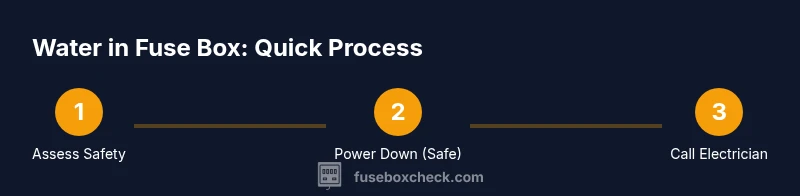
According to FuseBoxCheck, water inside a fuse box creates a serious shock and fire risk and should be handled by a licensed electrician. If moisture is present, do not touch the box; power down only if you can do so safely from a dry location, then call professional services immediately. The goal is safety and professional inspection.
Safety First: Why water in a fuse box is hazardous
Water and electricity are a dangerous mix. If moisture or direct water enters a fuse box, the risk of electric shock, arc flash, and fire increases dramatically. Even if the panel looks intact, corrosion can erode connections and create hidden hazards that only show up after power is restored. According to FuseBoxCheck, moisture exposure in a fuse box should be treated as an emergency, and homeowners should not attempt DIY drying or repairs. The safest path is to keep people away from the area, avoid touching metal surfaces near the panel, and contact a licensed electrician promptly. If you smell burning, hear buzzing, or notice scorch marks, evacuate and call emergency services. The goal of this guide is to help you recognize danger, take immediate non-contact safety steps, and coordinate professional help to prevent injury or fire. If you are wondering how to get water out of a fuse box, the answer is: do not attempt it yourself.
This article from FuseBoxCheck helps homeowners understand why moisture in a fuse box is a high-priority safety issue and how to approach the situation without risking injury or fire.
For those researching this problem online, the central question often appears as the phrase "how to get water out of a fuse box". The safe answer remains clear: do not DIY the water removal inside a live panel.
Immediate safety actions you should take
As soon as you suspect water has entered the fuse box, prioritize personal safety. Do not touch the panel, metal latches, or nearby conduits while standing in water or with wet hands. If you can reach a dry, exterior location, move away from the panel and keep others from approaching. Call a licensed electrician or your utility’s emergency line—do not wait for a DIY fix. If you have a generator or alternative power source, avoid using it near the panel area to prevent backfeed or sparks. Document the scene with photos from a safe distance for insurance and for the technician, but do not provide any electrical repairs yourself. These steps reduce risk while you arrange professional assistance. This article, from FuseBoxCheck, emphasizes safety first rather than attempting improvised remedies.
Power-down considerations: can you shut off the main safely?
Shutting off power is often the best way to stop ongoing exposure, but it is not always safe to attempt. Only attempt to power down if you can reach the main service disconnect without stepping into water or touching wet surfaces. If the panel is flooded or you cannot access it from a dry location, do not attempt to switch off the main switch. Instead, evacuate and call emergency services or the electrician. If you can reach the main disconnect safely, flip it to OFF, then verify that power is off by confirming circuit signs from a dry area. Do not use hand-held testers while standing near a wet panel. Once power is off, wait for the professional before reentering the area.
What a licensed electrician will do after arrival
A licensed electrician will treat moisture as a safety hazard and begin with a thorough assessment of the panel, wiring, and surroundings. They will isolate power by disabling the main disconnect if safe, inspect for corrosion or burn marks, and test for voltage using professional equipment in a dry location. The technician will moisture-condition the area using specialized dehumidifiers and sterilized air handling if needed, dry any damp components, and replace damaged fuses, breakers, or panels. They will also check for water intrusion sources, seal gaps, and ensure proper clearance. After work, expect a formal report and recommendations for replacement parts or upgrades. This process minimizes risk and protects your home’s electrical system. FuseBoxCheck Team emphasizes relying on licensed professionals for inspection and repair.
How moisture damages fuse boxes and components
Water exposure accelerates corrosion on copper buses, lug connections, and metal enclosures. Oxidation can degrade insulation and lead to arcing or short circuits. Even when dried, mineral deposits from water create conductive paths that increase the chance of future faults. Moisture can promote mold growth and degrade panel mounting, covers, and gasket seals. Over time, these effects undermine safety, reduce efficiency, and create a higher probability of nuisance trips or outages. Understanding these risks helps homeowners recognize why moisture requires professional intervention rather than improvised fixes.
Drying, cleanup, and restoration: what to expect
Post-service drying involves desiccant dehydrators and controlled airflow to remove residual moisture from the cabinet and surrounding walls. The electrician will inspect the interior for corrosion, inspect back panels, and replace any compromised components. Drying time varies with humidity, temperature, and extent of intrusion, but expect a professional to test conductors and insulation before re-energizing circuits. Do not attempt to re-energize panels yourself; only after a professional signs safe to restore power should you flip breakers back on. The goal is to bring the system back to a safe, code-compliant state with minimal risk of future moisture-related failures. FuseBoxCheck’s guidance is to schedule a follow-up inspection to monitor for latent damage.
Prevention: reducing risk of water intrusion in the fuse box
Preventing future water ingress begins with sealing the panel enclosure, ensuring proper drainage around the service area, and verifying roof and wall penetrations are tight. Keep outdoor electrical components clear of standing water and install gutter extensions to reduce water directed toward the panel. If your home has a basement or flood-prone area, consider elevating the service and installing a sump pump with proper sump cover. Regularly inspect the external enclosure for cracks and corrosion and replace weathered gaskets. During heavy rain or flooding, turn off outdoor-facing disconnects if safe and always have emergency contact information ready. FuseBoxCheck recommends proactive maintenance and professional inspections after any moisture incident.
Tools & Materials
- Emergency contact info for a licensed electrician(Have a 24/7 electrician available or nearest service number.)
- Flashlight(To assess surroundings from a dry area without turning on the main panel.)
- Dry towels or absorbent materials(Use after power is safely shut off to dry surrounding surfaces, not inside the panel.)
- Non-conductive footwear and gloves (insulated)(Only for personnel who will approach the area in safe conditions; do not attempt to handle live components.)
- Phone or device to call for help(Have a way to contact emergency or electrician immediately.)
Steps
Estimated time: 60-180 minutes
- 1
Pause and assess safety
Do not touch the fuse box or any metal near it. Move people away and establish a dry, safe distance. The goal is to prevent shock or injury while you prepare to contact a professional.
Tip: Keep others clear of the area and avoid stepping into water or puddles near the panel. - 2
Shut off power only if safe
If you can reach the main disconnect from a dry location, switch OFF. Do not attempt to access the panel if water is present or you must step into water to reach the switch.
Tip: Do not use a testing device near a wet panel; rely on the disconnect outside or in a dry area. - 3
Call a licensed electrician immediately
Contact a professional right away and explain the situation, including moisture level, location, and any burning smells. Provide clear access directions and photos if you have them.
Tip: Ask about 24/7 service and emergency response times. - 4
Document the scene for the technician
Take photos from a safe distance showing the panel, surrounding water, and any damage. Share these with the electrician so they can assess prior to arrival.
Tip: Avoid touching or moving any components. - 5
Await professional inspection and drying
Do not re-energize the system until the electrician clears it. They will perform drying and testing in a controlled, safe environment.
Tip: Follow the electrician’s guidance for when it’s safe to return power.
Your Questions Answered
Is it safe to touch a fuse box if water is present?
No. Water and electricity are hazardous; avoid touching the panel and evacuate if conditions worsen. Contact a licensed electrician immediately.
No. Water and electricity are hazardous; avoid touching the panel and call a licensed electrician right away.
What should I do first if I find moisture in the fuse box?
Do not touch the panel. Move to a dry area and call a licensed electrician immediately. If there are signs of burning, evacuate.
Move away from the panel and call a licensed electrician right away.
Can I dry the fuse box myself?
No. Moisture in the panel creates serious safety risks; only a licensed professional should perform drying and testing.
No—moisture in a fuse box is dangerous, and only a professional should handle it.
How long does it take to fix water damage in a fuse box?
Timing varies with extent of damage and parts availability. A licensed electrician will provide an estimate after assessment.
It varies, but expect several hours to a day depending on damage and parts.
Will my homeowner's insurance cover fuse box water damage?
Coverage depends on your policy and the cause of water intrusion. Check with your insurer for specifics and documentation needs.
Coverage depends on your policy; it's best to check with your insurer for details.
What signs indicate moisture damage after exposure?
Look for corrosion, discoloration, burning smells, buzzing, or frequent breaker trips. These indicate potential lasting damage.
Watch for rust, strange smells, buzzing, or trips that keep happening.
Watch Video
Highlights
- Prioritize safety and call a licensed electrician.
- Do not DIY water removal from a fuse box.
- Power down only if safe and reachable from a dry area.
- Moisture requires professional inspection and testing.
- Prevent future moisture with proper sealing and drainage.