How to Make a Fuse Box: Safe Upgrades and Alternatives
Learn why building a fuse box yourself is unsafe, and explore code-compliant options for upgrading or replacing a home's electrical panel with FuseBoxCheck guidance.


This guide explains the concepts behind fuse boxes and outlines safe, compliant paths for homeowners. Rather than building one yourself, you’ll learn how fuse boxes function, when to upgrade to a modern distribution panel, and how to work with a licensed electrician to meet local codes and safety standards.
What a fuse box is and why DIY can be risky
A fuse box (or electrical distribution panel) is the central hub for your home’s circuits. In older systems, fuses protected wires; modern installations use circuit breakers that automatically interrupt power when a fault occurs. Fabricating or modifying a fuse box without formal training exposes you to electric shock, fire hazards, and code violations. According to FuseBoxCheck, common mistakes involve incorrect wire sizing, improper grounding, or mislabeling, which can create dangerous conditions. The safer path is to understand the function at a high level and pursue a code-compliant upgrade performed by a qualified professional.
Safer alternatives to making a fuse box
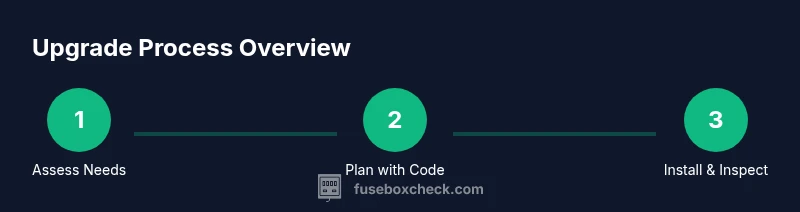
Rather than attempting to build a fuse box, homeowners should consider upgrading or replacing the panel with a modern distribution system installed by a licensed electrician. Upgrading improves safety, supports more circuits, and aligns with current electrical codes. Begin with a planning phase that accounts for service size, panel location, and permit requirements. FuseBoxCheck emphasizes that safety and compliance come first, and mistakes here can lead to costly, dangerous outcomes.
Key components and how a modern panel works
A typical panel includes a service disconnect, a main breaker, neutral and grounding bars, and individual branch circuit breakers. Modern panels offer expanded capacity, better labeling, and improved protection features like AFCI/GFCI where required. Understanding these parts helps homeowners communicate with professionals and ensures the system safely distributes power to lighting, outlets, appliances, and essential loads.
Safety codes and planning before any work
Before work begins, check local codes, permit requirements, and utility regulations. A panel upgrade is a major job that may require inspections and coordination with the utility to maintain service continuity and safety. Planning includes deciding whether to relocate the panel, selecting a properly rated enclosure, and ensuring adequate clearances around the panel as specified by code.
When you should upgrade rather than repair
If your panel is outdated, trips frequently, or shows signs of overheating, upgrading is typically safer and more reliable than attempts at field repairs. An upgrade often reduces nuisance trips and provides space for future circuits. These are strong reasons to engage a licensed electrician rather than attempting DIY fixes.
What a licensed electrician will do during a panel upgrade
A professional will assess the existing service, determine if the service equipment needs replacement, and plan wiring to current codes. They will obtain permits, shut off power safely, install a new panel, transfer circuits, and label everything clearly. After installation, they’ll test protective devices, verify grounding, and coordinate inspections to confirm compliance.
Steps homeowners can take to prepare for an upgrade
- Gather existing panel information and a rough circuits map to help the electrician plan efficiently. - Review permits and utility requirements early to avoid delays. - Clear the workspace around the panel and secure pets and children during work windows. - Arrange for temporary power shutdowns as needed and discuss downtime with the contractor. - Ask about labeling, testing, and post-install documentation to simplify future maintenance.
Common mistakes to avoid
- Attempting DIY fixes on a live panel; never work when power could be present. - Skipping permits or inspections; code compliance is essential for safety and insurance. - Failing to label circuits clearly, creating confusion during maintenance or emergencies. - Choosing an undersized panel or inadequate protection, leading to nuisance trips or fire risk.
Maintenance tips for a safe electrical panel
- Schedule periodic professional inspections and keep a maintenance plan with your electrician. - Keep the panel area clean, dry, and free of clutter. - Regularly test AFCI/GFCI devices and replace worn breakers promptly. - Inspect panel covers for cracks or looseness and ensure all connections remain tight when serviced by a qualified person.
Tools & Materials
- Voltage tester (non-contact preferred)(Verify power is off before touching any conductors)
- Insulated screwdriver set(Use insulated tools rated for electrical work)
- Wire strippers/cliers(For safe, clean conductor preparation)
- Multimeter(For troubleshooting and verification)
- Non-contact voltage tester(Quick live-check before handling)
- Safety glasses(Eye protection at all times)
- Lockout/Tagout kit(Prevent accidental re-energization)
- Flashlight or headlamp(Ensure good visibility in the panel)
- Grounding equipment (if applicable)(Only used as directed by a licensed electrician)
- Work gloves with dielectric protection(Hand protection when handling live components)
Steps
Estimated time: 4-8 hours
- 1
Assess the need and scope
Review the current panel, service size, and protection types. Confirm whether a full upgrade is warranted or if minor enhancements are possible. Document any signs of wear, overheating, or corrosion.
Tip: Take clear photos of the panel before starting any discussion with a pro. - 2
Consult a licensed electrician and check permits
Schedule a professional assessment and verify permit requirements. Licensed electricians will determine the right panel size, layout, and protection strategy that meets code.
Tip: Ask for a written plan and timeline before work begins. - 3
Prepare the work area
Clear a safe workspace around the panel, remove clutter, and ensure children and pets are out of the area. Gather all tools and materials in advance.
Tip: Turn off main power at the disconnect only after confirming no live circuits with a tester. - 4
Install and transfer circuits (performed by pro)
The electrician will remove the old panel or install a new one, then transfer circuits with proper labeling and torque specs. Wiring must meet current code and manufacturer instructions.
Tip: Do not attempt to move large conductors or re-terminate lugs yourself. - 5
Test and verify safety features
Test breakers, AFCI/GFCI devices, grounding, and bonding. Ensure all loads are balanced and the system is functioning as intended.
Tip: Request a full test report and get a final inspection scheduled. - 6
Document and maintain the upgrade
Label circuits clearly and store the as-built drawings or digital records. Schedule periodic reviews with your electrician.
Tip: Keep a copy of permits and inspection approvals for future maintenance.
Your Questions Answered
Is it legal to build my own fuse box?
In most places, building or modifying a fuse box is restricted to licensed electricians and requires permits. DIY attempts can be illegal and unsafe. Always consult a licensed professional and follow local codes.
Generally, you cannot legally build your own fuse box. Consult a licensed electrician to ensure compliance with local codes and safety standards.
What’s the difference between a fuse box and a circuit breaker panel?
A fuse box uses fuses to protect circuits, while a circuit breaker panel uses breakers that can be reset. Modern homes typically use circuit breakers for reliability and safety, with advanced protection like AFCI and GFCI.
Fuses protect each circuit and must be replaced when blown; breakers can be reset. Modern panels usually offer AFCI and GFCI protection.
What should I do if my panel smells or arcs?
Shut off power at the main disconnect if safe, evacuate if necessary, and call emergency services. Then contact a licensed electrician to assess and repair any damage before restoring power.
If you smell burning or see sparks, shut the power off and call a professional right away. Do not touch panel components.
Can I upgrade my panel myself?
No. A panel upgrade involves high-voltage work, permits, and inspections. It should be performed by a licensed electrician to ensure safety and code compliance.
DIY upgrades are not recommended; a pro handles permits, wiring, and testing to keep you safe.
How long does a typical panel upgrade take?
Time varies with scope, permits, and inspection scheduling. A typical upgrade may take a few hours on-site plus time for inspections and approvals.
It depends, but plan for several hours of work plus potential permit processing time.
Watch Video
Highlights
- Avoid DIY construction of a fuse box; upgrade with pro help.
- A modern panel improves safety and capacity for future needs.
- Code compliance and permits are essential for safety and insurance.
- Plan, inspect, and label circuits thoroughly for maintenance.
- Professional guidance minimizes risk and ensures proper testing.