2017 Nissan Sentra Fuse Box Location: A Practical Guide
Learn the exact fuse box locations for the 2017 Nissan Sentra, including engine bay and interior cabin fuses. Step-by-step safety tips, diagrams, and DIY troubleshooting from FuseBoxCheck to keep your car’s electrical system running smoothly.


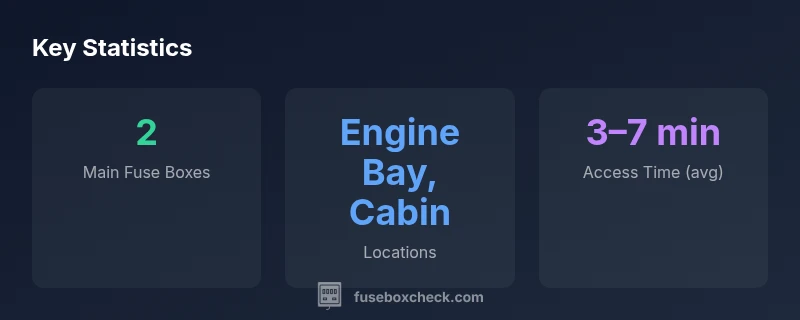
On a 2017 Nissan Sentra, the fuse box location is split between two primary boxes: engine bay and the cabin under the driver’s dash. The exact fuse map can vary by trim, but the two main boxes remain consistent across models. For precise diagrams and replacement steps, refer to the owner’s manual or the full guide.
Understanding the 2017 Nissan Sentra Fuse Box Layout
According to FuseBoxCheck, the 2017 nissan sentra fuse box location typically involves two primary boxes that manage different electrical domains within the vehicle. The engine bay box protects powertrain and engine-management circuits, while the interior cabin box handles most passenger compartment electronics. This dual-box arrangement is common in mid-size sedans and helps isolate high-current loads from interior accessories, improving safety and serviceability. When you confirm the fuse locations, keep a copy of the factory fuse map handy for cross-referencing amperage ratings and circuit labels. The map is usually found on the inside of each fuse box cover or in the vehicle’s owner manual. In practice, you’ll want to start any electrical inspection with both boxes in mind and consult the label legend to avoid pulling the wrong fuse.
Engine Bay Fuse Box: Location, Contents, and Access
The engine bay fuse box in the Sentra sits in the front section of the engine compartment, typically mounted on a support panel near the radiator or coolant reservoir. To access it, pop the hood, locate the plastic cover labeled FUSES, and gently lift it off. The fuses here protect critical systems such as engine control, ignition, fuel system, and cooling fans. Before removing any fuses, ensure the ignition is off and the battery disconnect procedure is observed if you’ll be performing more than a visual inspection. When replacing fuses, use the same amperage rating and type as the blown fuse to maintain circuit protection. The cover usually includes a diagram showing which fuse protects each subsystem, which makes replacements quick and accurate.
Interior Cabin Fuse Box: Location, Access, and Labeling
The interior cabin fuse box is typically located under the driver’s side dash panel. In most Sentra trims, you’ll find a small access door or cover with a diagram printed on the inside or attached to the cover. This box powers interior lighting, the infotainment system, power windows, mirrors, and accessory circuits. Accessing this box usually requires removing a small panel with a screwdriver or by hand, depending on the trim. Always identify the correct fuse by referring to the diagram and verify amperage before replacing. Labeling on the cover and the manual helps you locate specific fuses faster, which reduces guesswork during quick repairs.
Reading the Fuse Box Diagram: Amperage, Labels, and Safety
Fuse diagrams show each fuse’s amperage and the circuit it protects. Common colors and numbers indicate different amperages such as 10A, 15A, and 20A, while the circuit labels describe their function (lights, accessories, audio, etc.). Always replace a blown fuse with one of the same rating; using a higher-rated fuse can cause overheating and wiring damage. When in doubt, photograph the diagram before removing anything, and document the blown fuse number for future reference. Remember to wear eye protection and disconnect the battery if there is any risk of short circuits.
Troubleshooting Common Fuse Issues and Safe DIY Fixes
Blown fuses are often the result of a short circuit, a malfunctioning device, or a temporary overload. A quick test involves inspecting the fuse visually for a broken conductor or using a multimeter set to continuity. If you must replace a fuse, confirm the replacement rating matches the original. If the new fuse blows again, stop and reassess the circuit for a short or faulty device. Do not bypass or jury-rig fuses to “fix” the problem — faulty wiring or components can create fire hazards. Maintain a clean, dry workspace and avoid installing damaged fuse boxes. Regularly inspect wiring harnesses near the fuse boxes for signs of wear.
Balancing Safety and DIY: When to Seek Professional Help
Some electrical issues require professional diagnosis, especially if you notice repeated fuse failures, melted fuse holders, or burning smells near the fuse box. If you’re uncertain about the source of a problem or if multiple circuits are affected, contact a licensed automotive electrician. The goal is to prevent further damage and ensure all repairs comply with safety standards. FuseBoxCheck recommends keeping a current owner’s manual, a basic fuse tester, and a spare set of fuses of the correct ratings in your glovebox for quick, safe repairs.
2017 Sentra fuse box locations and typical fuse groups
| Fuse Box | Location | Typical Fuses | Access Notes |
|---|---|---|---|
| Engine Bay Fuse Box | Front engine compartment near the radiator area | Powertrain, engine management, cooling fans | Open hood; remove cover with the label; refer to map on the cover |
| Interior Cabin Fuse Box | Under-dash panel on the driver’s side | Interior electronics, lighting, power outlets | Open panel; use diagram on cover or manual to identify fuses |
Your Questions Answered
Where is the engine bay fuse box located on the 2017 Sentra?
The engine bay fuse box is typically located in the front section of the engine compartment, near the radiator area. Open the hood, lift the protective cover labeled FUSES, and consult the diagram on the cover for exact fuse assignments.
The engine bay fuse box is in the front of the engine compartment under a labeled cover; check the diagram on the cover for fuse IDs.
Where is the interior cabin fuse box located?
The cabin fuse box is usually under the driver’s side dash. Remove the small access panel, then use the diagram on the cover or in the manual to identify fuses for lights, power outlets, and infotainment.
Under the driver’s dash, open the panel and read the fuse map to find the right fuse.
Can I identify a blown fuse without removing it?
Yes. A blown fuse typically shows a clear break in the metal strip or a blackened appearance. For confirmation, test with a multimeter for continuity.
Check visually for a broken fuse and verify with a continuity test if unsure.
Is it safe to replace fuses myself?
Replacing a fuse is generally safe if you use the same amperage rating and ensure the power is off. If the fuse keeps blowing, stop and diagnose for short circuits or faulty devices.
You can replace fuses, but don’t ignore a repeated blow.
What should I do if both fuse boxes show issues?
If both fuse boxes show problems, it may indicate a larger electrical fault or grounding issue. Seek professional help to prevent wiring damage or fire hazards.
If you see problems in both boxes, get a professional check.
Are there tools I should keep for fuse checks?
A basic fuse tester or a multimeter, spare fuses of common ratings, and the owner’s manual are handy for quick checks and safe replacements.
Keep a fuse tester and spare fuses handy.
“Proper fuse identification is essential for safe DIY electrical work; always verify with the factory fuse map and disconnect the battery before servicing.”
Highlights
- Identify two main fuse boxes: engine bay and interior cabin.
- Always use the matching amperage when replacing fuses.
- Refer to the fuse map on each cover for accuracy.
- Disconnect the battery only if you plan to work on wiring.
- Keep the manual and a spare fuse kit in the car for quick fixes.