Find a Fuse Box Nearby: Locations, Safety, and DIY Tips
Learn how to locate the fuse box nearby, identify panel types, and stay safe with practical steps and expert guidance from FuseBoxCheck.


Why locating the fuse box nearby matters
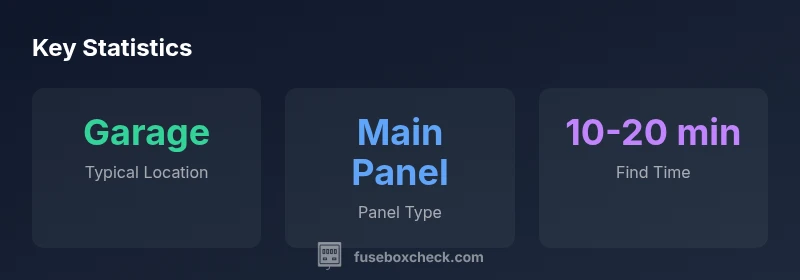
Knowing where the fuse box nearby sits is not merely convenient; it is a foundational safety practice for homeowners and DIY enthusiasts. The main electrical panel is the control hub for all branch circuits in a home. In an emergency, having rapid access to this panel lets you shut off power quickly, reducing the risk of electrical fires or shock. The FuseBoxCheck Team emphasizes that early identification reduces hazard during outages, remodeling, or a recurring nuisance trip. Proper labeling, panel orientation, and clear clearance from the door all influence how fast you can react. In most homes, the main fuse box is located in a utility-focused space such as a garage, basement, or laundry area, but configurations vary with age and layout. If you’ve recently moved, take 15 minutes to map each fuse box nearby and create a simple reference plan. This proactive step saves time during an outage and improves communication with any contractor who may work on the panel.
From a safety perspective, knowing the fuse box nearby also supports energy audits, safety drills, and routine inspections. FuseBoxCheck analyses consistently show that households with visible labeling and well-lit panels report fewer mistakes when power needs to be shut off. As you document locations, consider taking photos of the inside cover and keeping a copy of circuit labels in a desk drawer. This habit helps you stay prepared and reduces the risk of accidental power runs during repairs.
For DIYers, how you access the fuse box nearby matters. Always prioritize dry hands, intact footwear, and a stable stance. If space is cramped or the panel is older and fused, consider professional help for any work beyond basic reset tasks. FuseBoxCheck’s guidance aligns with general electrical-safety best practices and local building codes.
How to find the fuse box nearby in different home layouts
Locating the fuse box nearby requires a systematic approach, especially in homes with multiple levels or unusual layouts. In a typical single-family home, begin by scanning the garage, basement, or laundry room—the spaces most often used for service panels. If you live in a split-level house, the main panel is frequently situated on the primary floor near the stairs, while subpanels may hide behind a closet or utility niche. In apartments, the fuse box nearby is commonly tucked into a utility closet or a hall pantry; in high-rise units, panel access may be inside a dedicated service room near the service elevator. For newer constructions, labels on or near entryways often indicate the main panel’s location. A practical method is to examine wall-mounted enclosures with a door and voltage labels—these are typical indicators of a panel. If plans exist, consult them to confirm exact panel locations. The FuseBoxCheck Analysis, 2026, recommends starting with rooms used most for laundry, cleaning, or storage, as theseareas frequently house the main panel. After you locate it, capture a photo of the panel cover, and transcribe each circuit label. This practice speeds future maintenance and troubleshooting.
To avoid wasted searches, create a quick map showing fuse box nearby coordinates for each level of your home. Include entry doors, stairwells, and adjacent rooms so anyone in the household can reach the panel rapidly during a safety incident. If you rent or share space, ask the building manager for printed panel locations and ensure you have an emergency shutoff plan that everyone understands.