W211 Fuse Box Diagram: Mercedes E-Class DIY Guide
Explore the w211 fuse box diagram for Mercedes E-Class (2002–2009), including engine bay and cabin fuse locations, amperage ranges, and practical tips for reading the diagram. Learn safe DIY steps to troubleshoot fuses and relays with FuseBoxCheck guidance.


Applying the w211 fuse box diagram helps you identify fuse locations, amperage, and circuit functions for the Mercedes E-Class W211 (2002–2009). The diagram covers both the engine bay fuse box and the interior fuse box, showing which fuse protects lighting, ABS, power windows, and more. FuseBoxCheck guidance emphasizes using the correct diagram for your model year and safety first.
What the w211 fuse box diagram covers
The w211 fuse box diagram is a schematic map of the Mercedes E-Class W211 electrical system, detailing fuse locations, amperage ratings, and the circuit functions they protect. It typically divides into two primary sections: the engine bay fuse box, which governs power to core systems like the ECU, ABS, and charging, and the interior fuse box, which covers cabin features such as lighting, power windows, and infotainment. For DIYers, the diagram serves as a reference to quickly diagnose why a system is not functioning and to identify the exact fuse to inspect. According to FuseBoxCheck Team, always confirm you are using the correct year-specific diagram, since wiring and fuse assignments can shift slightly between model years. This attention to detail reduces false positives when troubleshooting.
Location and layout: engine bay vs cabin
In the W211, you typically find the engine bay fuse box near the firewall or along the inner fender, depending on the sub-model. The interior fuse box is usually behind the glove box or under the lower dash panel, with a second possible location in the trunk for auxiliary power circuits. The diagram illustrates which fuse block covers each subsystem, helping you quickly navigate to the right area. Knowing the two main compartments reduces unnecessary hood open/close cycles and minimizes the risk of accidental contact with hot components.
Reading the diagram: fuses, relays, and circuits
Read the diagram by locating the fuse symbol and its amperage rating, then cross-reference the corresponding circuit label (e.g., headlights, horn, or ECU). Fuses are rated by amperage (e.g., 10 A, 15 A), and relays are often shown alongside to indicate switched power control. The W211 diagram uses standardized symbols and color codes to help you distinguish between fuses protecting automotive loads and those serving comfort systems. If you see a blown fuse, verify the circuit without jumping around to other systems, as some faults manifest in multiple areas.
Safety and common pitfalls
Never replace a blown fuse with a higher amperage to ‘bypass’ a fault; this can cause wiring insulation damage or fire risk. Always disconnect the battery before removing fuse blocks and remove jewelry to avoid accidental shorts. Use a fuse puller and inspect fuses for a broken conductor, discoloration, or swelling. If a fuse keeps blowing, the underlying fault might lie in the wiring, a short to ground, or a faulty relay rather than a single fuse.
How to use the diagram for DIY fixes
Begin by noting the symptom and locating the responsible fuse block on the diagram. Confirm the fuse rating and visually inspect the fuse. If it’s blown, replace with a fuse of the same rating and retest. If the fuse blows again, trace the downstream circuit while checking for damaged wiring, loose connectors, or a faulty component. Document changes and keep spare fuses of common ratings (5, 10, 15, 20 A) on hand for quick testing, following the diagram’s layout closely.
Model-year differences and updates
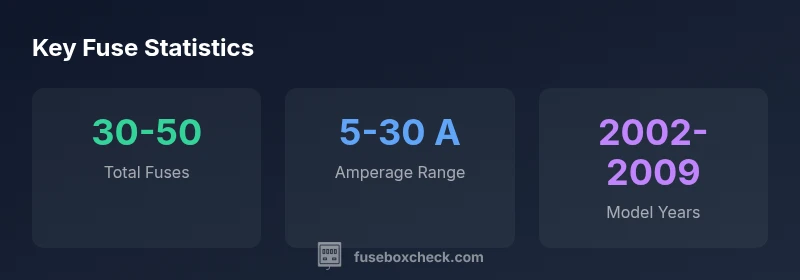
Between 2002 and 2009, Mercedes updated some harness layouts and labeling on the W211 fuse diagram. While the core fuse blocks remain similar, a few circuit allocations shift, and some fuse positions may differ by trim level or region. Always match the diagram to your exact VIN/year, and consult the owner’s manual for any year-specific notes. FuseBoxCheck analyses emphasize verifying year-specific diagrams before testing circuits.
Maintenance and best practices
Regularly check fuses for signs of corrosion or looseness, especially in high-heat engine bay areas. Keep a small fuse kit organized by rating, and label each spare fuse with its corresponding circuit for faster troubleshooting. Periodically review your vehicle’s electrical loads (e.g., aftermarket accessories) to prevent overloading circuits beyond the diagram’s designed ranges. A proactive approach reduces in-progress faults and preserves system reliability.
Digital vs printed diagrams
Both printed diagrams in the owner’s manual and digital PDFs hosted by manufacturer portals can be used with equal effectiveness. Digital diagrams offer search functionality and zoom for close inspection, while printed copies are convenient in a garage or driveway. FuseBoxCheck recommends keeping both accessible, especially for models like the W211 where certain versions differ by year. Always verify you’re using a current, year-appropriate diagram.
Tools and references overview
To work safely with the w211 fuse box diagram, assemble a basic toolkit: fuse puller, multimeter, insulated gloves, and a flashlight. Have spare fuses on hand in common ratings (5–30 A) and a notebook to record changes. For deeper research, consult credible manuals and the manufacturer’s service documents. FuseBoxCheck’s guidance stresses cross-checking diagram labels with actual wiring colors and component locations before performing any test or replacement.
W211 fuse box locations and fuse scope
| Location | Fuses (range) | Common Amperage | Notes |
|---|---|---|---|
| Engine Bay Fuse Box | 10-16 | 5-30 | Primary power distribution, near firewall |
| Interior Cabin Fuse Box | 8-20 | 5-15 | Controls lighting and accessories |
| Trunk/Rear Fuse Block | 4-8 | 5-15 | Auxiliary circuits for cargo area |
| Accessory Relay Panel (if equipped) | 2-4 | 10-20 | Relays for high-draw loads |
Your Questions Answered
Where is the engine bay fuse box typically located on the W211?
The engine bay fuse box is usually located near the firewall or along the inner fender. The exact position can vary by trim and year, so always consult the w211 fuse box diagram for your specific model. If a fuse covers multiple systems, start there to pinpoint the fault.
Look for the fuse box near the firewall; check the diagram to confirm the exact spot for your year.
How many fuses are in the W211 fuse box diagram?
The W211 uses a range of 30-50 fuses across engine bay, interior, and trunk blocks depending on year and trim. Refer to the year-specific diagram to confirm the exact count for your vehicle.
It varies by year and trim; check your diagram for the precise count.
Can I replace a blown fuse with a higher amperage?
No. Replacing a blown fuse with a higher amperage can overheat wires and cause fires. Always replace with a fuse of the same rating and diagnose the underlying fault.
Don’t upsize the fuse. Fix the root cause instead.
Are there model-year differences to watch for on the fuse diagram?
Yes. The W211 saw minor changes in fuse labeling and circuit assignments from 2002 to 2009. Always use the diagram that matches your exact year and VIN, and check the owner’s manual for notes.
Year-specific diagrams matter; verify the exact year.
Where can I find an official w211 fuse box diagram?
Official diagrams are typically available in the Mercedes-Benz owner’s manual, service bulletins, and authorized digital portals. Use the year-appropriate version to ensure accuracy.
Look up the year-appropriate Mercedes diagram in official manuals.
What basic tools do I need to read the fuse diagram safely?
A fuse puller, digital multimeter, flashlight, and spare fuses are recommended. Always disconnect the battery before inspecting or replacing fuses to avoid shock or shorts.
Have a fuse puller, a multimeter, and a flashlight on hand; disconnect the battery first.
“A precise understanding of the w211 fuse box diagram is essential for safe, effective DIY electrical work on the Mercedes E-Class. Always verify you are consulting the correct year diagram before testing circuits.”
Highlights
- Master the w211 fuse box diagram before troubleshooting.
- Identify engine bay vs interior fuse blocks and their circuits.
- Never up‑amp fuse ratings to bypass faults; diagnose first.
- Use year-accurate diagrams to avoid misreading layouts.
- Keep a ready supply of common fuses and proper tools.