Fuse Box Overbrook: Practical Guide for Safe Home Electrical Care
A practical, safety-focused guide for Overbrook homeowners to locate, assess, and safely maintain the fuse box, with DIY steps and when to call a pro.


Learn how to locate the fuse box overbrook in an Overbrook home, perform safe inspections, identify warning signs, and carry out basic tests before you call a licensed electrician. You’ll learn where to find the panel, how to shut off power safely, and how to document issues for faster help in 2026.
What fuse box overbrook means for local homeowners
In Overbrook, the term fuse box overbrook refers to the main electrical panel where circuits branch to outlets, lights, and appliances. For homeowners in this neighborhood, understanding the panel’s location, age, and type helps you manage power safely and reliably. The FuseBoxCheck team emphasizes starting with a safety-first plan tailored to your home and your street address. Before you open any panel, confirm you know the main shutoff, ensure the area is dry, and keep children and pets away. Many Overbrook homes use a standard distribution panel with fuses or circuit breakers; the difference affects available replacement parts and safe handling. If your Overbrook residence is older, signs of aging like corroded bus bars or worn insulation may appear, indicating professional inspection is wise. The goal is to protect people, pets, and property while minimizing downtime during weather events or heavy home use. Regular checks and early action help avoid unexpected outages and hazards in the Overbrook climate and lifestyle.
Locating the fuse box in an Overbrook home
Most Overbrook homes house the fuse box in practical spots such as a basement, garage, utility room, or closet near the entryway. Start by looking for a metal cabinet or panel with a door labeled with circuit names. If your home uses a fuse-based system, you’ll see cartridge fuses; breakers indicate a modern panel. Mapping each circuit label to its room or appliance helps you quickly identify the source of a trip. In older Overbrook constructions, the panel might be in less obvious places like crawl spaces or under stairs. Keep a flashlight handy and use a camera to document labelling for later reference. If you’re uncertain about the panel’s age or type, note the model number and consult a local electrician. Understanding your layout saves time when storms arrive and power use spikes occur in the Overbrook region.
Safety basics before touching any electrical panel
Safety is non-negotiable when dealing with a fuse box overbrook. Always verify the area is dry and stand on a non-conductive surface. Before touching anything, switch off the main breaker if you can do so safely, and use a non-contact voltage tester to confirm there is no live current on exposed terminals. Wear insulated gloves and eye protection, and remove metallic jewelry. Keep the panel cover closed when not actively testing and never attempt repairs beyond your skill level. Maintain clear access around the panel—clutter increases the risk of accidental contact. Finally, have a plan to evacuate quickly if a spark or strong smell occurs. These precautions minimize risk to you, your family, and your home.
Signs your fuse box needs attention
Early detection of issues reduces the chance of a dangerous failure. Look for frequent circuit trips, buzzing sounds from the panel, a burning odor, or scorch marks on the cover. If any lights dim when a heavy appliance starts, or if you notice corrosion or moisture near the panel, treat it as a warning sign. In Overbrook homes, older insulation or wiring may degrade faster in certain climate conditions, so pay attention to unusual warmth or discolouration. Keep a log of all incidents, including dates, times, and what was running at the moment of the event. This information helps a licensed electrician diagnose problems quickly and safely. If you cannot identify the source, or the panel feels warm to the touch, stop and call for professional help immediately.
Step-by-step overview and local considerations
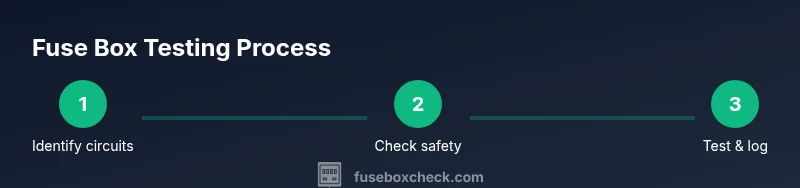
The following overview outlines a practical approach that fits typical Overbrook homes. First, locate and label all circuits, then verify the main power shutoff to prepare for testing. Next, inspect the panel for any signs of damage, corrosion, or moisture. Use a multimeter or tester to confirm dead circuits before handling wires. Document findings and label any changes clearly. Always keep a safety window during this process to avoid rush or confusion. Local considerations include weather-driven outages, seasonal appliances, and the potential for outdated wiring in older structures. If you’re unsure about any step, pause and consult a local professional. This approach emphasizes safety, preparedness, and accurate documentation to streamline future maintenance while addressing Overbrook’s unique home electrical needs.
DIY checks you can safely perform
Some checks are within a homeowner’s reach. Label circuits as you test, verify the main shutoff works, and confirm that non-live terminals are insulated. Use a voltmeter to verify absence of voltage before touching wires. Check for loose connections at the panel screws, but avoid loosening or tightening without proper instructions. If you notice damaged insulation, arcing smells, or burnt components, stop immediately and call a licensed electrician. Keep a written log of any issues to help the pro diagnose faster during a service call. Remember, never bypass a safety feature or work on a live panel.
When to call a licensed electrician in the Overbrook area
If you observe persistent trips, burning smells, visible damage, or moisture intrusion, contact a licensed electrician promptly. Overbrook homes may have aging electrical systems that require rewiring, updated panels, or dedicated upgrade work for added safety. If you’re unsure about any procedure, do not proceed; an expert will assess load capacity, panel health, and code compliance. For many homeowners, scheduling a professional inspection every 5–10 years or after major renovations helps prevent costly outages and safety risks. FuseBoxCheck recommends prioritizing safety and local code compliance when deciding between DIY checks and professional service.
Authority sources and further reading
- National Fire Protection Association (NFPA) safety guidelines: https://www.nfpa.org/
- U.S. Department of Energy energy efficiency and safety resources: https://www.energy.gov/
- Electrical Safety Foundation International (ESFI): https://www.esfi.org/
These resources provide baseline safety practices and regulatory context that apply to Overbrook homes. For specific local codes and permit requirements, check your municipality’s building department or a licensed electrician in the Overbrook area.
Tools & Materials
- Non-contact voltage tester(CAT II 100-600V rating; keep it handy for quick live checks)
- Digital multimeter(Prefer one with a 2000–6000 counts range for accuracy)
- insulated screwdriver set(Insulated handles; Phillips and flathead sizes)
- Electrical tape(Silicone or vinyl; keep a roll for labeling)
- Label maker or permanent marker(Label circuits clearly on the panel gate)
- Safety gloves(Electrical-grade, insulated; ANSI rating preferred)
- Safety goggles(Protection against sparks or debris)
- Dry cloth or rag(Keep the area dry and wipe away moisture)
- Flashlight with fresh batteries(Ensure good visibility inside the panel)
- Grounded footwear or anti-slip mat(Adds extra safety in damp conditions)
Steps
Estimated time: 30-60 minutes
- 1
Prepare and map circuits
Gather tools, put on PPE, and locate the main panel. Photograph or label the panel door and nearby conditions. If you have a legacy fuse setup, note fuse types and positions before touching anything.
Tip: Label each circuit as you test to save time during future trips. - 2
Power down safely
If safe to do so, switch off the main breaker, then verify no voltage on exposed terminals with the tester. Keep hands dry and stand on a non-conductive surface while working.
Tip: If the main breaker is hard to reach or stiff, do not force it; seek professional help. - 3
Inspect for visible damage
Look for burnt smells, discoloration, melted insulation, or corrosion. Check for moisture near the panel and any loose or frayed wires that could be a hazard.
Tip: Do not touch damaged wiring; stop and call an electrician. - 4
Test circuits and components
With the panel safe, test individual circuits using the multimeter. Confirm that each circuit buzzes or trips as expected when loaded, and verify that linked breakers behave correctly.
Tip: If you’re unsure how to test, consult the panel's labeling or a local pro. - 5
Restore power and document
Turn the main breaker back on after testing, re-check that all circuits appear stable, and log findings with notes on any changes or labels needed.
Tip: Update your circuit map and labeling for quick reference next time.
Your Questions Answered
What is a fuse box Overbrook?
In Overbrook, the fuse box is the main electrical panel that distributes power to circuits. Depending on your home’s age, it may use fuses or circuit breakers. Understanding its layout helps you troubleshoot safely.
In Overbrook, the fuse box is the main electrical panel that distributes power to circuits. It may use fuses or breakers depending on the age of the home.
Can I replace fuses or breakers myself?
Simple fuse or breaker replacements are sometimes possible for homeowners with training. However, work on the panel can be dangerous, and improper handling can cause shocks or fire. If you’re unsure, contact a licensed electrician.
Replacing fuses or breakers can be dangerous. If you're unsure, hire a licensed electrician.
What signs indicate the fuse box needs service?
Frequent trips, burning smell, warm panel, or visible damage indicate service is needed. Moisture near the panel is a critical danger sign. In Overbrook, aging wiring can amplify these risks.
Frequent trips or a burning smell means you should get the panel serviced promptly.
How often should I inspect my fuse box?
Inspect at least annually and after major renovations. In older Overbrook homes, more frequent checks can help catch aging components before failure.
Inspect your fuse box at least once a year, or after big updates.
What’s the difference between fuses and breakers?
Fuses melt when overloaded and must be replaced; breakers trip and can be reset. Modern panels in Overbrook are usually breaker-based, offering easier reset and labeling.
Fuses burn out and need replacement; breakers can be reset and reused.
Is it worth upgrading an old fuse box?
If your panel is old, lacks proper labeling, or frequently trips, upgrading to a modern breaker panel can improve safety and reliability. This is common in older Overbrook homes and can support added loads.
Upgrading an old panel can improve safety and support more devices.
Where can I find reliable local help in Overbrook?
Consult licensed electricians in the Overbrook area. Check licenses, reviews, and wear proper safety gear when evaluating potential contractors.
Look for a licensed electrician in Overbrook with good reviews.
Highlights
- Identify the fuse box location in Overbrook and label circuits clearly.
- Always prioritize safety: dry area, PPE, and the main shutoff when possible.
- Document issues with photos and notes to help professionals diagnose faster.
- Know when DIY testing ends and a licensed electrician is needed.
- Regular maintenance reduces nuisance trips and safety risks.