Fuse Box Safety and DIY Troubleshooting: A Practical How-To
A practical, safety-first guide to inspecting and troubleshooting your fuse box, with clear steps, essential tools, safety considerations, and guidance on when to call a licensed electrician.


Learn to safely inspect your fuse box, identify common issues, and decide when to call a pro. This guide covers planning, PPE, essential tools, and a step-by-step approach to testing circuits, labeling panels, and documenting findings. By following these steps, you reduce shock risk and improve home electrical safety today.
Understanding the phrase fuse box this bed we made and why it matters
In this guide, the odd phrase fuse box this bed we made serves as a mnemonic to remind homeowners that even everyday furniture placement can affect electrical safety. The main takeaway is to keep cords, outlets, and panels clear of obstructions. A well-organized space reduces the risk of tripping, overheating, and accidental shorts whenever cords are stretched under furniture or near a bed frame. By keeping the area around your fuse box accessible, you ensure safe, quick response if a circuit trips and you need to locate the main disconnect. This mindset supports proactive safety rather than reactive fixes, and it aligns with best practices recommended by electrical safety guidelines. Fuse Box Check’s emphasis on space management translates into tangible steps you can apply today to minimize hazards in living rooms, bedrooms, and hallways where furniture and outlets intersect.
If you’re new to electrical work, this kickoff section helps frame the project as a safety task, not a rush to fix problems. You’ll learn to establish a dedicated workspace, control access for children, and map the layout of circuits so future work or inspections are straightforward. The goal is to create a safe foundation so you can proceed with confidence without compromising the integrity of the electrical system or your personal safety.
Fuse box anatomy and common layouts in typical homes
Most homes feature either a fuse-based panel or a circuit-breaker panel. A basic understanding helps you identify whether you are dealing with legacy fuses or modern breakers, which determines the tools and approach you’ll use. The main disconnect sits at the top or center of the panel and protects all branch circuits. Inside, each labeled slot corresponds to a branch circuit feeding outlets, lights, or appliances throughout the house. In older homes, you might encounter cartridge fuses with a central panel; in newer builds, a modern panel with toggling breakers is typical. Regardless of layout, the goal is to understand which circuits correspond to which rooms and appliances so you can safely test or reset them without touching live conductors. Recognizing signs of wear, scorching marks, or discoloration on the panel cover can warn you to pause work and seek professional help. A well-labeled panel also simplifies future troubleshooting and upgrades, reducing the risk of accidental overloads.
Safety prerequisites and PPE (personal protective equipment)
Before you touch any part of the fuse box, establish a safety-first baseline. Set up a dry, well-lit work area away from moisture and water sources. Wear insulated gloves and safety glasses to protect hands and eyes from sparks or flying debris. Use non-conductive tools whenever possible, and keep one hand behind your back to minimize the chance of completing a circuit if you accidentally touch live components. Avoid working alone; have someone nearby who can assist or call for help if needed. If you notice moisture, corrosion, or a burning smell near the panel, stop immediately and contact a licensed electrician. Remember that PPE is only part of safety—proper planning, safe access, and deliberate actions are equally essential to reduce risk during any fuse box task.
Planning your inspection: labeling, tagging, and documentation
Preparation is the key to a successful and safe inspection. Start by removing any clutter around the panel so you can access it quickly. Create a quick map that pairs each circuit with its likely area or equipment—bathroom circuits, kitchen outlets, living room lights, etc.—and label the breakers or fuses as you identify them. Use a durable label or painter’s tape so the markings don’t fade with time. Document findings in a notebook or digital note: note which circuits trip and under what conditions. A clear trail of information helps you troubleshoot current issues and prevents confusion during future DIY work or when you call a professional. This planning phase reduces hands-on time at the panel and lowers the risk of accidental re-energizing during testing.
Tools and materials overview: what you need and how to use them safely
Having the right tools ready before you begin reduces delays and keeps work safer. A basic insulated screwdriver set (Phillips and flat-head) allows you to operate screws without exposing conductors. A non-contact voltage tester helps verify whether a circuit is live without making contact. A digital multimeter is essential for accurate voltage checks on different circuits. A bright, hands-free flashlight helps you inspect panels without blocking your vision. A circuit labeling kit, notebook, and pens let you organize your panel mapping. Finally, wear protective gloves and safety glasses, and keep a sturdy pair of non-slip shoes. Always inspect tools for damage before use, and replace any frayed cords or worn handles immediately.
Step-by-step approach to safely checking circuits (narrative)
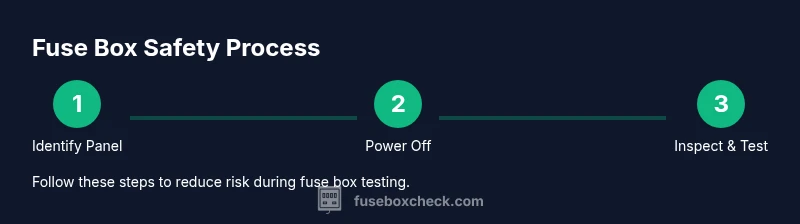
To maintain a calm, methodical pace, start by locating your fuse box and confirming the panel labeling matches room locations. Plan your power-off strategy by identifying the main disconnect and, if necessary, isolating individual circuits you plan to test. Keep the area dry and well-lit, then put on PPE. Use the non-contact voltage tester to confirm the absence of live voltage before touching any conductors. If you must work inside the panel, use insulated tools only and keep your other hand in your pocket to minimize the risk of completing a circuit. Record observations as you go and avoid rushing—safety comes first and speed follows accuracy.
Diagnosing issues: common symptoms and what they imply
When circuits trip, inspect whether the blockage is due to overload, a fault in an appliance, or a loose connection. Flickering lights can indicate a weak connection, while a buzzing panel may signal overheating or failing components. Visible signs like melted insulation, scorch marks, or a burning smell require immediate shutdown and escalation to a professional. By correlating observed symptoms with your labeling map, you can narrow down potential causes and plan a safe next step. If you’re unsure at any point, pause and seek professional guidance rather than continuing to test random circuits.
Throughout the process, keep damage control in mind: document the problem, isolate affected areas, and avoid reinstating power until you’ve addressed contributing factors.
Documentation, maintenance, and preventive habits
After you complete an inspection or adjustment, update your circuit map with accurate labels and notes. Schedule regular checks—at least annually—to ensure labeling remains legible and appliances are operating safely. Keep panels free of dust, moisture, and flammable materials, and replace any damaged components through a professional, particularly if you notice buzzing, warmth, or odors. Consider upgrading an old fuse box to a modern breaker panel for improved safety and easier maintenance, and ensure any upgrades comply with local electrical codes. Finally, maintain a calm, proactive mindset: safe fuse box work isn’t a sprint, it’s a disciplined routine that protects your home and family.
When to call a licensed electrician and what to expect
If you encounter persistent buzzing, warmth, signs of scorching, or frequent tripping that cannot be traced to a single circuit, stop and call a licensed electrician. Do not attempt major rewiring, panel replacement, or service-panel upgrades on your own. A qualified pro will perform a formal inspection, check for code compliance, and provide a detailed plan with upfront pricing. They can also help plan upgrades for safe, long-term electrical performance and ensure your home meets current safety standards.
Tools & Materials
- Insulated screwdriver set (Phillips and flat-head)(Rated for electrical work; insulated handles up to at least 1000V)
- Non-contact voltage tester(Verify circuits are de-energized before touching conductors)
- Digital multimeter(Use for accurate voltage checks on branch circuits)
- Non-conductive flashlight or headlamp(Hands-free lighting for panel visibility)
- Circuit labeling kit(Label breakers and circuits clearly as you test)
- Protective gloves (insulated)(Keep hands protected when working near conductors)
- Safety glasses(Eye protection from incidental sparks or debris)
- Notebook and pen(Document observations and circuit identifications)
Steps
Estimated time: 60-90 minutes
- 1
Identify the panel location and labeling
Locate the fuse box and review any existing labels. Confirm you can access the main disconnect and the most critical branch circuits. Document which areas you’ll inspect first to minimize door openings or disruption. Tip: Take a photo of the panel labeling for quick reference.
Tip: Ensure the area around the panel is dry and accessible before proceeding. - 2
Prepare the workspace and PPE
Put on safety glasses and insulated gloves. Clear any clutter from the area around the panel and remove loose objects that could snag wires during testing. Have a dry surface to place tools and notes.
Tip: Always work with dry hands and dry surfaces; moisture is a major risk factor. - 3
Shut off power at the main disconnect (and any needed circuits)
If you need to test a specific circuit, switch off the corresponding breaker or fuse first. For full inspection, shut off the main disconnect and wait a few minutes for residual energy to discharge. Do not rely on a single test as the sole verification of de-energization.
Tip: Use the non-contact tester to double-check that the panel is de-energized before touching conductors. - 4
Verify power is off with a tester
Hold the tester near the panel connections to confirm no live voltage is present. Check multiple points, including any exposed lugs or bus bars, to ensure safety before beginning any interior inspection.
Tip: If the tester shows voltage, stop immediately and reassess or seek pro help. - 5
Inspect for signs of damage or overheating
Look for melted insulation, scorch marks, rust, or warmth emanating from the panel. Note any corroded screws or loose wires. Do not attempt to tighten or replace components unless you have the proper training.
Tip: Document any signs of damage with photos for reference when you consult a professional. - 6
Check for loose connections with insulated tools
Gently probe connections to feel for looseness while watching for any signs of arcing in the panel. If you detect a loose lug or suspect a weak connection, stop and contact a licensed electrician. Tip: Avoid moving wires you’re not sure about; mis-toggling can create new hazards.
Tip: Keep a consistent labeling system to track which wire belongs to which circuit. - 7
Test representative circuits using a multimeter
With the main off, test a few known circuits for expected voltage when power is restored, or test a controlled load once you’ve confirmed it’s safe to energize. Record results for future reference and to identify patterns that require professional evaluation.
Tip: Do not perform high-load testing on unfamiliar circuits without proper training. - 8
Label circuits and document findings
Update the panel map with circuit names and locations. Write clearly which circuits trip and under what conditions. Store the map with the home records so future work or emergencies can be approached confidently.
Tip: Keep your labelling legible and weather-protected if the panel is in an exposed area. - 9
Decide on next steps and escalation
If you’ve identified persistent issues, frequent trips, or signs of damage, plan a professional assessment. Prepare a short summary of symptoms and the steps you’ve taken to share with an electrician to speed up diagnosis.
Tip: For complex panels or upgrades, professional consultation is recommended.
Your Questions Answered
Is it safe to work on a fuse box by yourself?
DIY work can be safe if you strictly follow safety steps, use proper PPE, and de-energize the system. However, certain tasks—like replacing main components or rewiring—should be handled by a licensed electrician.
DIY work is possible for basic safety checks, but avoid major rewiring. If unsure, hire a pro.
What is the difference between a fuse box and a breaker panel?
A fuse box uses fuses that must be replaced when blown, while a breaker panel uses switches that can be reset. Modern homes typically use breaker panels, but some older homes still rely on fuse boxes.
Fuse boxes use fuses; breaker panels use resettable switches. Modern homes usually have breakers.
Can I replace a fuse box at home?
Replacing a fuse box is a major electrical upgrade that involves wiring, grounding, and code compliance. It should be performed by a licensed electrician with permit where required.
Replacing a fuse box is a significant job—best left to a licensed electrician.
What should I do if I smell burning or see scorch marks on the panel?
A burning smell or scorch marks indicate a potentially dangerous condition. Shut off power if you can do so safely and contact a licensed electrician immediately.
If you smell burning or see scorch marks, shut off power and call a pro now.
Why is there buzzing in my fuse box?
Buzzing can indicate loose connections, overheating, or failing components. Treat it as a warning sign and consult a professional to diagnose and fix the cause.
Buzzing usually means something is loose or overheating—have a pro check it.
Do I need permits to work on my fuse box?
Permit requirements vary by location. Check local codes or consult a licensed electrician to determine if a permit is needed for panel work or upgrades.
Permits depend on your area—check local codes or ask an electrician.
Watch Video
Highlights
- Plan and label before touching the panel
- Always prioritize de-energization and PPE
- Document findings for future reference
- Know when to escalate to a licensed electrician
- Keep the workspace dry and organized to reduce risk