How to Find a Fuse Box: A Homeowner's Guide
Learn how to locate your fuse box safely, identify the main service panel, and distinguish fuses from breakers with practical steps, common locations, and essential safety tips for DIY homeowners.


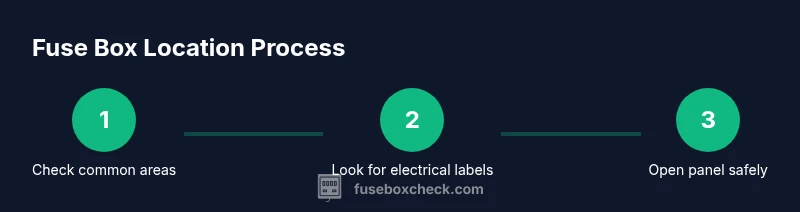
This guide shows you how to locate your home's fuse box, verify it is the service panel, and safely access fuses or breakers. You’ll learn common locations, how to differentiate panels, and what tools to bring. By following the steps, you’ll know exactly where the fuse box is and how to use it if a circuit trips.
Understanding the Fuse Box and Its Purpose
A fuse box, also called a service panel, is the central hub that distributes electricity to the different circuits in your home. Finding it is the first step in diagnosing power issues, performing safety checks, or temporarily isolating a circuit when something trips. The panel houses fuses or circuit breakers that protect wiring from overcurrents. Knowing its location helps you respond quickly during an outage or when wiring work is needed. For DIY enthusiasts, understanding the layout and labeling on the panel can prevent accidental shocks and ensure you work only on the intended circuit. Fuse boxes should be located in dry, accessible areas and away from water sources. If you are unsure about the panel’s purpose, refer to any available home electrical schematics or consult a professional.
Common Home Locations Where You’ll Find the Fuse Box
Most houses place the fuse box in practical, easy-to-access spots. Look in the basement ceiling or wall, near a laundry area, or in the garage utility alcove. In multi-story homes, you might find a secondary panel upstairs or in the mechanical room. Exterior locations exist in some older homes or in regions with detached garages. If you live in a condo or apartment, the main panel is typically inside your unit, sometimes behind a closet door. When searching, start from the main entry point of the electrical system and follow walls toward likely service routes. Labels on the door or surrounding walls can reveal its function as the “Electrical,” “Service,” or “Main” panel.
Safety First: Power, PPE, and Basic Precautions
Before touching any panel, ensure your hands are dry and you’re standing on a dry surface. Wear non-conductive gloves if you have them and use a flashlight for clear visibility. Do not open a panel in wet areas or if you notice signs of overheating, burning smells, or buzzing sounds. If you suspect a water ingress or damaged panel, turn off power at the main disconnect (if accessible) and call a licensed electrician. Never attempt to bypass fuses or breakers or replace components with improvised tools. The goal is to identify the correct panel without risking shock or arc flash.
How to Distinguish the Fuse Box From Other Panels
Fuses and breakers sit inside a metal or plastic enclosure, usually with a door that hides the wiring. A fuse box uses replaceable fuses; you’ll see fuse holders and old-style components. A breaker panel uses lever switches that flip up or down to interrupt a circuit. Modern homes often use breaker panels, but some older houses still rely on fuses. Check the labeling inside the door for circuit names (e.g., Kitchen, Living Room, HVAC). If you’re unsure, count the number of lines coming into the panel and inspect the presence of fuse cartridges versus breakers. Labeling quality can vary, so take notes as you identify each circuit for future reference.
What to Do If You Can’t Locate It
If you search common indoor locations and still can’t find the fuse box, expand your check to utility rooms, basements, garages, or exterior meter areas. In some homes, the panel may be in a secondary location such as a crawlspace or under stairs. If you still can’t verify the panel, do not force doors or access panels that look unusual or are secured. Contact a licensed electrician or your utility company for guidance. Document the address and any nearby landmarks to help professionals locate the panel faster.
Tools & Materials
- Flashlight(Bright, hand-held flashlight with fresh batteries)
- Non-contact voltage tester(Useful for verifying absence of live voltage without touching wires)
- Insulated screwdriver set(Flat-head and Phillips; used to remove panel screws safely)
- Notebook and pen(Record panel location, circuit labels, and steps taken)
- Water-resistant gloves (optional)(Adds grip and protection when handling metal surfaces)
- Floor plan or home wiring schematic (optional)(Helps verify the panel location and circuits)
Steps
Estimated time: 15-25 minutes
- 1
Check likely locations
Start with common indoor sites like the basement, garage, or utility room. Look near the main entry points of electrical cables and any room with a utility sink or HVAC equipment. Take note of any labeled doors or enclosures that could conceal the panel.
Tip: If you keep a home schematic, use it to narrow down the panel’s probable location. - 2
Inspect the panel door and labeling
Open the panel door gently and read the labeling inside. Look for terms like Service, Electrical, or Main to confirm you’re looking at the right enclosure. Do not touch live terminals during this step.
Tip: If labels are faded, photograph them for later reference. - 3
Open the panel safely
With the power off at the main disconnect if accessible, use the insulated screwdriver to remove any screws and prop the door. Do not touch any exposed wires or terminals unless you are certain the power is off.
Tip: Always verify power is off with a tester before handling wiring. - 4
Differentiate fuses from breakers
Look inside for fuse cartridges or breaker switches. If you see round cylindrical fuses, you’re likely dealing with a fuse box; rectangular handles indicate breakers. Note circuit names on the panel for future trips.
Tip: Label any unfamiliar circuits with a permanent marker after you confirm them. - 5
Verify absence of live voltage
Before touching wires, use a non-contact tester to ensure there’s no live voltage on exposed components. If voltage is detected, back away and seek professional assistance.
Tip: Keep tools insulated and hover the tester near potential contact areas first. - 6
Close up and document
Reinstall the panel door, restore power if you turned it off, and log each circuit’s location and purpose. This helps future trips or maintenance and reduces the chance of accidental resets.
Tip: Keep your notes in a dedicated home electrical safety file.
Your Questions Answered
Where is a fuse box typically located in a house?
Most homes place the main fuse box in the basement, garage, or utility room. If you can't locate it, check common service routes and consult building plans or a professional.
Most homes place the fuse box in the basement, garage, or utility room. If you can't find it, check service routes or a building plan.
Can a fuse box be located outside the home?
Yes, some older homes have exterior service panels or panels in detached buildings. If you don’t find one inside, inspect near meters or outside utility areas.
Yes, some homes have exterior panels near the meter or in a detached area.
What should I do if I can’t locate the fuse box?
If you can’t locate the fuse box after checking common spots, stop and contact a licensed electrician. They can identify the correct panel safely and prevent electrical hazards.
If you can’t locate it, contact a licensed electrician for a safe identification.
What is the difference between a fuse box and a breaker panel?
A fuse box uses replaceable fuses to interrupt circuits; a breaker panel uses resettable switches. Many newer homes use breakers, but older homes might still rely on fuses.
Fuses use replaceable elements, while breakers are resettable switches.
Do I need to turn off power before inspecting?
Turn off power at the main disconnect if you will touch panels or wiring. If you are unsure, avoid contact with live parts and call a professional.
Turn off power at the main disconnect if you’re going to touch the panel; otherwise avoid contact with live parts.
Is it safe to open a fuse box cover?
Opening a fuse box cover is only safe when power is off and you have proper PPE. Do not touch exposed metal and avoid forced movements that could damage components.
Only open the cover with power off and proper protection.
Highlights
- Locate common indoor fuse box areas first (basement, garage, utility room).
- Differentiate fuses from breakers before touching any components.
- Always verify power is off and use proper PPE and insulated tools.
- Document panel location and circuit labels for future safety.