How to Get Fuse Box: Locate, Access, and Safety
Practical, safety-focused guide for homeowners on locating and accessing a fuse box, identifying circuits, and safely working with electrical panels—when to call a pro.


You’ll learn how to locate and access your home fuse box, identify the circuits, and perform basic safety checks. This guide covers essential tools, step-by-step actions, and when to call a licensed electrician. By following safe practices, you’ll reduce the risk of shocks and electrical fires while keeping your system organized.
Understanding the Fuse Box: Safety and Basics
The fuse box is the central hub that controls the flow of electricity to your home. For many DIY tasks, the first question is how to get fuse box information quickly and safely. In this section you’ll learn what a fuse box does, the difference between fuses and circuit breakers, and the safety rules you should follow before you touch anything. Always start with dry hands, a dry floor, and a well-lit workspace. Confirm the main disconnect is accessible, and never work on a live circuit. By understanding labeling and panel layout, you can plan safe steps and avoid unnecessary risks. Fuse boxes come in different designs, but the core idea remains the same: protection and control for each branch circuit.
How Fuse Boxes are Organized: Fuses vs Breakers
This section explains how different homes prepare for power events. Some older homes still use fuses; most modern panels use circuit breakers. Understanding which type you have helps you know what safety actions are appropriate. Look for the main breaker or main fuse, the labeling for each circuit, and the amperage ratings. Regularly check for corrosion, discoloration, or a burning smell near the panel—these are red flags that require careful handling and possibly professional service. Keeping a clean, dry, and accessible panel area reduces the risk of accidental contact with live parts. Remember: the goal is to understand how your panel protects your home while staying within your comfort and skill level.
Step-by-Step: Locating and Accessing Your Fuse Box
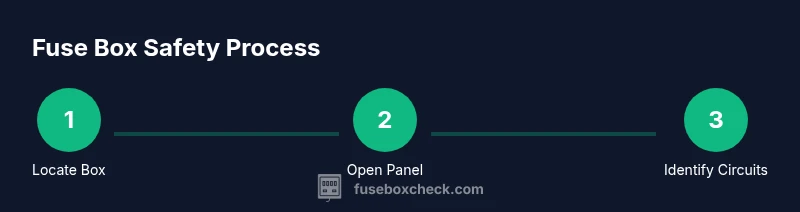
Locating the fuse box is usually straightforward: check the garage, basement, or outside wall near the electrical meter. Once found, inspect the door and surrounding area for signs of moisture. Before opening the panel, switch off the main disconnect if accessible; then verify with a voltage tester that the area is safe. Use a flashlight with fresh batteries to illuminate hard-to-see areas. Keep tools organized in a non-conductive container and wear insulated gloves when handling any components. If a door or hinge is damaged, avoid forcing it open—this can indicate internal wear or a hidden hazard. After you’ve opened the panel, look for the label that matches a circuit to its room and appliance.
Reading Labels and Tracing Circuits
Most panels include a label listing which breaker or fuse controls each circuit. If the labeling is unclear, use a process of elimination: turn off one circuit at a time and observe lights to map rooms and appliances to their correct breakers. Document changes with a permanent marker or notes in a dedicated panel log. Re-check that all circuits are clearly labeled and that the main is fully accessible. Good labeling saves time, reduces confusion, and helps when you need to restore power after an outage or reset a trip.
Safe Testing and Basic Troubleshooting
Testing should be done with appropriate tools and precautions. A non-contact voltage tester can confirm whether a circuit is live before you touch anything. If you must reset a fuse or breaker, reset to the full OFF position before turning it back ON. Identify a trip cause by turning off devices on the affected circuit, then gradually restore power and observe for repeats. If components feel hot, emit a burnt odor, or show signs of damage, stop and call a licensed electrician. Always wear eye protection and avoid leaning directly on the panel when troubleshooting.
What to Do About Signs of Damage or Smells
If you notice buzzing, sizzling sounds, a burning smell, or scorch marks around the fuse box, shut off the main power if safe to do so and contact emergency services or a licensed electrician. Do not touch exposed conductors or loose connections. Even minor signs of wear can indicate an escalating problem that could lead to a fire. Keep a clear path to the panel and ensure children and pets are away from the area. Regular inspections by a qualified electrician can prevent dangerous issues before they happen.
Authoritative Sources for Fuse Box Guidance
For further reading, consult official safety resources from federal and major electrical safety organizations. OSHA and Energy.gov provide general electrical safety guidelines, while NFPA publishes standards related to electrical systems and fire prevention. These sources offer reliable, up-to-date information to complement hands-on practice and support safer DIY work around fuse boxes. Links:
- https://www.osha.gov
- https://www.energy.gov
- https://www.nfpa.org
Tools & Materials
- Insulated screwdriver set(A set with various sizes; insulated to 1000V)
- Non-contact voltage tester(To verify live circuits without contact)
- Flashlight(Bright, preferably LED with extra batteries)
- Multimeter(For measurements if you’re trained)
- Insulated gloves(Class 0 or 00 rated for handling panels)
- Safety goggles(Optional protection during inspection)
Steps
Estimated time: 45-60 minutes
- 1
Prepare and Plan
Clear the work area and gather your tools. Plan each action and note safety steps before touching any panel components. This reduces impulse movements near live parts.
Tip: Double-check that you have a dry, stable workspace and understood each step before you start. - 2
Locate the Fuse Box
Search common locations such as the garage, basement, or outside near the meter. Verify you’ve identified the correct panel before proceeding.
Tip: If you’re unsure, use a heat map or panel diagram in the house plans to confirm location. - 3
Power Isolation
If accessible, switch off the main disconnect and wait a few minutes for the system to settle. Then test the panel with a voltage tester to ensure no live portions are exposed.
Tip: Never rely on guesswork—always test before touching any conductors. - 4
Open Panel and Inspect
Open the door carefully and look for signs of moisture, corrosion, or damage. Do not force hinges or latches if they feel stuck.
Tip: Keep tools at a safe distance from exposed metal parts. - 5
Identify Circuits
Read the labeling and map each circuit to its room or appliance. If labeling is unclear, use a process of elimination with the main off.
Tip: Document changes in a panel log for future reference. - 6
Close and Clean Up
Close the panel door, restore power carefully, and store tools properly. Clean the area and note any observations for future checks.
Tip: Do not leave panels or tools in humid or high-traffic wet areas.
Your Questions Answered
Is it safe to work on a fuse box by myself?
Basic checks can be safe if you strictly follow safety steps and avoid live work. For anything beyond simple inspections, consult a professional.
For simple checks you can proceed carefully, but avoid risky tasks and call a professional if unsure.
What tools do I need to inspect a fuse box safely?
Insulated screwdriver, non-contact tester, flashlight, and possibly a multimeter if you’re trained. Wear safety goggles as needed.
You’ll want insulated tools, a tester, a flashlight, and maybe a multimeter if you know how to use it.
How do I know if my fuse box needs replacement?
Frequent tripping, visible damage, scorch marks, or a persistent burning smell are signs you should have a licensed electrician evaluate the panel.
If you notice frequent trips or damage signs, get an electrician to assess.
Can I test a circuit safely without turning off the main?
No. It’s safer to turn off the main when inspecting and testing circuits to prevent shock or arc flash.
No, always switch off the main before inspecting.
Should I label circuits myself?
Yes. Clear labeling saves time during maintenance and helps you restore power accurately after outages.
Labeling is a good habit; keep a panel log.
Is a fuse box in a rental home different from a house?
The process is the same, but follow local rules and communicate any hazards to the landlord.
Same safety rules apply in rentals; coordinate with the landlord.
Watch Video
Highlights
- Locate the fuse box using your home's layout
- Always de-energize before inspection
- Label circuits clearly to simplify future work
- Use insulated tools and test with proper devices
- Know when to call a professional