What Causes a Fuse Box to Burn: Practical Guide
Urgent, practical guide to what causes a fuse box to burn, how to spot warning signs, and safe steps to prevent fires. FuseBoxCheck provides expert guidance for homeowners and DIY enthusiasts.


Most fuse box burn incidents stem from overloaded circuits or loose, corroded connections. Start by turning off the main breaker and unplugging high-draw appliances. Do not touch exposed wiring. This guide from FuseBoxCheck helps you recognize risks, prevent a fire, and safely prepare for professional service.
Why fuse boxes burn
What causes fuse box to burn in most homes is heat buildup from overloaded circuits or loose connections. Failing insulation, aging panels, and moisture intrusion can escalate a simple overload into a dangerous event. According to FuseBoxCheck, the leading factor is heat generated by excessive load on a single bus or deteriorating contacts, which can arc and ignite surrounding materials. Early warning signs include warm surfaces, scorch marks, and melted insulation. Regular inspections help identify developing problems before they lead to a fire. If you notice a strange odor, warmth around the panel, or buzzing sounds, treat it as a potential emergency and limit use of the affected area until a professional can assess it.
Common warning signs
Early warnings include a burning smell, crackling noises, discoloration around the panel, or breakers that trip and re-ignite repeatedly. If the panel cover feels warm after use or you see white or black soot near breakers, these signals suggest overheating from loose connections, overloaded circuits, or moisture intrusion. Do not ignore a persistent buzzing or a faint graphite-like odor—these are often precursors to a dangerous electrical event. Stay clear of the panel and call a licensed electrician at the first safe opportunity.
Immediate safety steps you should take
If you smell burning or see smoke, evacuate the area and call emergency services if the situation escalates. Do not spray water on electrical panels; water conducts electricity and can spread the fire. If safe to access, switch off the main breaker to cut power to the house, but only if you can reach the panel without stepping through a hazard. Keep children and pets away, and avoid using extension cords as a temporary fix. After leaving the area, do not re-enter until a professional confirms it is safe.
Diagnostic approach: key areas to inspect
Approach the panel with care and a plan. Start by confirming the main power feed is off, then inspect for visible signs of damage: scorch marks, melted insulation, or discolored bus bars. Loose or corroded connections are common culprits; arcing or a gritty, metallic smell indicates heat buildup. Moisture intrusion from leaks or poor sealing around the panel can also cause corrosion and heat. Document any anomalies with photos so a professional can assess urgency and scope. If you’re unsure, pause and call a pro—safety first.
Prevention and best practices to reduce risk
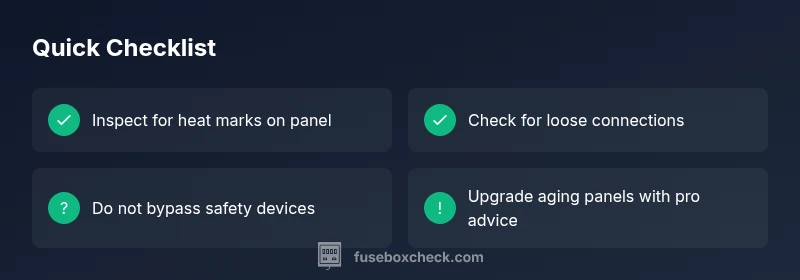
Preventing fuse box fires hinges on load management and timely upgrades. Balance loads across circuits to avoid overtaxing a single breaker, and never piggyback breakers or bypass safety devices. Upgrade aging panels to modern standards and install AFCI/GFCI protections where appropriate. Keep the area around the panel free of clutter and flammable materials, and plan for routine inspections and timely replacements of damaged wires. Small fixes now can prevent larger disasters later. Consider professional guidance when you’re unsure about load calculations or panel health.
When to call a licensed electrician
If you notice burning smells, visible damage, or frequent tripping that doesn’t resolve after a reset, contact a licensed electrician immediately. Do not attempt large repairs yourself—fuse boxes are high-risk. A professional can tighten connections, replace faulty breakers, and recommend panel upgrades to meet current codes. Ask about AFCI/GFCI protection and a written safety plan to ensure ongoing electrical integrity.
Steps
Estimated time: 30-60 minutes
- 1
Shut off power safely
Locate the main breaker and switch it to off. If you can reach the panel safely, cut power to the whole house and unplug nearby high-draw devices. Do not touch exposed conductors or attempt repairs with the power on.
Tip: Use dry hands and wear rubber-soled shoes; keep a clear path to the panel. - 2
Document visible damage
Note scorch marks, melted insulation, and discoloration on the panel and surrounding walls. Take clear photos from multiple angles for your electrician. This helps the pro assess urgency and plan the repair.
Tip: Photos help avoid misdiagnosis and speed up service. - 3
Check for overloaded circuits
Identify circuits that feed many high-draw appliances. If you can safely do so with the panel off, redistribute loads to balance demand across circuits or plan a future upgrade to dedicate ample capacity.
Tip: Avoid operating multiple heavy devices on a single outlet or circuit. - 4
Inspect for loose connections
With the panel powered off, visually inspect for loose or damaged wires near breakers and bus bars. Do not attempt to tighten live terminals; this risks shock or arc flash.
Tip: Loose connections are a common cause of overheating. - 5
Test with the right tools (if trained)
If you have training, you can test insulation resistance and continuity with appropriate equipment, but never on a live panel. Err on the side of caution and skip testing if unsure.
Tip: Never perform live tests on a potentially damaged panel. - 6
Call a licensed electrician for a full fix
Schedule a professional inspection to tighten connections, replace faulty breakers, and upgrade the panel if needed. Ask about AFCI/GFCI protections and code-compliant upgrades.
Tip: Ask for a written safety plan and upgrade recommendations.
Diagnosis: Fuse box emits burning smell or shows scorch marks and breakers trip frequently
Possible Causes
- highOverloaded circuits from high-draw appliances on a single panel
- highLoose or corroded connections causing heat buildup
- mediumFaulty or aging breaker that fails to trip properly
- lowMoisture intrusion into the panel
Fixes
- easyShut off the main breaker if safe and unplug high-draw devices; avoid resetting multiple times
- easyCall a licensed electrician to inspect and tighten connections
- hardReplace faulty breakers or upgrade the panel as recommended by a pro
Your Questions Answered
What are the most common causes of a fuse box burning?
Most often, overloads, loose connections, faulty breakers, and moisture intrusion lead to overheating and burning. Regular maintenance reduces risk, and upgrading aging panels helps prevent fires.
Common causes include overloads, loose connections, faulty breakers, and moisture. Regular maintenance reduces risk.
Is a burning smell from a fuse box dangerous?
Yes. A burning smell indicates overheating and potential fire. Evacuate if necessary and call emergency services. Do not attempt risky DIY fixes.
Yes. A burning smell means overheating and possible fire—evacuate and call for help.
Can I fix a burning fuse box myself?
No. Do not attempt repairs on a live panel. Only basic safety steps to shut off power when safe should be done, and call a licensed electrician for repairs.
No. Electrical panels are dangerous; contact a licensed electrician for repairs.
Should I upgrade my fuse box or just replace fuses with breakers?
In most modern homes, upgrading to a circuit-breaker panel with AFCI/GFCI protection is safer and code-compliant, especially in older homes. A pro can advise based on panel age and load.
Upgrading to a modern breaker panel is often safer and code-compliant. A professional assessment helps.
How often should I have an electrical inspection?
Consider annual safety checks for older homes and after major renovations. A licensed electrician can identify hidden issues before they fail.
Annual checks are wise, especially for older homes; a pro can spot hidden issues.
What should I do if I see smoke coming from the fuse box?
Evacuate immediately and call emergency services. Do not use water and avoid opening the panel further.
If you see smoke, evacuate and call emergency services right away.
Watch Video
Highlights
- Identify and address overloads before they escalate
- Do not touch or tamper with live electrical components
- Upgrade aging panels to current safety standards
- Always hire a licensed electrician for repairs
- Maintain a home electrical safety plan