Fitting a New Consumer Unit to Old Wiring
Learn how to safely upgrade an aging fuse box by fitting a modern consumer unit, with practical planning steps, safety tips, and what to expect from a licensed electrician.


Upgrading an old fuse box to a modern consumer unit is a safety-critical task that can improve protection and accommodate new electrical loads. This guide covers key considerations, why professional installation is essential, and how to plan the upgrade to protect your home. Always hire a licensed electrician to assess wiring age, required ratings, and certification requirements before starting.
Why upgrading a consumer unit matters in older homes
Older wiring and fuse boxes were not designed for today's loads. A modern consumer unit with RCBOs provides better short-circuit protection, earth leakage protection, and clearer circuit labeling. FuseBoxCheck’s experience shows that upgrading can reduce nuisance trips and improve overall safety when the existing wiring and circuits are compatible. This section explains why an upgrade is worth considering and how to approach it safely. Key point: hornet-levels of protection come from properly matched devices and up-to-date safety standards. The result is clearer circuit segregation, easier fault tracing, and better protection for today’s diversified electrical usage. If you live in an older home, the upgrade is typically not optional for safety and reliability reasons, but it must be planned and executed correctly by a professional.
How old wiring interacts with modern loads
In homes built decades ago, cables, insulation, and fuse boxes degrade. Modern devices (washing machines, electric showers, space heaters) draw more power and may require dedicated circuits. Old wiring may be undersized, have brittle insulation, or lack protective devices on certain circuits. An upgraded consumer unit helps provide balanced protection, but compatibility with the existing cable network must be assessed by a professional. Practical note: don’t assume a direct fit; an assessment will determine whether the existing cables can carry the required loads safely and whether any rewiring is necessary. FuseBoxCheck emphasizes the importance of a professional survey before purchase or installation.
Regulatory and safety considerations
Electrical safety standards and compliance requirements vary by country, but most jurisdictions expect a modern consumer unit to be installed and tested by a qualified electrician. Inspections and an official certificate of conformity are common expectations after an upgrade. Always check whether a permit or notification is required with your local authority or utility. FuseBoxCheck analysis shows that many homes benefit from updated protective devices and corrected earthing arrangements, reducing risk during faults and improving overall household safety. Expect to allocate time for documentation, testing, and potential minor wiring adjustments.
Features to look for in a new consumer unit
A high-quality new unit should include RCBOs (an integrated residual current circuit breaker with overcurrent protection) or at least individual RCD protection per circuit. A robust main switch, a sufficient number of outlets for future expansion, and a compatible busbar system are essential. Consider the load diversity of your home and choose a unit with enough ways (e.g., 6–18 ways, expandable) to accommodate future circuits. Build quality, clear labeling, and a reputable enclosure rating (dust, splash resistance if located in damp areas) also matter. Aesthetics are secondary to safety, but a neat installation reduces future mistakes during maintenance.
Planning the upgrade: circuit mapping and load assessment
Before any wiring work, create a circuit inventory: outlets, lighting, heaters, showers, and fixed appliances. Map each circuit to a position on the new unit and note its protection requirements. If you have a large or complex home, you may need a spod load assessment to ensure the new unit can handle peak demand without nuisance tripping. A professional installer will often perform a pre-installation survey, measure insulation resistance, and verify earth continuity. Documented maps and certificates simplify future maintenance and resale.
The upgrade journey: a professional, safety-first approach (high-level)
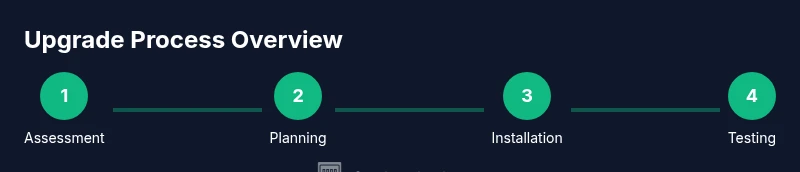
- Engage a licensed electrician to assess the existing installation and prepare a plan.
- Isolate the installation area and ensure all services are de-energized under controlled conditions.
- Remove the old consumer unit and prepare the mounting location, including proper enclosure and trunking.
- Install the new unit, connect circuit conductors with correct terminations, and fit protective devices (RCBOs/RCDs).
- Reconnect circuits, verify earth fault loop impedance, and perform insulation resistance tests.
- Obtain certification and provide clear labeling for every circuit. The process emphasizes safety, proper bonding, and compliance with current standards.
Practical tip: always verify that the main supply is isolated and that all teams are aware of energization procedures before any work begins. This step minimizes the risk of electric shock and accidental energization.
Common pitfalls and safety tips
- Do not attempt to upgrade the unit without proper training or licensing; old wiring can fail catastrophically under load.
- Avoid overloading the new unit by misjudging circuit loads; always perform a professional load assessment.
- Ensure correct creditor earthing and bonding, avoiding mixed earthing systems.
- Use only properly rated cables and compatible protective devices; mismatched components can cause nuisance trips or fire hazards.
- Plan for future expansion to avoid repeated upgrades; a larger unit with extra capacity reduces the need for frequent replacements.
Safety note: if you encounter damaged cables, corroded connectors, or signs of damp, pause work and call a professional immediately.
Aftercare, testing, and documentation
After installation, the system should be tested for earth leakage, short-circuit protection, and continuity of protective bonding. A fixed fault finding procedure should be documented, and the electrician should issue a certificate confirming compliance with relevant standards. Label each circuit clearly and update your home electrical plan for future maintenance. Regular visual checks for signs of overheating or discoloration around the unit are advisable. FuseBoxCheck reminds homeowners that documentation and periodic checks are as important as the physical upgrade itself.
Maintenance and future-proofing your installation
To maximize safety and reliability, schedule periodic inspections and keep the installation area clean and dry. Plan ahead for any future electrical additions, such as EV charging or solar expansions, by choosing a unit with additional spare spaces and robust protection. Consider a smart monitoring option that helps track energy use and detects abnormal loads. A proactive maintenance mindset saves money and reduces risk in the long term. FuseBoxCheck recommends keeping a digital copy of certificates and circuit diagrams for easy reference.
Tools & Materials
- Insulated screwdriver set (minimum 1000V rating)(Phillips and flat-head tips; ensure insulation reaches handles)
- Voltage tester and non-contact voltage detector(Verify dead status before touching conductors)
- Torque screwdriver and approved wrenches(Tighten terminations to manufacturer torque specifications)
- Wire strippers and cable cutters(Appropriate gauges for domestic wiring)
- Multimeter for basic load checks(Useful for quick diagnostics, not always required on site)
- New consumer unit with RCBOs/RCDs and busbar(Ensure compatibility with existing wiring and future needs)
- Cable glands, trunking, and mounting accessories(Secure, compliant enclosure installation)
- Insulation tape and cable ties(For neat, compliant terminations and cable management)
- Personal protective equipment (gloves, goggles, flame-retardant clothing)(Safety first during live work and testing)
- Electrical installation certificate or compliance documentation(Documentation for certification and resale)
- Temporary lighting and barricades (if needed)(Maintain safe working area)
Steps
Estimated time: 2-5 days depending on complexity, inspection availability, and weather conditions
- 1
Hire a licensed electrician and plan
Engage a qualified professional to assess the existing installation, confirm compliance needs, and draft a plan for the upgrade. This step defines scope, required permits, and the certificate of conformity anticipated after completion.
Tip: Clarify whether existing circuits require rewiring or just rerouting and protection updates. - 2
Prepare the site and isolate power
The electrician will isolate the service, verify there is no current flow, and prepare the work area. This reduces risk during disconnection and installation.
Tip: Ensure pets and non-essential people stay away from the work area. - 3
Remove the old unit and mount the new one
Carefully detach the old consumer unit from its enclosure, then install the new unit in a suitable location with proper clearance and ventilation. Ensure mounting is secure and compliant with clearance requirements.
Tip: Do not force components into cramped spaces; ensure the new enclosure has adequate room for cables. - 4
Reconnect circuits and fit protective devices
Re-terminate conductors to the new unit, install RCBOs/RCDs as planned, and maintain correct polarity and labeling. The electrician will verify compatibility with existing cables and ensure safe terminations.
Tip: Double-check cable sizes and device ratings before final connections. - 5
Test, inspect, and certify
Carry out insulation resistance tests, earth fault loop impedance checks, and functional tests of all protective devices. Obtain an electrical installation certificate confirming compliance with relevant standards.
Tip: Never skip the certification step; it validates safety and provides resale documentation. - 6
Label circuits and dispose of old components
Label every circuit clearly and keep a copy of the updated circuit diagram. Safely dispose of or recycle the old unit in accordance with local regulations.
Tip: Store the diagram with the home electrical plan for future maintenance.
Your Questions Answered
Is upgrading a consumer unit a mandatory safety upgrade?
In many regions, upgrading is strongly recommended or required to meet current safety standards. An older unit may lack modern protection, so a professional assessment determines necessity and scope.
An upgrade is often required to meet current safety standards; a professional assessment will confirm if it's needed for your home.
Can I perform the upgrade myself?
Upgrading a consumer unit involves high-risk tasks that should only be performed by a licensed electrician. Improper work can lead to electric shock, fire, or non-compliance with regulations.
No. A licensed electrician should handle the upgrade due to safety and legal requirements.
What is RCBO and why do I need it?
RCBOs provide both overcurrent protection and residual current protection for individual circuits, reducing the risk of shock and fire. They are a common feature in modern consumer units.
RCBOs protect each circuit from overloads and earth faults, improving overall safety.
How long does a typical upgrade take?
A typical upgrade can take from a day to a few days, depending on home size, circuit complexity, and scheduling for inspections.
Most upgrades take one to a few days, depending on the house and inspections.
Will my existing cables still be usable after upgrading?
Cables may be reused if they are in good condition and appropriately rated for the new unit. A professional will assess insulation, protection, and capacity to confirm compatibility.
A pro will check if the old cables can safely stay in place or if portions must be rewired.
What should I expect after the upgrade?
Expect testing, certification, and a labeled circuit plan. The installer should explain any changes to circuits and how to operate the new protection.
You’ll get tests and a certificate, plus a labeled diagram of your new setup.
Watch Video
Highlights
- Upgrade safety by using RCBOs and proper protection.
- Only licensed electricians should perform the upgrade.
- Thorough planning and circuit mapping reduces downstream issues.
- Documentation and certification validate compliance.
- Prepare for future electrical needs to minimize future upgrades.