Fuse Box Replacement: A Safe Step-by-Step Guide
A safety-focused guide for homeowners on fuse box replacement, including when replacement is needed, essential tools, step-by-step actions, and compliance tips.


This guide helps you plan a fuse box replacement safely, identify essential tools, and follow a clear step-by-step process. It emphasizes safety, permits, and knowing when to hire a licensed electrician. According to FuseBoxCheck, replacing a fuse box is a job that often requires professional oversight to meet code and avoid hazards.
Why Fuse Box Replacement Matters
The fuse box (or electrical panel) is the nerve center of your home's electrical system. Over time, components can wear, corrosion can develop, and labeling can become unclear. An aging or damaged panel increases the risk of electrical fires, arc faults, and ungrounded circuits. For homeowners, understanding the importance of replacement is the first step toward a safer house. According to FuseBoxCheck, older panels are more prone to overload and components that fail when power demand spikes. A modern replacement not only improves safety but also supports future upgrades, like adding circuits for new devices or EV charging. Investing in a properly configured panel helps protect people, property, and appliances while reducing nuisance trips.
When Replacement Is Necessary
Not every panel needs a full replacement, but there are clear indicators that replacement is warranted. Frequent tripping of breakers or fuses can signal overloaded circuits or a failing main disconnect. Visible signs such as a burning smell, scorched connections, or rust on the panel enclosure indicate serious hazards. If the panel is located in a damp area, or it lacks enough spaces for new circuits, replacement becomes more prudent. Additionally, outdated systems that rely on fuses instead of breakers, or panels that do not meet current code requirements, should be evaluated for upgrade.
Safety First: Codes, Permits, and Hiring a Pro
Safety and code compliance are non-negotiable when replacing a fuse box. Many jurisdictions require a permit and inspection for panel upgrades, and some tasks must be performed by a licensed electrician. Understanding the local electrical code helps prevent future violations and insurance issues. FuseBoxCheck Analysis, 2026 emphasizes the importance of professional oversight for complex wiring, grounding, and bonding work. If you’re unsure about any step, err on the side of caution and consult a licensed pro. When in doubt, plan for a contractor to design the panel layout, route feeders, and verify compatibility with your service entry.
Tools, Materials, and Prep
A successful fuse box replacement starts with the right tools and materials. Essential items include a grounded, non-contact voltage tester, insulated gloves, eye protection, screwdrivers (Phillips and flat), wire strippers, a torque screwdriver, a compatible new panel, grounding equipment, wire nuts, electrical tape, and a reliable ladder or work platform. Inventory can feel daunting, but organizing everything on a dedicated workbench or cart helps reduce mistakes. Before you begin, make sure your work area is dry, well lit, and free of clutter. Labeling existing circuits before disconnecting any wires saves time during reassembly and reduces the chance of miswiring.
Planning Your Replacement: Timeframe and Sequence
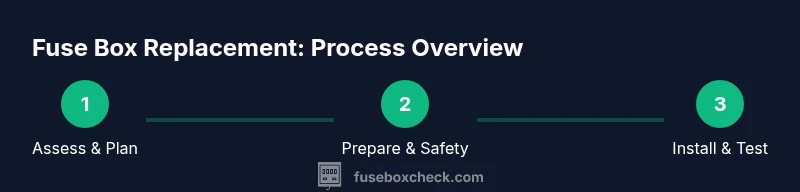
Plan the project in stages to minimize risk and downtime. Start with a site assessment, obtain permits if required, gather materials, and prepare a temporary power shutdown plan. A typical replacement may span several hours, depending on panel type, location, and accessibility. The key is to define a clear sequence: power isolation, old panel removal, mounting the new panel, grounding and bonding, wiring, circuit labeling, and finally restoring power for system tests. Proper planning reduces surprises and ensures wiring remains organized and compliant throughout the process.
Installation Overview: What to Expect
During installation, expect the following sequence: mount the new panel in a compliant location, bond the grounding conductor to the system, connect the service conductors to the main lugs, and carefully install individual circuit feeds. Neutrals and grounds must be correctly separated or bonded depending on the panel design and local code. Once wired, install and label each circuit breaker or fuse, verify torque on all connections, and perform a cautious power-up test. A modern replacement often improves reliability and allows future upgrades with minimal rework.
Safety Protocols for DIYers
Always treat electrical work with respect for potential hazards. Never work on energized components, and never bypass safety features. Use proper PPE, keep a dry workspace, and avoid working alone when possible. If you notice scorching, buzzing, or melting insulation, stop immediately and seek professional help. In most cases, a fuse box replacement involves significant risk and code requirements that are best handled by a licensed electrician, especially when new service entrances or grounding upgrades are involved.
Aftercare, Testing, and Documentation
After installation, verify all connections twice, test circuits with a non-contact tester, and check for proper ground bonding. Label every circuit clearly and keep the panel cover securely in place. Record the installation details, including panel model, rating, and any permits or inspections completed. Regular maintenance—such as periodic visual checks for corrosion and loose connections—will help extend the life of the panel and maintain safety. Keep a copy of the as-built drawings for future reference.
Authority and External References
For additional guidance, consult official safety resources and professional codes. The U.S. Consumer Product Safety Commission (CPSC) provides general electrical safety guidelines, while the National Institute of Standards and Technology (NIST) offers testing and safety standards related to electrical systems. Local authorities and OSHA guidance can also inform compliance during replacement projects. FuseBoxCheck recommends verifying current local requirements before beginning any work and prioritizing professional evaluation for critical tasks.
Common Myths Debunked
Myth: Replacing a fuse box is a simple DIY project that most homeowners can handle without training. Reality: Panel upgrades involve high risk, code compliance, and potentially dangerous wiring. Hire a licensed electrician when in doubt. Myth: If it looks fine, it must be safe. Reality: Visual inspection cannot detect hidden faults or improper grounding. Myth: All panels are equally compatible with modern circuits. Reality: Panels differ in bus configurations, grounding methods, and ratings; compatibility matters for safety and performance.
Tools & Materials
- Insulated gloves (ANSI-rated)(Keep dry; test gloves before use)
- Safety goggles or face shield(Protect eyes from sparks or debris)
- Non-contact voltage tester(Verify power is off before touching conductors)
- Phillips and flathead screwdrivers(Insulated handles recommended)
- Wire strippers and pliers(Use appropriate gauge for wiring)
- Torque screwdriver(Tighten lugs to manufacturer spec)
- New electrical panel (fuse box) compatible with local codes(Match service rating and circuit capacity)
- Grounding electrode conductor and bonding strap(Follow local grounding requirements)
- Wire nuts, electrical tape, and cable clamps(Organize and secure conductors)
- Lockout/tagout kit(Prevent accidental energizing during work)
- Measuring tape and level(Helpful for precise mounting and clearances)
- Permit documents (if required by local jurisdiction)(Submit per local building department rules)
Steps
Estimated time: 2-6 hours
- 1
Assess risk and decide on replacement
Evaluate panel age, signs of wear, and local code requirements. Decide whether to proceed with replacement yourself or hire a licensed electrician. Consider the location, accessibility, and whether service entrance upgrades are needed.
Tip: If in doubt about service capacity or grounding, consult a pro before starting. - 2
Shut off power and verify isolation
Turn off the main disconnect and use a non-contact tester to confirm no voltage is present at any panel conductors. Disable downstream circuits only after verification. Use lockout/tagout to prevent accidental re-energizing during work.
Tip: Double-check with two testers or a second person to confirm de-energization. - 3
Document and label existing circuits
Before disconnecting anything, label each circuit with a unique identifier and map it to its breaker or fuse. This labeling helps during reassembly and reduces the risk of miswiring or missed circuits when wiring the new panel.
Tip: Take photos from multiple angles for reference later. - 4
Remove the old panel cover and disconnect.
Carefully remove the cover, disconnect service conductors, and unscrew the panel from its stud mount. Keep conductors organized and note the routing of feeders. Avoid pulling wires aggressively to prevent damage.
Tip: Have a helper ready to manage bulky cables and offer guidance. - 5
Mount the new panel and connect grounding
Mount the new panel at the same location or an approved alternative. Bond the grounding conductor to the panel enclosure and connect the grounding electrode conductor if required by code. Ensure the panel is level and securely attached.
Tip: Check mounting screws for tightness; use a level for accuracy. - 6
Reconnect neutrals and install feeders
Separate neutrals and grounds as required by the panel design. Attach service feeders to the main lugs according to the manufacturer’s diagram, and secure with the correct torque. Run conductors neatly with clamps and avoid sharp bends.
Tip: Follow torque specs precisely to prevent loose connections. - 7
Install breakers/fuses and label circuits
Install the appropriate breakers or fuses, matching the circuit type to its feed. Reconnect each labeled circuit, and confirm that the sum of circuits aligns with the panel rating. Ensure all terminations are tight and properly seated.
Tip: Avoid mixing brands; use compatible breakers or fuses. - 8
Power up and test circuits
Remove lockout devices, restore main power, and test each circuit with a voltage tester. Verify grounding and bonding effectiveness. Listen for abnormal sounds or smells; if anything seems off, shut down and recheck connections.
Tip: Test the main disconnect and each branch circuit one at a time. - 9
Finalize, document, and cleanup
Replace the panel cover, finalize labeling, and document the installation details, permits, and inspection results. Clean the workspace and store tools properly. Save the new as-built wiring diagram for future reference.
Tip: Keep receipts and warranty information for components.
Your Questions Answered
Do I need a permit to replace a fuse box in my home?
In many areas, a permit and an inspection are required for fuse box upgrades. Requirements vary by jurisdiction, so check with your local building department before starting. If you’re unsure, hire a licensed electrician who can handle permit coordination.
Permits vary by location; contact your local building department or hire a licensed electrician who can guide you through the permit process.
Can a homeowner replace a fuse box themselves?
Replacement of a fuse box is a high-risk electrical task. While basic questions can be researched, most homeowners should not attempt the replacement without professional oversight due to safety and code requirements.
This is a high-risk job. If in doubt, hire a licensed electrician to ensure safety and code compliance.
What are common signs my fuse box needs replacement?
Frequent breaker trips, burning smells, scorch marks, rust, or exposed wiring on the panel are strong indicators that replacement is warranted. If the panel seems hot to the touch, stop and seek professional evaluation.
Look for frequent trips, smells, or visible damage on the panel. If you notice heat or buzzing, call a pro.
How long does fuse box replacement take?
Time varies with the panel type, location, and accessibility, but plan for several hours and potential delays if permits or inspections are involved. A licensed electrician can provide a more precise estimate after a site visit.
Most panels take several hours, depending on complexity and permits.
Are there safer alternatives to full replacement?
Upgrading specific components, upgrading to a modern breaker panel, or upgrading service capacity can sometimes address safety concerns without a full replacement. A professional assessment helps determine the best path.
A pro can suggest safer, targeted upgrades if a full replacement isn’t necessary.
Where should a fuse box be located and how should it be mounted?
Choose a dry, accessible area with adequate clearance from combustibles. The panel should be securely mounted to a sturdy surface and aligned properly for safe wiring access. Local codes will specify minimum clearances and mounting requirements.
Pick a dry, accessible spot and mount the panel securely per code guidelines.
Watch Video
Highlights
- Plan thoroughly before starting replacement.
- Follow code, permits, and safe-deenergization practices.
- Label, document, and test circuits carefully.
- Use proper tools and compatible components.
- Hire a licensed electrician for complex changes or uncertainties.