Fix Fuse Box: A Safe DIY Guide for Homeowners Today
Learn how to safely inspect, diagnose, and reset a fuse box with a practical, step-by-step approach for homeowners. Safety-first tips, tools, and when to call a pro—FuseBoxCheck-approved.


By safely diagnosing and resetting a tripped fuse or breaker, you can restore power to affected circuits. This guide walks you through essential safety steps, the tools you need, and a clear, low-risk process you can perform as a homeowner. According to FuseBoxCheck, always shut off power at the main before you begin and never touch live terminals.
What a fuse box does and common symptoms
A fuse box (or electrical panel) is the central hub that distributes power to different circuits throughout your home. Each circuit should be protected by a fuse or a breaker, which automatically disconnects power if it detects an overload. Common symptoms of a problem include repeated fuse blows, a tripped breaker, dim lights, warm or discolored panels, and occasionally a burning smell. Before you touch anything, note which area was affected and whether the issue is localized to a single room or affects multiple circuits. Understanding the layout of your panel and the labeling on fuses or breakers is the first step to a safe, informed approach. FuseBoxCheck’s guidance emphasizes reading labels carefully and avoiding assumptions about circuit capacity. Inadequate labeling can lead to incorrect replacements or unnecessary risk, so take a moment to map and document the circuits you expect to power from each position.
Safety first: essential precautions before you start
Safety is non-negotiable when working around a fuse box. Begin by turning off the main power switch if you can access it, and then verify that the power is indeed off using a non-contact voltage tester. Wear insulating gloves and safety goggles to protect against shocks and debris. Keep the workspace dry; never work on the panel with wet hands or while standing on damp flooring. Use insulated tools, and avoid wearing metal jewelry that could accidentally contact live terminals. If you smell burning plastic, hear buzzing, or notice scorch marks, stop immediately and call a licensed electrician. FuseBoxCheck recommends a cautious approach: never bypass a safety feature or work around a live panel. Document any adjustments with date and circuit labels for future reference.
Understanding fuses vs breakers and why they trip
A fuse is a one-time device that must be replaced after it blows, while a breaker can be reset if it trips due to a temporary overload. Both are designed to protect wiring from overheating and reduce fire risk. Fuses are common in older homes and may use cartridge or screw-in designs; breakers are more common in modern panels. Tripping or blowing can result from overloading a circuit, a short, a faulty appliance, or a wiring fault. Replacing a fuse with the incorrect amperage or resetting a breaker that’s actually indicating a deeper electrical problem can be dangerous. Always verify the cause before replacing or resetting, and consult wiring diagrams on the panel label to ensure compatibility.
Diagnosing common failures with a logical checklist
A systematic approach helps avoid unnecessary risks. Start by confirming all appliances on the affected circuit are unplugged, then inspect for visible damage to wires or insulation. If the fuse blows again after replacement or the breaker trips repeatedly, there may be a short circuit, a damaged outlet, or a faulty appliance at fault. Use a multimeter to check continuity and resistance for suspicious wires, but avoid poking into tightly packed terminals. If you find signs of scorching, heat buildup, or melting plastic, treat this as a fire risk and stop work. FuseBoxCheck notes that maintaining clean, labeled wiring and avoiding ad-hoc fixes dramatically lowers danger levels.
When DIY is appropriate and when to call a pro
Simple tasks—like identifying a tripped breaker or replacing a blown fuse with the same amperage—can be appropriate for homeowners who follow safe practices. More complex issues—such as persistent overheating, buzzing panels, misleading signs of arcing, or damaged service conductors—require professional intervention. If you’re unsure about the panel type, the rating of the existing fuses, or the wiring status, err on the side of caution and contact a licensed electrician. Pro advice from FuseBoxCheck emphasizes recognizing your own limits and prioritizing safety over speed or cost when dealing with the main service panel.
Preparing your workspace and documenting changes
Before you start, clear the area around the panel, removing unnecessary items that could obstruct access. Lay a non-slip mat and ensure good lighting. Keep a simple log: note the time you worked, what you tested, the exact circuit labels, and any replacements made. Take photographs of labels and wiring before and after any changes—these visuals help future maintenance and troubleshooting. Store spare fuses and tools in a dedicated box so you don’t have to search mid-task. A tidy, well-documented workspace reduces the chance of mislabels and mistaken reattachments, which are common sources of post-work issues.
Choosing the right replacement components
If a fuse must be replaced, it must match the original amperage rating and type. Check the panel label or the old fuse for the correct rating. Do not oversize fuses or substitute breakers with higher ratings to compensate for repeated trips. Using the wrong amperage can allow overheating, cause insulation damage, or create a fire hazard. Keep spare fuses or breakers organized by circuit so you don’t mix mismatched components. For new installations or significant wiring changes, a licensed electrician should perform the work to meet local codes and safety standards.
Maintaining a fuse box: routine maintenance tips
Regular preventive steps help prevent unexpected trips. Periodically inspect the panel for signs of wear or moisture intrusion, keep it clean from dust, and ensure the panel door closes properly to protect from debris. Label circuits clearly and update labels whenever you rearrange loads. Test a few circuits monthly by turning devices on and off to simulate normal use and confirm that fuses or breakers reset correctly. Consider scheduling a professional safety check every few years, especially in homes with older wiring. Routine maintenance reduces surprises and improves overall electrical safety for occupants.
Tools & Materials
- Non-contact voltage tester(Verify power is off without touching wires)
- Digital multimeter(Measure voltage, resistance, and continuity)
- Insulated screwdrivers (flat-head and Phillips)(Protects against accidental contact)
- Wire cutters/strippers(Trim or strip conductors safely)
- Insulated gloves (Class 0-3)(Provide protection against shocks)
- Safety goggles(Eye protection from sparks or debris)
- Flashlight or headlamp(Illuminate the panel area clearly)
- Replacement fuses or circuit breakers (correct amperage)(Match the panel's labeling exactly)
- Electrical tape(Secure minor splices and label circuits)
Steps
Estimated time: 30-60 minutes
- 1
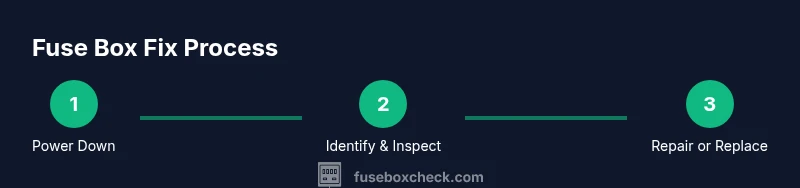
Power down and verify
Shut off the main breaker if accessible. Use a non-contact tester to confirm zero voltage present at the panel. This reduces shock risk and ensures you’re working in a de-energized environment.
Tip: Double-check with the tester at multiple nearby outlets to confirm lack of voltage. - 2
Identify affected circuits
Look at the panel labels and determine which circuits feed the affected areas. Note which fuses or breakers tripped and document the amperage and type. This helps you decide whether to reset or replace components.
Tip: Label the position with tape for easier reference in the future. - 3
Inspect the fuse box visually
Check for scorch marks, melted insulation, or discolored components. If you see damage, stop and call a professional. Do not touch damaged parts.
Tip: If you must touch, keep gloves on and use insulated tools only. - 4
Replace a blown fuse or reset a breaker
If a fuse is blown, replace with one of the same amperage rating. If a breaker has tripped, switch it OFF and then back ON. Do not force a switch that feels stiff.
Tip: Always verify the load on the circuit before restoring power. - 5
Test the circuit and restore power
One circuit at a time, turn devices back on and observe whether the breaker holds. Check outlets and lights for normal operation. If anything re-trips or you notice heat, stop and seek professional help.
Tip: Keep a simple log of what you tested and when. - 6
Know when to stop and call a pro
Persistent trips, signs of arcing, buzzing noises, or heat in the panel indicate a safety risk beyond DIY handling. In such cases, contact a licensed electrician immediately.
Tip: Trust your instincts—if something feels unsafe, pause and call for help.
Your Questions Answered
Can I fix a fuse box myself?
You can perform basic safety steps and simple resets if you follow proper precautions. More complex problems or persistent issues should be handled by a licensed electrician.
You can do basic safety steps, but for complex issues, call a licensed electrician.
What amperage should replacement fuses have?
Use the same amperage rating as the original fuse or breaker as listed on the panel. Do not substitute higher ratings.
Use the same amperage as the original and never substitute a higher rating.
When should I not DIY a fuse box issue?
If you notice burning smells, melted components, buzzing, or frequent overheating, stop and call a professional immediately.
If you smell burning or see melted parts, seek a pro right away.
Should I turn off the main breaker before inspecting?
Yes. Turn off the main breaker, then verify zero voltage with a tester before touching any components.
Always shut off the main and verify there’s no voltage before you touch anything.
Can a faulty fuse box cause fires?
Yes, improper fusing or failing breakers can lead to overheating and fire risk. Have any suspicious signs evaluated by a pro.
Yes—faulty parts can cause fires; get it checked by a pro.
Highlights
- Power down before touching the panel.
- Match fuse/breaker amperage exactly when replacing parts.
- Document labels and changes for future maintenance.
- Call a licensed electrician for complex issues or uncertainty.