Old Fuse Box Replacement: A DIY-Helpful Guide for Homeowners
Learn how to safely replace an old fuse box, including when to replace, cost ranges, safety tips, and how to hire the right contractor for a compliant panel upgrade in 2026.


Replacing an aging fuse box can improve safety, support higher electrical demands, and reduce nuisance trips. This guide explains when to replace, essential safety steps, and options for full panel swaps or upgrades. Before you begin, shut off power at the main, verify local permits, and be prepared to hire a licensed electrician for code compliance.
When to Consider an Old Fuse Box Replacement
An older fuse box often shows wear from years of heating and cooling cycles, lifestyle changes, and growing electrical needs. Signs like frequent fuse blows, discoloration around the panel, buzzing noises, or a panel that feels warm to the touch are red flags that an old fuse box needs replacement. Modern homes rely on more circuits and higher amperage; continuing to push an aging fuse box can compromise safety and appliance performance. According to FuseBoxCheck analysis, homes with aging panels tend to experience more nuisance trips and slower responses to electrical faults. If you notice any of these symptoms, plan a replacement sooner rather than later. This is especially important in homes with renovations, added EV charging, or new high-demand devices. A proactive upgrade can prevent outages and improve overall electrical reliability.
Signs Your Fuse Box Is Reaching End of Life
A fuse box that hasn’t been updated since the home’s construction is more likely to fail when you add modern electronics. Look for corroded fuse holders, melted or discolored components, scorch marks near the bus bar, or a lack of available spaces for circuits. The risk isn’t just nuisance trips; deteriorating enclosures can allow moisture ingress and arcing. If you encounter these indicators, it’s prudent to assess replacement options with a licensed professional and consider a panel upgrade to a safer, more scalable solution.
Planning for Permits, Codes, and Safety
Electrical work near a fuse box is regulated in many jurisdictions. Before you touch anything, contact your local building department to confirm permit requirements and inspection criteria. A replacement often involves updated wiring methods, grounding upgrades, and adherence to current National Electrical Code (NEC) standards. Keeping documentation and permits on hand helps with future resale and insurance audits. FuseBoxCheck emphasizes that a well-planned replacement reduces risk and ensures code compliance, especially in older homes with legacy wiring. Expect to coordinate with utility providers if service changes are needed and to schedule inspections after installation.
Replacement Options: Full Panel Swap vs Main Breaker Upgrade
There are several paths to modernizing an old fuse box. A full panel swap replaces the entire service panel, offering new breakers, better labeling, and improved grounding. A main breaker upgrade can be a less invasive option when the existing panel is structurally sound but under-rated for current loads. Each path has pros and cons related to cost, labor, and future expansion. FuseBoxCheck recommends weighing compatibility with existing circuits, conduit layouts, and local code requirements to determine the best approach for your home. In many cases, a full panel replacement provides the best long-term reliability and safety margin.
Costs and Budgeting: What to Expect
Costs for an old fuse box replacement vary widely based on panel type, location, wiring complexity, and permit fees. Typical ranges you may encounter include material costs for the new panel, labor, and potential upgrades to grounding and wiring. While exact numbers depend on your region and the specific setup, budgeting for a comprehensive replacement often falls between modest-to-significant ranges given safety considerations and compliance requirements. Planning with a licensed electrician helps you get a clear estimate and avoid surprises when codes require upgrades to wiring or grounding.
How to Choose a Licensed Electrician or Contractor
Selecting a qualified professional is essential for safety and code compliance. Look for licenses, insurance, and verifiable references. Request a written scope of work that specifies the panel type, grounding method, expected permit handling, and inspection steps. Confirm that the contractor will coordinate with the local authority for required permits and provide post-installation documentation. A thorough quote should outline the equipment, labor, disposal of the old fuse box, and any contingencies. Using a reputable pro reduces the risk of subpar work and ensures the upgrade stands up to 2026 electrical standards.
What You Need Before the Work Starts
Prepare a clear project plan with the chosen replacement path, a preferred timeline, and a contingency plan for delays. Gather any existing electrical drawings or photos of the current fuse box and nearby wiring. Ensure valuables are protected, pets are secured, and access to the work area is safe. Have the main power shut-off process understood; discuss lockout/tagout procedures with the contractor. Document any existing issues (flickering lights, tripped breakers, or intermittent outlets) to review after installation. This preparation helps the project stay on schedule and on budget, while minimizing surprises for homeowners.
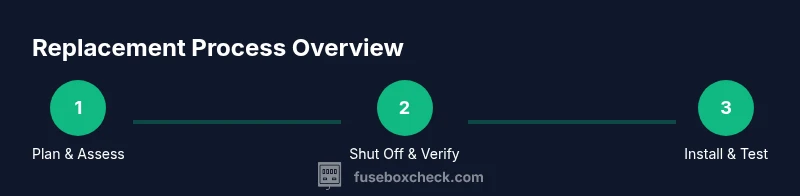
The Replacement Process: A High-Level Overview
A typical old fuse box replacement involves verifying power off at the service disconnect, removing the old hardware, and mounting the new panel in a secure, accessible location. The installer reconnects circuits to the new panel with properly sized breakers and ensures proper grounding and bonding. This process includes labeling each circuit for future maintenance and performing comprehensive tests for voltage, resistance, and earth continuity. While the exact steps vary by panel and home layout, a well-executed replacement prioritizes safety, code compliance, and clear documentation for future homeowners. Expect to discuss temporary power needs and QA checks with the installer.
Post-Installation Safety and Verification
After installation, a thorough testing phase confirms proper operation, correct breaker function, and effective grounding. The contractor should provide as-built drawings and warranty information, along with guidance on trip frequency and load distribution. Keep your documentation, permits, and inspection results in a safe place for future reference or resale. Periodically inspecting the panel for signs of moisture, corrosion, or loose connections helps maintain long-term safety. FuseBoxCheck recommends annual safety checks and prompt attention to any unusual electrical behavior.
Tools & Materials
- New electrical service panel (correct amperage rating)(Ensure compatibility with service entrance and existing conduits)
- Main disconnect shut-off tool / lockout-tagout kit(Mandatory for safe de-energizing)
- Voltage tester / non-contact tester(Verify power is off before touching any components)
- Voltage meter / multimeter(Used for final continuity and voltage checks)
- Grounding bar and bonding jumper(Required for proper grounding in most replacements)
- Insulated screwdrivers, wire strippers, and pliers(Essential for safe wiring and terminations)
- Electrical conduit or raceway and connectors(Optional depending on installation path)
- Wire nuts and properly sized circuit breakers(Keep spare breakers on hand)
- Electrical tape and labeling kit(Clear labeling improves future maintenance)
- Torque screwdriver(Helps achieve consistent terminal torque on some panels)
- Drop cloths and protective coverings(Protect flooring and furniture during work)
- Safety goggles and gloves(Personal protective equipment for electrical work)
Steps
Estimated time: 4-8 hours
- 1
Assess and plan
Review the current fuse box, note circuits, and confirm replacement path (full panel vs upgrade). Check code requirements and permit needs. Prepare a rough timeline and budget with a licensed contractor.
Tip: Have a written plan and backup plan for any required wiring changes to avoid delays. - 2
Shut off power and verify
Use the main disconnect to cut power to the entire house. Confirm no voltage at the panel using a non-contact tester and a multimeter. Tag the area to prevent accidental energizing during work.
Tip: Double-check that neighbors or housemates understand the scope to avoid anyone restoring power prematurely. - 3
Remove old fuse box and prepare site
Untax or disconnect existing wiring from the old panel, carefully labeling circuits as you go. Remove the old enclosure and clean the mounting area. Inspect surrounding walls and wiring for signs of damage.
Tip: Do not yank cables; document their routing and check for hidden damage before removal. - 4
Install new panel mounting and grounding
Mount the new service panel securely in the same or approved location. Install or upgrade grounding and bonding as required by code and the panel manufacturer. Verify clearances and accessibility.
Tip: Ensure the panel is level and that the main lugs align with the service conductors. - 5
Connect circuits and install breakers
Reconnect each circuit after verifying conductor size and routing. Install the correct amperage breakers for each circuit and label them clearly. Maintain neat wiring discipline to prevent heat buildup.
Tip: Use proper torque on terminal screws to prevent loosening and arcing. - 6
Test, inspect, and finalize
Power up and test each circuit with the circuit tester, confirming voltage levels and grounding integrity. Schedule a local inspection and obtain documentation for your records.
Tip: Keep a spare breaker or two for future maintenance; document all test results for future reference.
Your Questions Answered
Can I replace an old fuse box by myself?
Replacing a fuse box carries significant safety risks and code requirements. In many areas, a licensed electrician is required to ensure proper grounding, panel labeling, and permit compliance. Always verify local regulations before attempting replacement.
This task can be dangerous and is often regulated, so check your local rules and consider hiring a licensed electrician for safety and compliance.
What are the signs that I need a fuse box replacement?
Frequent fuse blows, burn smells, a warm panel, corrosion, or limited space for circuits all indicate it may be time for an old fuse box replacement. A professional assessment can confirm if a full panel upgrade is needed.
If you notice frequent trips, heat, or corrosion, have a pro evaluate whether replacement is necessary.
How long does an old fuse box replacement take?
A typical replacement can take several hours to a full day, depending on panel type, wiring complexity, and permits. Your contractor will provide a timeline based on the specific house setup.
Most projects take a few hours to a full workday, with time for inspections factored in.
Will my insurance cover old fuse box replacement?
Coverage varies by policy and reason for replacement. Documentation from the contractor and evidence of safety improvements help support a claim if applicable. Check with your insurer for specifics.
Talk to your insurer to confirm whether a replacement is eligible for a claim under safety upgrades.
Do I need to upgrade wiring with a new panel?
Often yes, especially in older homes with outdated insulation or unsuitable wiring sizes for modern loads. A licensed electrician will evaluate and suggest the necessary updates.
Wiring upgrades are common when installing a new panel to meet current standards.
What maintenance should I do after replacement?
Keep inspection records, check for signs of moisture, and schedule periodic safety checks. Labeling and documentation should be kept up to date for future repairs.
Maintain the panel area and keep records for future safer maintenance.
Watch Video
Highlights
- Plan for permits and inspections before starting.
- Upgrade to a modern panel when replacing an old fuse box.
- Label and document circuits for safer maintenance.