How to Change a Fuse Box Safely: A Homeowner's Guide
Learn how to safely change a fuse box with expert guidance from FuseBoxCheck. This comprehensive, step-by-step article covers planning, permits, safety, and working with licensed electricians to upgrade your panel.


Changing a fuse box is a major electrical upgrade that requires careful planning and safety. In most areas, a licensed electrician must perform the replacement and obtain any permits. This guide walks you through safety checks, planning steps, and how to work with a professional to ensure a compliant, reliable panel upgrade.
Why a Fuse Box Change Is Sometimes Necessary
Old fuse boxes can become unreliable due to aging components, corrosion, and wear. Frequent nuisance trips, buzzing noises, discolored panels, or doors that won't close properly are warning signs that the panel may be nearing the end of its service life. For homeowners, changing a fuse box is not just about keeping lights on; it's about ensuring electrical safety, accommodating modern loads, and meeting current codes. According to FuseBoxCheck, many aging panels lack the capacity or protective features required by today’s electrical demands, making a replacement sensible when you notice repeated trips or a panel that feels warm to the touch. A properly upgraded panel reduces the risk of electrical fires and improves overall system reliability. This section explains how to recognize when a change is appropriate and what that change typically entails, from assessing your home's load to coordinating with a licensed professional.
Safety Considerations Before You Begin
Safety should always come first when dealing with electrical systems. This discussion focuses on high-level precautions that reduce risk without giving DIY instructions that could lead to injury. Never work on a live panel. If you notice burning smells, arcing, or exposed wires, evacuate and call emergency services if needed. Use appropriate PPE such as eye protection and non-conductive gloves if you must be near panel areas. The majority of fuse box changes should only be handled by a licensed electrician who can safely disconnect service, verify de-energization, and perform the upgrade in compliance with local codes. FuseBoxCheck emphasizes that attempting a replacement without training substantially increases fire and shock hazards.
Planning Your Upgrade: Permits, Codes, and Budget
A fuse box change is more than a hardware swap; it involves regulatory compliance and careful budgeting. Start by confirming whether permits are required in your jurisdiction; many regions mandate an inspection before and after installation. Codes may dictate panel amperage, enclosure type, grounding, and bonding requirements. Budget considerations include labor, panel cost, wiring upgrades, and potential service upgrades if your home’s electrical load has increased over time. FuseBoxCheck analyses show that the decision to replace often hinges on safety, capacity, and the ability to meet current standards, not merely on the age of the existing setup. A proactive plan with a licensed professional helps prevent cost overruns and ensures a durable result.
Assessing Your Current Panel and Home Electrical Load
Before any work begins, evaluate your current panel’s capacity and layout. Look for signs of aging such as corroded or broken components, loose bus connections, or a lack of space for additional circuits. Consider the total number of circuits you rely on daily (heating, appliances, and devices) and whether you’ve recently added high-demand equipment. The overall goal is to determine whether your existing service can safely support present and future loads. While a DIY quick check may be tempting, a licensed electrician should perform a formal load assessment to prevent overloading and ensure correct sizing for the replacement panel.
Choosing a Replacement Panel: Key Factors
Selecting a new panel involves several critical decisions. First, ensure the panel’s amperage rating and bus configuration match or exceed your home’s load requirements. Check compatibility with your meter base and any main disconnect, and verify available spaces for future circuit expansion. Consider whether you want a standard main breaker or a service disconnect, and review grounding/bonding provisions. Reliability and warranty are essential, as is the panel’s compatibility with contemporary safety features like arc-fault and ground-fault protection. Discuss these factors with your electrician to choose a model that provides long-term performance and meets local codes.
The Role of Permits and Building Codes
Permits and codes establish minimum safety standards for panel changes. Your electrician will typically determine the required permits, submit documentation, and schedule inspections. Building code requirements can cover enclosure mounting, cable routing, conductor sizing, and bonding requirements. Compliance is not optional in most jurisdictions; failing to obtain proper permits can result in failed inspections, fines, or issues when you sell your home. Working with a licensed professional helps ensure you meet all regulations while avoiding safety gaps that could lead to hazards.
What to Expect from a Professional Installation
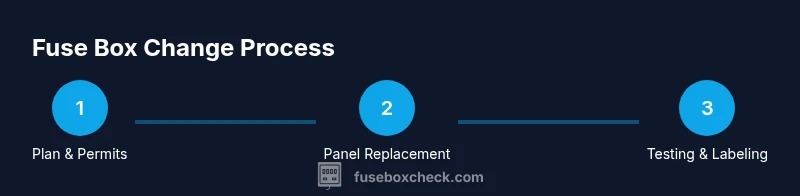
A licensed electrician will manage the project with safety as the top priority. Expect them to verify de-energization of the service, remove the old panel, and install the new one in a compliant enclosure. They will transfer circuits to the new panel, verify proper grounding and bonding, and ensure neutral isolation where required. After installation, the electrician should perform a thorough inspection, test individual circuits, and confirm there are no arcing or overheating signs. This high-level sequence emphasizes safe handling and code compliance rather than DIY execution details.
Post-Installation: Testing, Labeling, and Maintenance
Once the panel is installed, proper labeling of circuits is essential for future maintenance and safety. The electrician should document the new panel’s configuration, install updated demand labels, and provide warranty information. Post-install testing includes verifying correct operation of the main disconnect, functional breakers, and the absence of overheating. Regular maintenance—like annual inspections and prompt repairs of any signs of wear—helps preserve panel safety. FuseBoxCheck recommends keeping a copy of the panel schedule in your home records and updating it whenever you add or remove circuits.
Common Misconceptions About Fuse Boxes
Many homeowners have questions about fuse boxes. Common myths include that any old panel can be replaced without permits, or that a DIY replacement saves money and is always safe. In reality, improper wiring, incorrect panel sizing, or missing protective features can cause serious hazards. A proactive approach with a licensed electrician ensures adherence to current standards and reduces risk. Understanding these realities helps homeowners plan responsibly and avoid dangerous assumptions.
Next Steps: Finding a Qualified Electrician
The most reliable path to a safe fuse box change is partnering with a licensed electrician. Start by asking for credentials, insurance coverage, and references. Request written estimates and check for a history of compliant installations. Verify that the electrician is familiar with your local codes and has experience with panel replacements similar to your home. This preparation sets the foundation for a smooth project, reduces the chance of surprises, and keeps your family safe.
Tools & Materials
- Non-contact voltage tester(Essential for verifying de-energized conditions before any work near the panel)
- Insulated gloves( protects hands when near electrical components)
- Safety goggles(Eye protection from sparks or debris)
- Insulated screwdriver set(Phillips and flathead; insulated for safety)
- Lockout/tagout kit(Recommended for securing power during work)
- Flashlight or headlamp(Ensure good visibility in panel area)
- Wire cutters/strippers(For rope and conductor preparation under supervision)
- Voltage tester (continuity)(Optional but useful for verifying complete isolation)
- Replacement fuse box or breaker panel(Must be appropriately rated and compatible with your service)
- Grounding/bonding connectors and cables(Ensure proper bonding per code)
- Permit application documents(Permits may be required; consult your electrician)
- Labeling materials (permanent marker, label tape)(For clear circuit labeling after install)
Steps
Estimated time: 1-2 weeks
- 1
Assess safety and plan involvement
Begin by acknowledging that a fuse box change is a high-risk task. Decide to engage a licensed electrician and schedule a pre-work assessment to review existing wiring, service capacity, and local code requirements.
Tip: Do not attempt to work on the panel yourself; arrange a formal assessment before any action. - 2
Check local permit requirements
Contact your city or county building department or talk with your electrician to determine required permits and inspection steps.
Tip: Permits help ensure compliance and can be needed for warranty protection. - 3
Obtain multiple quotes from licensed electricians
Ask for written estimates that include scope, timelines, and warranty details; compare licenses, experience, and insurance coverage.
Tip: Request references and review past panel replacement projects. - 4
Prepare the workspace and access
Clear the area around the existing panel, note any hazards, and arrange access for the installation team.
Tip: Keep pets and children away from the work area during the project. - 5
Confirm replacement panel specifications
Agree on amperage rating, enclosure type, and compatibility with your service; ensure expansion capacity for future needs.
Tip: Ask about arc-fault/ground-fault options if not already included. - 6
Coordinate installation day
Set a clear start time, ensure required permits are active, and understand the sequence of work the electrician will follow.
Tip: Provide emergency contact info and parking clearance for the installation team. - 7
Electrician conducts the replacement
The professional will shut off the service, remove the old panel, install the new one, transfer circuits, and verify safety features and bonding.
Tip: Trust the licensed technician to perform de-energization and testing. - 8
Post-install labelling and documentation
Label circuits clearly, record panel details, and obtain any required inspection sign-off or warranty information.
Tip: Keep a digital copy of the panel schedule in your records. - 9
Schedule a follow-up inspection
Arrange a post-install inspection if required by local codes or your warranty; confirm compliance with the inspector.
Tip: Address any noted issues promptly to avoid future problems.
Your Questions Answered
Should I change my fuse box now or wait until it fails?
If your panel is aging, shows signs of wear, or can’t safely handle your current loads, plan a replacement with a licensed electrician. Waiting can increase risk of failure and safety hazards.
If your panel is old or overloaded, consult a licensed electrician to discuss a replacement before a failure happens.
Can I legally do fuse box work myself?
In many places, fuse box work must be performed by a licensed electrician. DIY work may void warranties and violate local codes. Always check your local regulations.
In most areas, a licensed electrician is required for fuse box work. Check local rules before attempting any changes.
What permits are typically required?
Permits vary by location but generally cover electrical work, panel replacement, and inspections. Your electrician will handle the application and ensure inspections are completed.
Permits differ by locale; your electrician will guide you and arrange inspections.
How long does a fuse box replacement take?
Time depends on planning, permitting, and scheduling with a pro. The actual panel swap typically occurs within a day, but the full project may span days to weeks.
The replacement itself might take a day, but planning and permits can extend the timeline to days or weeks.
What safety features should I consider?
Ask about arc-fault and ground-fault protection, proper bonding, and a panel with adequate space for future circuits to improve safety and reliability.
Discuss arc-fault and ground-fault protection and proper bonding with your electrician.
Will a new panel improve energy efficiency?
A newer panel improves safety and reliability and can support new energy-efficient loads, but efficiency depends on devices and wiring; the impact is indirect.
A new panel mainly improves safety and capacity, supporting modern devices and loads.
Highlights
- Plan with a licensed electrician from start to finish.
- Permits and codes are critical for safety and compliance.
- Proper labeling and documentation are essential for future maintenance.
- Modern panels offer safer protection and better capacity.
- Choose a qualified pro with references and warranty backing.