Is Replacing a Fuse Box Hard? A Homeowner’s Guide
Discover why replacing a fuse box is a major electrical upgrade, when to DIY isn’t wise, and how to work with a licensed electrician for a safe, code-compliant upgrade.


Replacing a fuse box is a complex electrical upgrade that goes beyond a simple swap. It involves updating wiring, ensuring code compliance, and coordinating utility access and permits. For safety and long-term reliability, most homeowners should plan to hire a licensed electrician and prepare for an organized upgrade rather than attempting DIY
Is replacing a fuse box hard? A reality check for homeowners
Replacing a fuse box is not a casual home project. The old-style fuse system often sits within aging wiring, and upgrading to a modern panel involves reconfiguring circuits, upgrading grounding, and ensuring arc-fault and ground-fault protection where required. The task requires specialized knowledge of electrical code, wiring standards, and load calculations. Faulty work can create fire hazards, risk electric shock, or cause nuisance trips. According to FuseBoxCheck analyses, a careful upgrade with a licensed professional minimizes risk and provides compliant, long-term reliability. Understanding the scope helps homeowners set expectations and avoid costly rework later.
The core risks of DIY fuse box work you should know
DIY attempts can lead to immediate hazards and future failures. High-voltage components are unforgiving, and a small mistake can affect every circuit in the home. Common DIY missteps include improper grounding, forgetting to de-energize circuits safely, or mislabeling circuits after a panel change. Improper upgrades may fail electrical inspections, invalidate insurance coverage, or require expensive rework. For safety and compliance, treat fuse box replacement as a skilled trade that warrants professional oversight and careful documentation.
How modern electrical systems differ from legacy fuse boxes
Legacy fuse boxes use fuses that limit current by burning open when overloaded, while modern panels rely on circuit breakers that reset after a trip. Upgrading can unlock improved safety features, better fault detection, and higher overall capacity to support new appliances and devices. A professional will evaluate service size, conductors, and panel location, then design a plan that preserves essential circuits while upgrading to a breaker-based distribution. The planning phase also covers grounding, neutral bonding, and compatibility with any subpanels in the house.
When to call a licensed electrician instead of attempting a DIY
If any part of the project involves removing or working on the main service, or if the home is older with outdated wiring, call a licensed electrician. Permitting and inspections are typically required for major electrical work, and incorrect work can void insurance or violate local codes. If you notice flaky circuits, burning smells, or frequent trips, seek professional evaluation immediately. Early professional input can prevent unsafe configurations and set expectations for a compliant upgrade.
Planning an upgrade: permits, codes, and choosing the right panel
Begin by confirming local permit requirements with your city or county inspector. Codes change, so your electrician will need to design a plan that meets current standards for service size, grounding, bonding, and arc-fault protection. The upgrade may involve selecting a modern breaker panel or a combination service panel that meets your home’s load needs. A well-documented plan includes load calculations, a panel schedule, and a clear scope for wiring updates, making the inspection process smoother.
What a licensed electrician does during an upgrade (high-level, non-technical)
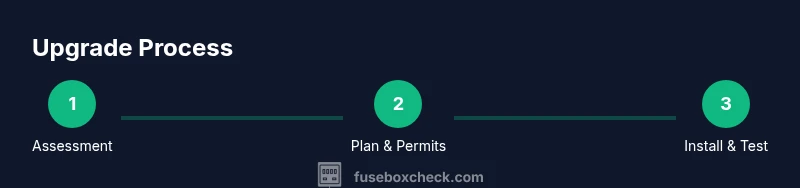
A licensed electrician typically assesses the existing service, plans the upgrade, obtains necessary permits, and coordinates utility shutoffs as needed. They will disconnect power safely, remove the old panel, install the new panel, rewire circuits, and install proper grounding and bonding. After installation, they perform tests, label each circuit, and arrange for final inspections. Throughout, they document compliance with current electrical codes and safety standards.
Panel options: fuse boxes vs modern breaker panels
Today’s homes typically benefit from a modern breaker panel rather than a fuse box. Breaker-based systems improve reliability, simplify trips, and allow for easier expansion. Some older homes with hidden fuse boxes may still follow legacy configurations; in many cases, replacing a fuse box with a modern panel also improves electrical safety and home insurance considerations. Your electrician will help you choose a panel that fits your service size, conduit routes, and space constraints.
Safety and documentation: what to expect after the upgrade
After installation, a certified inspector or electrical authority will verify compliance with code requirements. When approved, you should receive updated labeling for circuits, a new main disconnect rating, and documentation for your records. Keep this paperwork with your home’s important documents. Regular maintenance and periodic re-certification help maintain system safety over time and facilitate resale considerations.
Costs, permits, and timelines: what varies and what to plan for
Costs and timelines differ by region, service size, and the complexity of the upgrade. Factors include permit fees, material quality, panel location, and the need for rewiring or upgrading service feeders. While the investment can be substantial, a properly planned upgrade improves safety, supports modern electrical needs, and reduces the risk of accidental outages. Discuss a clear scope and milestones with your electrician to avoid unexpected changes.
Prep work you can do before the upgrade (safely and practically)
Prepare by collecting any existing electrical plans, listing high-priority circuits, and documenting observed electrical issues. Clear access to the panel area, note nearby outlets, and identify safety hazards in the workspace. Confirm that pets and children are kept away during the upgrade window. While you should not perform the electrical work yourself, thoughtful preparation helps the contractor execute the upgrade more efficiently and reduces possible delays.
How to verify contractor qualifications and permits
Ask for licenses, insurance proofs, and recent inspection records. Check references from similar upgrades and confirm that the contractor has experience with fuse-to-breaker panel conversions. Confirm the permit status and ensure that final inspections are scheduled. A reputable professional will provide a transparent project plan, a written estimate, and a clearly defined warranty or service guarantee.
Tools & Materials
- Personal protective equipment (PPE) for electricians(Insulated gloves, safety glasses, non-conductive footwear; dielectric mats for the workspace)
- Permit application materials(Property documents, service size, and project description as required by local jurisdiction)
- Electrical service plan/blueprints(Current electrical layout, panel location, subpanel(s) details, and main disconnect rating)
- Utility company contact information(Emergency/temporary shut-off numbers and scheduling guidelines)
- Labeling equipment(Permanent labels for circuits and new panel directory after upgrade)
Steps
Estimated time: 2-6 weeks for planning and permits; actual replacement typically 1 day once work begins
- 1
Schedule professional assessment
Reach out to a licensed electrician to schedule a full assessment of the existing fuse box and electrical system. They will identify the scope, required upgrades, and potential challenges before any work begins.
Tip: Ask for a written scope of work and a preliminary timeline before signing any agreement. - 2
Verify permits and code requirements
Consult your local building department to determine permit requirements and code expectations for a fuse box upgrade. This ensures inspections will pass and coverage remains valid.
Tip: Request a copy of applicable codes or a summary from the contractor for your records. - 3
Agree on scope, milestones, and safety plan
Obtain a detailed project plan: which circuits will be updated, the type of panel installed, and a safety plan for shutoffs and testing. Clarify milestones and expected downtime.
Tip: Make sure the plan includes labeling and post-upgrade testing procedures. - 4
Prepare the home for the upgrade
Clear the workspace around the existing panel, remove nearby obstructions, and ensure pets and children are kept away from the area during work.
Tip: Document any unusual signs (burn marks, rust) and share with the contractor during the site visit. - 5
Schedule post-upgrade testing and documentation
Plan a follow-up inspection to verify code compliance and receive updated labeling and certification documents.
Tip: Keep all documentation in your home maintenance folder and share with future buyers if needed.
Your Questions Answered
Is replacing a fuse box hard for a homeowner to handle?
Replacing a fuse box is a high-skill upgrade that should typically be handled by a licensed electrician. It involves upgrading wiring, ensuring code compliance, and coordinating permits and inspections. DIY work can create serious safety hazards and insurance issues.
A fuse box upgrade is best left to a licensed electrician due to safety and code requirements.
Can I replace a fuse box myself?
DIY fuse box replacements are generally not recommended. Working on the main service requires specialized training and can create serious hazards if done improperly. Always consult a licensed professional to evaluate and perform the upgrade.
It's risky and typically not advised to replace a fuse box yourself; hire a licensed electrician.
What’s the difference between a fuse box and a breaker panel?
A fuse box uses fuses that must be replaced after a fault, while a breaker panel uses circuit breakers that can be reset. Modern panels with breakers offer improved safety, easier maintenance, and better compatibility with today’s electrical loads.
Fuse boxes use fuses; breaker panels are resettable and safer for modern homes.
How long does a fuse box upgrade typically take?
Project timing varies by home, region, and permit requirements. Expect planning time, permitting, and scheduling to influence overall duration, with actual panel installation taking place over a single day or two.
Planning and permitting often take longer than the install itself.
Will upgrading increase my home’s value or safety?
Upgrading to a modern breaker panel can improve safety and reliability and may positively influence resale in some markets. The impact varies by location, home age, and how the upgrade is presented during sale.
It can improve safety and might aid resale, depending on local market conditions.
What permits are typically required for a fuse box upgrade?
Most jurisdictions require electrical permits for major upgrades and a final inspection. Your electrician will handle permit applications and scheduling, ensuring the work meets current codes.
Electrical permits and inspections are usually required for major upgrades.
Watch Video
Highlights
- Hire a licensed electrician for fuse box upgrades
- Plan permits, codes, and timeline before work
- Choose a modern breaker panel for safety and future-proofing
- Document all inspections and labeling for records
- Prioritize safety and proper testing after installation