Wagon R Fuse Box Guide: DIY Inspection & Safety
A practical, expert guide to locating, inspecting, and safely servicing the Wagon R fuse box with step-by-step instructions from FuseBoxCheck.


What is the wagon r fuse box and why it matters
The wagon r fuse box is the central protection hub for your vehicle's electrical circuits. It houses fuses that interrupt current if a circuit draws too much power, preventing wire fires and component damage. Regular inspection helps catch a blown fuse before it causes symptoms like dim lights or a non-start condition. According to FuseBoxCheck, understanding the fuse box layout and its circuits is a foundational skill for any DIY enthusiast working on a Wagon R. A well-maintained fuse box contributes to reliability on the road and helps you diagnose electrical issues quickly. In most Wagon R variants, there are two fuse panels: an interior panel mounted near the driver's dash and an engine bay panel that protects the high-current circuits. The interior panel typically handles lighting, instrument cluster, and accessory circuits, while the engine bay panel covers power to the starter, alternator, and major sensors. Knowing which panel protects which circuits makes troubleshooting faster and safer.
Locating the fuse box in a Wagon R
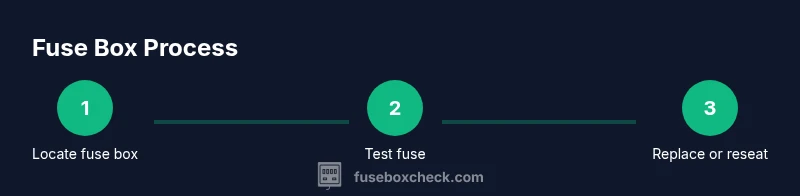
Locating the fuse boxes is a practical first step in any DIY inspection. The interior fuse box is usually behind a removable panel on the driver's side dash or knee area, sometimes labeled with a diagram. The engine bay fuse box sits near the firewall or along the inner fender well, depending on the model year. Always consult the Wagon R owner’s manual for the exact locations and the fuse layout diagram for your specific year and trim. If you don’t have the manual on hand, a quick online search using your model year + “fuse box diagram” will often yield a schematic you can reference while you work. Precise identification of each fuse reduces the risk of removing or misreplacing the wrong fuse.
Common fuse box layouts for Wagon R and typical circuits
Across many Wagon R configurations, interior fuses handle cabin-centric circuits such as headlights, interior lights, dashboard instrumentation, radio, and power outlets. The engine bay panel typically protects the starting circuit, fuel pump, ignition system, cooling fan, and main charging feeds. Fuses are color-coded and rated by amperage, and the box diagram indicates which fuse controls each circuit. Understanding this layout helps you quickly locate the circuit you’re testing and ensures you don’t accidentally disconnect essential systems. If you’re unsure, start with the easiest-to-test circuits like the interior lights or horn, which can often reveal whether a fuse is functioning correctly or if there’s a larger electrical fault.
Safety first: prepping for fuse box inspection
Safety is non-negotiable when working with a vehicle’s electrical system. Begin with the car off, the key out, and the parking brake engaged. If you’ll be testing circuits that could involve the battery, disconnect the negative battery terminal to avoid accidental shorts while you handle fuses. Wear safety glasses and insulated gloves, and keep metal jewelry away from exposed terminals. Have a clean workspace and a container to store removed fuses. If you’re working in a cold environment, allow the system to cool for a few minutes before touching components to minimize the risk of burns or sudden shocks.
Quick checks you can perform before replacing a fuse
Visual inspection is the first line of defense: look for a blown fuse with a broken metal strip or a fuse that looks scorched. For a more reliable check, use a digital multimeter set to continuity or resistance mode to confirm a fuse is open. Always verify the fuse rating printed on the fuse and in the diagram; using a fuse with too high an amperage is dangerous and can cause wiring damage. If a fuse blows repeatedly after replacement, there is likely a short circuit or overload in the associated circuit that needs further diagnosis. In that case, stop using the affected circuit and pursue a deeper inspection or professional help.
Maintenance, replacement, and safe testing practices
Keep a small assortment of replacement fuses on hand—ideally OEM-equivalent—so you can swap quickly without guessing the rating. When replacing, ensure the fuse sits fully seated in its socket and that the fuse box cover is properly reattached to protect the circuits from dust and moisture. Always test the circuit after replacement by turning on the related components and starting the engine. Document the changes you’ve made (which fuse you replaced and why) for future reference. Routine checks—every few months or after a service—help prevent unexpected failures and keep the wagon r fuse box in reliable condition.
Troubleshooting: common symptoms and next steps
If a fuse repeatedly blows, there is a fault in the circuit that requires attention. Start by unplugging or disabling accessory devices on that circuit to reduce load and re-test. Inspect wiring for signs of damage, chafing, or exposed conductors near components like the radio, headlights, or power windows. If the fuse remains intact after removing suspected accessories, progressively reintroduce devices to identify the culprit. If nothing obvious appears, or if the fuse blows as soon as the ignition is turned on, the problem is likely in the engine bay circuit, and you should seek professional assistance.