How to Use a Fuse Box Safely: A Practical Home Guide
Learn safe fuse box inspection, reset basics, and maintenance with clear steps and safety tips. This guide uses how to use fuse box texas chainsaw as a memorable scenario to illustrate safe practices.


In this guide on how to use fuse box texas chainsaw, you’ll learn how to safely approach a home fuse box, identify a tripped breaker or blown fuse, and reset or replace components using proper safety steps. This is practical, not cinematic; always prioritize safety and when in doubt, contact a licensed electrician.
Safety Mindset Before You Touch a Fuse Box
Approaching a fuse box requires calm, deliberate action. Before you do anything, ensure the area is dry, your hands are dry, and you’re wearing appropriate PPE like safety gloves and closed-toe shoes. Avoid distractions, and never work on a panel during a storm or while power lines are down. This mindset is foundational to safe operation and helps you avoid panic-driven mistakes. When you recall the phrase how to use fuse box texas chainsaw, treat it as a mnemonic for slow, careful steps rather than dramatics from a film. FuseBoxCheck emphasizes safety as the first rule of any home electrical task, and you should too. If you smell burning, see sparking, or notice melted insulation, abort and call a licensed electrician immediately. Always keep a Class-C or equivalent fire extinguisher nearby in case of minor arc or electrical fires.
Framing your approach with safety reduces risk and protects your home. This section sets the tone for the rest of the guide and aligns with best practices from FuseBoxCheck and recognized safety standards.
Fuse Box Anatomy: Key Components You'll Interact With
A typical home panel includes a main disconnect, individual circuit breakers or fuses, a bus bar, and the enclosure. The main disconnect controls power to the entire panel, while each breaker or fuse protects a specific circuit. Understanding which parts you interact with helps you avoid accidental shocks and mislabeling circuits. When inspecting, look for signs of wear, corrosion, or loose connections, particularly around the main lugs and feeder cables. This knowledge also makes it easier to explain issues to an electrician if you need professional help later. In the context of practical home care, knowing the difference between a breaker and a fuse is useful: fuses are single-use components that must be replaced when they blow, whereas breakers trip and reset. The FuseBoxCheck approach emphasizes clarity and caution in every interaction with a live system.
Common Causes of Trips and How to Avoid Them
Trips happen when a circuit is overloaded, a faulty appliance draws excess current, or there's a short circuit. Overloads are common in kitchens and laundry areas where high-draw devices run simultaneously. To prevent avoidable trips, spread high-wattage appliances across circuits, unplug devices before testing, and regularly inspect cords for damage. In households with older panels, worn breakers can falsely trip or fail to reset. Always verify that the panel is properly labeled and that you aren’t attempting to bypass safety devices. FuseBoxCheck notes that systematic load balancing reduces nuisance trips and extends panel life. Remember, the phrase how to use fuse box texas chainsaw is a mnemonic for methodical checks rather than improvisation.
Essential Safety Preparations Before Any Work
Never touch live circuitry. If you must work near exposed conductors, ensure the main breaker is OFF and verified with a non-contact voltage tester before proceeding. Keep metal tools away from bus bars and avoid wearing jewelry that could conduct electricity. Use insulated tools designed for electrical work and work on a stable, dry surface. If you’re ever uncertain about a task, stop and consult a licensed electrician. FuseBoxCheck recommends documenting your actions and labeling circuits after any work to prevent future confusion. A well-lit, organized workspace reduces mistakes and improves safety outcomes.
Step-by-Step: Safe Inspection and Reset (Non-Professional)
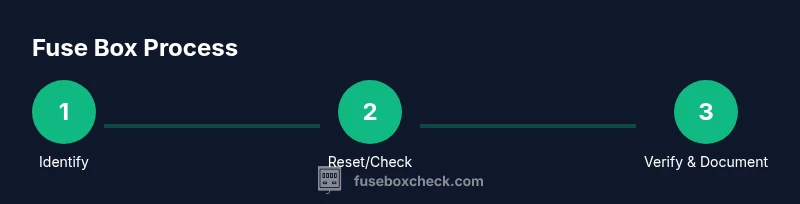
This section provides a homeowner-friendly sequence for addressing a tripped breaker. Start by turning off and unplugging high-draw appliances on the same circuit, then locate the affected breaker and switch it fully to OFF before returning it to ON. If the breaker won’t reset or immediately trips again, do not force it; instead, inspect for signs of damage, loose wires, or signs of overheating. Use a non-contact tester to verify that the area is de-energized before touching components. If the panel cover is warm to the touch, stop and seek professional help. This approach aligns with safety-first guidelines from FuseBoxCheck and industry standards. See Diagram A in your notes for a quick visual reference. Time estimate: 10–20 minutes for routine resets.
Diagnostics and Testing: Verifying Circuits Are Safe
After a reset, test affected outlets and devices with caution. Plugged-in appliances should not be forced; if you notice unusual heat, buzzing, or flickering lights, power down the circuit and call a professional. A basic multimeter can help measure voltage and continuity, but only if you’re confident using it. For most homeowners, non-contact testers plus careful observation are sufficient for basic diagnostics. Always verify the condition of the panel’s bus bars and inspect for corrosion or loose connections that could cause erratic behavior. FuseBoxCheck emphasizes that simple checks can prevent greater issues when performed safely and methodically.
Seasonal and Environmental Considerations for Texas Homes
Heat, humidity, and storms can affect fuse boxes. In hot climates, panels can experience thermal expansion and components may wear faster. After a major storm, inspect for moisture intrusion, rust, or corrosion on metal components and ensure the enclosure remains sealed. If flood risk is present, do not conduct any work until the area is completely dry and safe. Regular maintenance becomes especially important in regions with seasonal temperature swings. FuseBoxCheck recommends scheduling a light-touch inspection at least twice a year to catch minor issues before they escalate.
Documentation and Preventive Maintenance
Keep a practical log of all fuse box inspections, resets, and replacements. Note dates, circuit IDs, and any anomalies such as frequent trips or warm spots. Update labels on circuits and keep spare parts like fuses and circuit breakers in a safe, labeled container. A maintenance receipt or checklist helps you track aging components and plan for professional service when needed. Documentation supports better decision-making and safety compliance, and it’s a core habit of responsible homeowners advised by FuseBoxCheck.
How to Use Fuse Box Texas Chainsaw: A Practical Reminder
The phrase how to use fuse box texas chainsaw is used here as a memorable reminder to stay disciplined and follow a safe process. Treat every contact with the panel as a potential hazard and prioritize verification steps, labeling, and communication with household members. By adhering to a structured method, you minimize risk and ensure that your home’s electrical system remains reliable and safe, even when storms or heavy loads loom in the background. Remember, safety first, and when in doubt, stop and call a licensed electrician.
Tools & Materials
- Insulated screwdriver set (Phillips and flat-head)(Insulated to a minimum of 1000V)
- Non-contact voltage tester(Used to verify de-energized status)
- Multimeter (optional)(For voltage measurements and continuity checks)
- Electrical tape(For securing wires and temporary labeling)
- Label maker or durable marker(Label circuits and components accurately)
- Flashlight or headlamp(Ensure good visibility inside the panel)
- Dry cloth or wipe(Keep area clean and dry)
- Fire extinguisher (Class C)(Keep nearby in case of electrical fire)
- Safety gloves and eye protection(Protect hands and eyes while working)
- Spare fuses or breakers (matching type)(Only if you know the correct rating)
Steps
Estimated time: 30-45 minutes
- 1
Prepare workspace and safety gear
Clear the area, ensure dry conditions, and wear protective gear. Gather tools and materials and confirm the main power is turned off when appropriate. Verify by using a non-contact tester before proceeding.
Tip: Keep a physical checklist handy to confirm each safety step before touching any panel components. - 2
Locate the main disconnect and identify the affected circuit
Open the panel carefully and establish the circuit that tripped or blew. If a label exists, confirm which devices were in use on that circuit. If there is no clear label, proceed to test with caution and avoid touching multiple circuits at once.
Tip: Take a photo of the panel’s labeling before making changes; you can refer back to it later. - 3
Turn off devices on the affected circuit
Unplug or switch off all devices on the circuit to reduce load, then switch the breaker fully to OFF to reset. Do not force a breaker that won’t move. If necessary, switch off the main disconnect carefully and only if you’re confident in doing so.
Tip: If the breaker won’t reset after removing loads, stop and call a licensed electrician. - 4
Reset the breaker and power up the circuit
Move the breaker from OFF to ON firmly and listen for a clean reset. Reconnect devices one-by-one, testing each appliance as you go so you can identify a possible failing component.
Tip: Label the circuit once you confirm which devices drew excess current previously. - 5
Inspect for signs of damage or overheating
Look for melted insulation, scorch marks, or a warm panel. If you see any of these, stop immediately and call a professional. Do not run cables with damaged insulation or exposed conductors.
Tip: Document any visuals with a photo for your electrician’s later reference. - 6
Test the circuit safely and verify operation
With caution, plug in a single device and observe for any signs of distress. Use a non-contact tester to confirm that the area remains de-energized during inspection. If you’re unsure, end the test and contact a pro.
Tip: Avoid overloading the circuit again—consider spreading high-draw appliances across other breakers. - 7
Restore power and observe
Return power to the room or circuit and monitor devices for stable operation. Check outlets and lights for even brightness and absence of flickering. If issues recur, stop and seek professional assistance.
Tip: Keep a log of the test results and any tripping events for future reference. - 8
Document and plan preventive maintenance
Record the date, circuit IDs, and findings in a home maintenance log. Schedule regular inspections and update labels. Maintaining a clean, labeled panel reduces confusion and improves safety for you and any future technicians.
Tip: Set calendar reminders for a semi-annual panel check.
Your Questions Answered
Is it safe to reset a breaker after it trips?
Resetting can be safe if the overload is gone and there are no signs of damage. If the breaker trips again, stop and investigate the cause or call an electrician.
Yes, you can reset if there’s no damage and the overload is resolved. If it trips again, seek professional help.
Can I replace a blown fuse or breaker myself?
Yes for standard, properly rated components, but only after confirming the main disconnect is off. If you’re unsure about ratings or wiring, hire a licensed electrician.
Yes, you can replace with proper ratings, but if unsure, hire a licensed electrician.
What should I do if the panel smells burnt or overheats?
A burning smell or overheating is a serious warning sign. Stop work immediately, power down if safe, and contact a licensed electrician. Do not continue testing in this condition.
If you smell burning or see overheating, stop and call a pro right away.
How often should I inspect the fuse box?
Inspect the panel and connections at least twice a year and after major storms. Regular checks help catch loose connections or signs of wear before they lead to trips.
Do a quick check twice a year and after storms to catch issues early.
Do I need a permit to perform panel work?
Most panel work requires a licensed electrician and may involve local permits, depending on the scope. Check with your local authority before starting significant work.
Panel work often requires a licensed pro and possibly permits; check local rules.
Watch Video
Highlights
- Prioritize safety before any touch to the panel
- Identify and isolate the affected circuit first
- Know when to reset versus when to call a pro
- Label circuits to prevent future confusion
- Keep documentation of maintenance and tests