Replacement for Fuse Box: Safe Home Upgrade Guide
A practical, safety-first guide to replacement for fuse box: evaluate needs, compare options, plan permits, and hire qualified pros for a code-compliant solution.


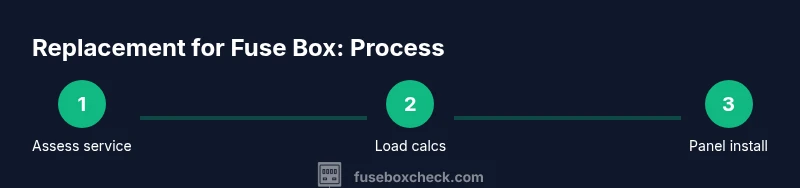
This guide helps you plan a safe replacement for fuse box by outlining options (panel upgrade vs fuse box replacement), safety checks, permit considerations, and selecting a licensed electrician. You’ll learn how to assess needs, compare quotes, and ensure code-compliant results. Follow these steps to reduce risk and protect your home electrical system.
When a replacement for fuse box is necessary
Electrical panels age, degrade, and can become unsafe. A common trigger for pursuing a replacement for fuse box is frequent nuisance trips, a burning smell or scorched panel, or visible corrosion on the bus bars. Modern homes demand a panel that can safely handle increased electrical load, better protection, and up-to-date wiring practices. According to FuseBoxCheck, safety should come first: do not operate in or near a panel you suspect is unsafe. Start with a professional inspection to determine whether the problem lies with the panel itself, the wiring, or downstream devices. A properly planned replacement for fuse box can prevent electrical fires, improve reliability, and support contemporary loads such as HVAC, EV charging, and large appliances. This assessment helps you choose between repair, replacement, or a full service upgrade while aligning with local codes and utility requirements.
In practice, homeowners should document symptoms, review service size, and confirm whether a service upgrade is necessary. The goal of a safe, code-compliant electrical system is to protect everyone in the home while providing room to grow for future needs. FuseBoxCheck emphasizes that the safest path is often a professional evaluation followed by a well-planned replacement for fuse box that fits the home’s existing conductors and service entrance.
Understanding fuse boxes vs. electrical panels: what to know
Many people refer to the entire enclosure as a fuse box, but modern terminology distinguishes between a fuse box and an electrical panel. A fuse box typically houses fuses that protect individual circuits; a modern electrical panel uses circuit breakers and a bus bar system that can be reset rather than replaced after an overload. When considering a replacement for fuse box, homeowners should assess whether to upgrade to a full electrical panel with automatic breakers, or opt for a service upgrade that increases the main service size while using the same panel footprint. The choice depends on load calculations, the age of the wiring, and local electrical codes. A panel upgrade generally provides better protection, simpler maintenance, and compatibility with smart home devices. FuseBoxCheck recommends consulting a licensed electrician to perform a load calculation and confirm the most appropriate path.
What to expect from a proper replacement for fuse box
A legitimate replacement for fuse box involves more than swapping components. It includes a careful evaluation of the home’s service entrance conductors, grounding system, and any needed rewiring. A licensed electrician will typically perform a load calculation, select an appropriately rated main breaker and branch breakers, and install a properly sized panel. The work should meet NEC (National Electrical Code) requirements and local amendments, with inspection by the authority having jurisdiction (AHJ). Expect a temporary power outage during the swap, careful labeling of circuits, and a new, accessible panel location if a relocation is appropriate. After installation, the system should be tested for voltage integrity, grounding, and correct trip curves. Following a thorough inspection, you’ll receive documentation for future maintenance and resale.
Throughout the process, choose durable components, ensure proper clearance around the panel, and verify compatibility with your home’s existing wiring. A well-executed replacement for fuse box can improve safety margins, reduce nuisance trips, and support modern electrical demand.
Planning and permits: step-by-step overview for a fuse box replacement
Planning a replacement for fuse box requires adherence to local codes and permit requirements. Start by contacting your city or county building department to confirm whether a permit is needed for a panel upgrade or service change. Simultaneously arrange a professional inspection to validate the current service capacity and wiring condition. Your electrician should prepare a scope of work, including load calculations, panel type, grounding method, and a clear map of circuits to be reconnected. Permits typically cover electrical work, conduit routing, and any required rewiring. Expect a final inspection after installation to verify compliance. This phase often determines the timeline and costs, so double-check documentation, code references, and warranty terms before you authorize work.
For homeowners seeking a smoother process, prepare questions about permit timelines, required inspections, and post-installation testing. FuseBoxCheck notes that staying compliant not only reduces risk but also helps preserve home value and insurance coverage. Documentation and adherence to code are essential outcomes of a proper replacement for fuse box.
How to get accurate quotes: questions to ask before replacing fuse box
When seeking quotes for a replacement for fuse box, provide a detailed description of your current panel, service size, and any observed issues. Ask electricians to perform or confirm a load calculation, specify the panel model, and outline all parts and labor costs. Request a line-item breakdown for materials (panel, breakers, grounding, conduit) and for permit fees or AHJ fees. Ensure quotes include testing, cleanup, old panel disposal, and a written warranty. Compare timelines, required inspections, and any potential extra charges (e.g., conduit relocation or wiring upgrades). Remember that the lowest price isn’t always best if it skips essential steps like load analysis or permits. FuseBoxCheck recommends choosing a reputable pro with demonstrable experience in your region’s code requirements.
Additionally, verify whether the quote assumes work on a live system or with power-off procedures and whether temporary power is provided during the replacement for a smoother transition.
DIY vs professional: decision framework for replacing fuse box
A replacement for fuse box is a high-risk project that involves high-voltage equipment, live conductors, and precise code requirements. For most homeowners, hiring a licensed electrician is the safest path. DIY attempts can lead to serious injury or fire hazards, and may violate local codes or insurance terms. Use this decision framework: (1) evaluate your comfort level with electrical work; (2) confirm that your wiring is in good condition and up to current code; (3) confirm that you can safely de-energize and re-energize the system; (4) ensure you have access to the necessary tools and protective gear. If you choose to DIY, limit tasks to non-live inspections only and always consult a professional before applying power. FuseBoxCheck emphasizes safety and compliance as the core outcomes of any replacement for fuse box.
In many cases, homeowners save time and reduce risk by letting a licensed electrician handle the upgrade, especially when service upgrades or relocation is involved.
Long-term safety and maintenance after a fuse box replacement
After completing a replacement for fuse box, establish a routine to monitor for signs of trouble. Keep an updated circuit map, label breakers clearly, and schedule periodic inspections, particularly after major appliance upgrades or renovations. Test GFCI and AFCI devices regularly and replace any damaged or aging components promptly. Maintain a 2- to 3-year inspection cadence to catch aging wiring, corrosion, or poor connections before they become safety hazards. If you notice frequent flickering lights, burning smells, or hot panels, contact a licensed electrician immediately. A well-maintained panel not only improves safety but also reduces the risk of unplanned outages and extends the life of your electrical system.
Tools & Materials
- Non-contact voltage tester(Check circuits from a safe distance before touching any conductors)
- Voltage tester (multimeter)(Verify absence of voltage during work)
- Insulated screwdrivers (Phillips and flathead)(Securely tighten/loosen panel hardware)
- Adjustable wrench(Tighten main lugs and connectors)
- Wire strippers(Only if rewiring is needed; otherwise not required)
- Electrical tape and wire nuts(Secure splices and conceal wire connections)
- Safety glasses and gloves(Protect eyes and hands from shocks and sharp edges)
- Flashlight/headlamp(Illuminate the panel area clearly)
- Lockout/Tagout kit(Enhance safety during main shut-off)
- New breaker panel and breakers(Ensure correct rating and compatibility with service size)
- Conduit, connectors, and compatible fittings(Only if relocation or rerouting is needed)
Steps
Estimated time: 4-8 hours
- 1
Assess safety and service size
Initiate a safety-first assessment by verifying available service size and inspecting the current panel for damage. Determine if the service needs a full upgrade or if a replacement for fuse box with a new, code-compliant panel is sufficient. This step sets the scope.
Tip: If you smell burning or see scorch marks, stop and contact a licensed electrician immediately. - 2
Obtain load calculations
Have a licensed electrician perform a load calculation to determine required panel rating and main service size. This ensures the new panel will safely handle your home’s electrical demand.
Tip: Ask for a written load calculation to include in your permit package. - 3
Secure permits and AHJ approvals
Consult your local building department about permits and inspections. Ensure the scope, panel type, and grounding plan are described accurately for review.
Tip: Confirm the permit timeline and inspection windows before scheduling work. - 4
Select panel and plan layout
Choose a panel that matches your service size and future needs. Plan wire routing and panel location to maximize safety and accessibility.
Tip: Document circuit labeling strategy to expedite future maintenance. - 5
Shut off power and prepare the workspace
Coordinate power shutdown with utility if needed and prepare the area around the panel. Remove cover, inspect wiring, and ensure the workspace is dry and clear.
Tip: Never work on energized parts; use lockout/tagout where applicable. - 6
Install the new panel and reconnect circuits
Carefully install the new panel, mount securely, connect the service conductors, and re-install breakers with correct ratings. Label circuits clearly.
Tip: Double-check grounding and bonding as per code requirements. - 7
Test and verify all systems
Restore power, test voltage at each circuit, verify GFCI/AFCI protections, and confirm no unintended tripping. Ensure all spaces are clean and safe.
Tip: Keep a record of test results for future reference. - 8
Obtain final inspection and documentation
Schedule the AHJ inspection and collect the final approval. Keep warranty info, permits, and panel specs for future maintenance.
Tip: Store copies with home records and resale documents.
Your Questions Answered
What is the difference between a fuse box and an electrical panel?
A fuse box uses fuses to protect circuits, while a modern electrical panel uses circuit breakers. A replacement for fuse box often involves upgrading to a breaker-based panel for better protection and ease of use. The upgrade also aligns with current electrical codes.
A fuse box has fuses, while modern panels use circuit breakers. Upgrades improve protection and are typically required by code.
Is a permit required for replacing a fuse box?
Most jurisdictions require a permit for panel upgrades or service changes. Your electrician usually handles this, but confirm permit timelines and inspections with the AHJ before work begins.
Yes, permits are typically required for panel upgrades; your electrician can guide you through the AHJ process.
How long does a fuse box replacement take?
A typical replacement for fuse box takes several hours, depending on service size, panel location, and any required wiring upgrades. Complex upgrades may extend this timeline.
Most replacements take several hours; more complex jobs may take longer.
Can I replace the fuse box myself?
Because this involves high voltage and code compliance, most homeowners should avoid DIY replacement for fuse box. Hiring a licensed electrician reduces risk and ensures proper inspection.
It's best to hire a licensed electrician; this work is high risk and needs code compliance.
What should I budget for a replacement for fuse box?
Costs vary with service size, panel type, and permits. Instead of a fixed price, obtain multiple written quotes that include load calculations, permit fees, material costs, and inspections.
Costs vary; get several written quotes that itemize panels, wiring, and permits.
What signs indicate it’s time to replace the fuse box?
Frequent tripping, burning smells, warm or discolored panels, corrosion, or inability to reset breakers are strong indicators that you should consider a replacement for fuse box.
Look for frequent trips, heat, or burning smells from the panel.
Watch Video
Highlights
- Plan with safety first and hire licensed pros for a replacement for fuse box.
- Understand whether you need a panel upgrade or a simple replacement.
- Secure permits and follow local codes for a compliant installation.
- Label circuits and document test results for future maintenance.