DIY Fuse Panel Guide: Safe Home Troubleshooting Steps Now
Learn a safety-first, step-by-step approach to diagnosing and servicing a diy fuse panel. Tools, checks, and practical guidance for homeowners.


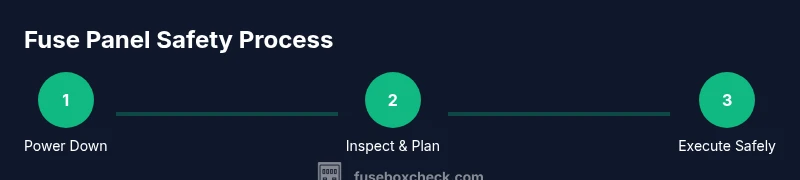
Here’s how to approach a diy fuse panel safely: verify power with a tester, gather essential tools, and follow a step-by-step checklist to inspect fuses, disconnect dangerous loads, and replace faulty components. This quick guide highlights the core steps and safety rules homeowners should follow before attempting any panel work.
What is a fuse panel and when DIY is appropriate
A fuse panel is the central hub that distributes electrical power through your home. When something goes wrong—like a blown fuse or a tripped circuit—knowing what you can safely address as a homeowner is essential. According to FuseBoxCheck, approaching fuse panel work with a safety-first mindset and strict adherence to basic electrical-practice guidelines improves outcomes and reduces risk. This section outlines the types of tasks commonly considered suitable for a careful DIY approach and how to gauge when a professional is a wiser option. You’ll learn how to balance confidence with caution, recognizing scenarios that call for a licensed electrician to avoid serious hazards. Remember, the goal is safe, code-compliant work that preserves your home’s electrical integrity.
Safety prerequisites before you touch the panel
Safety is non-negotiable when working with fuse panels. Start by identifying the main service disconnect and turning off power to the panel. Remove any jewelry and work on a dry, insulated surface with good lighting. Use proper PPE: safety glasses and insulated gloves. Verify that the panel is completely de-energized before touching any conductors. A non-contact voltage tester is a practical tool to confirm zero voltage on exposed bus bars and lugs. Always assume circuits can be live until proven otherwise, and never work alone if you’re uncertain about any step.
Tools, PPE, and workspace setup
Prepare a dedicated workspace with ample room to maneuver, good lighting, and dry surroundings. Essential tools include a voltage tester, a digital multimeter, insulated screwdrivers, a clamp meter if available, a flashlight or headlamp, electrical tape, and replacement fuses or breakers if you’ve identified the need to swap components. Keep a notebook or device ready to document changes and labels. Organize screws, connectors, and replacement parts in labeled containers to minimize mix-ups. A tidy, well-stocked workspace reduces the chance of mistakes during critical moments.
Step-by-step safety-first inspection
Begin with a calm, methodical inspection. Check for obvious signs of damage: burnt smells, melted insulation, loose wires, or corroded terminals. With power off, inspect each fuse or breaker for signs of wear and verify that loads correspond to circuit labeling. If you see corrosion, damaged insulation, or any arcing indicators, stop and reassess. Document findings before making any changes. This disciplined approach helps you distinguish between simple fixes and problems that require a licensed professional.
Understanding fuses vs breakers and when to replace
Fuses and circuit breakers serve the same protective purpose, but they operate differently. A fuse contains a metal conductor that melts when overheating occurs, while a breaker trips to interrupt current. If a fuse repeatedly blows or a breaker trips under normal load, there may be an ongoing overload, a fault in a circuit, or a degraded panel component. Replacing a fuse with the correct rating is a temporary fix if the root cause is identified and corrected. In most cases, persistent issues demand a professional assessment to avoid fire risk or further damage.
Replacing fuses or breakers and when to avoid DIY
Only replace components with the exact type and rating specified for the circuit. If the panel has signs of wear, if wires are damaged, or if you encounter corrosion, do not proceed. Handling live connections or attempting to modify the panel enclosure without proper training can create serious hazards. When in doubt, stop and call an electrician. This is not a failure of your effort—it’s a prudent choice to protect your home and family.
Testing and verification: confirming power and load
After replacement, restore power gradually and verify function. Re-energize the main breaker, then test each circuit using a tester to ensure it delivers power where expected. Monitor for any unusual heat, buzzing, or tripped breakers. If a newly replaced component fails or if you notice any abnormal behavior, power down again and recheck connections. Document results and update labeling to reflect changes for future maintenance.
Documentation, labeling, and post-work checks
Label all circuits clearly on the panel cover, noting any changes in fusing or breaker types. Take photos or notes detailing the work sequence, part numbers, and the reason for replacements. Store manuals and part references in a dedicated file for future maintenance. A clear record helps future DIYers or professionals diagnose issues faster and keeps your panel organized for inspections.
Common mistakes and troubleshooting tips
Common mistakes include overlooking loose connections, replacing a wrong rating fuse, and neglecting to test after adjustments. Always recheck power after any change and avoid touching multiple terminals simultaneously. Pro-tip: use a labeled, color-coded approach to wiring and keep a running checklist to ensure you don’t skip steps. If anything feels uncertain, pause and seek professional guidance; safety is the top priority.
Tools & Materials
- Voltage tester / non-contact tester(Verify absence of voltage on exposed conductors before handling.)
- Digital multimeter(Check continuity and resistance where applicable.)
- Insulated screwdriver set(Use insulated tools rated for high voltage work.)
- Lockout/tagout kit (optional but recommended)(Secure main disconnect when performing active work on panels.)
- Flashlight or headlamp(Ensure well-lit work area, not dependent on room lighting.)
- Safety gear (gloves and goggles)(Protect hands and eyes from sparks and debris.)
- Replacement fuses or breakers(Only if you’ve identified a components needing replacement.)
- Notepad and camera or phone(Document wiring layout and changes for future reference.)
Steps
Estimated time: 1.5-2.5 hours
- 1
Power down and isolate
Switch off the main breaker to de-energize the panel. Then open the panel and confirm there is no voltage using a non-contact tester. Ensure your workspace remains dry and you are wearing PPE before touching any conductors.
Tip: Test a known live fixture to confirm your tester is working before relying on it for the panel. - 2
Gather & prep tools
Lay out all tools in a labeled tray and review the replacement parts you may need. Keep a written plan of which circuits you’ll inspect first to avoid unnecessary rework.
Tip: Avoid clutter—position tools within arm’s reach to minimize distractions during critical steps. - 3
Visually inspect for damage
With power off, inspect fuses, breakers, and conductors for signs of overheating, corrosion, or melted insulation. Note any obvious defects before touching components.
Tip: Do not force a stubborn fuse or breaker—if it’s hard to remove, re-check power and consider professional help. - 4
Identify the problem circuit
Match circuits to their labels and determine whether a single fuse/breaker or multiple components are involved. This helps you decide whether a simple swap or a larger fix is needed.
Tip: An incorrect replacement can be dangerous—always verify the circuit rating before swapping. - 5
Replace or repair
If you confirm a faulty component, replace it with the exact rated part. Never substitute a higher-rated fuse or breaker as a shortcut.
Tip: Keep a photo record of the original setup to ensure accurate reassembly. - 6
Reconnect and restore power
Carefully re-seat connections and restore power gradually. Turn on the main breaker first, then test each circuit one by one.
Tip: If a new component trips again, power down and re-evaluate wiring for loose connections or overloads. - 7
Label & document changes
Label updated circuits on the panel cover and record what was changed, including part numbers and dates. This helps future maintenance and inspections.
Tip: Keep the documentation in a dedicated binder or digital file for quick reference. - 8
Final safety check
Do a final scan for loose wires, ensure panel doors close securely, and verify there are no exposed conductors. Confirm there are no burning smells or unusual heat around the panel.
Tip: If anything feels off, stop and call a licensed electrician to inspect.
Your Questions Answered
Is it legal and safe for a homeowner to work on a fuse panel?
In many jurisdictions, homeowners may perform basic electrical tasks if they follow safety guidelines and local codes. However, dangerous work or work requiring permits should be handled by a licensed electrician. Always check local regulations before starting.
Homeowners may do basic tasks if they follow safety rules and local codes, but for complex or risky work, hire a licensed electrician.
What tools will I need for a diy fuse panel?
Essential tools include a voltage tester, a digital multimeter, insulated screwdrivers, a flashlight, and appropriate safety gear. Replacement fuses or breakers should match the panel’s rating whenever replacements are needed.
You’ll need a tester, a multimeter, insulated screwdrivers, proper safety gear, and the right rated replacements if changes are required.
Can I replace a fuse panel myself, or should I hire an electrician?
Replacing a fuse panel is generally not recommended for DIYers due to safety and code complexity. If there are signs of wear, damage, or uncertainty, consult a licensed electrician to prevent fire hazards and ensure compliance.
If you’re unsure, consult a licensed electrician to avoid safety risks and code problems.
What are common signs a fuse panel needs service?
Common signs include frequent tripping, burning smells, scorch marks, warm surfaces, buzzing sounds, or melted insulation. If you notice any of these, stop work and seek professional evaluation.
Frequent trips, smells of burning, or warmth around the panel mean you should get a pro to inspect.
What should I do if a fuse keeps blowing after a repair?
If a fuse continues to blow, power down and reassess the circuit for overloads, short circuits, or faulty wiring. Recheck connections and consider professional testing to diagnose deeper issues.
If a fuse keeps blowing, switch off, recheck the circuit, and consider a professional assessment if the issue persists.
How can I stay safe while working on electrical panels?
Always work with power off, wear PPE, and keep a dry, organized workspace. Avoid metal jewelry and never bypass safety devices. If in doubt, pause and call a professional.
Power off, wear PPE, stay organized, don’t bypass safety devices, and call a pro if unsure.
Watch Video
Highlights
- Always power down and verify zero voltage before touching any panel components.
- Use the exact part ratings when replacing fuses or breakers.
- Document changes clearly for future safety and maintenance.
- Know when to call a licensed electrician to avoid risk and ensure code compliance.