How to know if your fuse box is bad
Learn how to know if your fuse box is bad with safe, step-by-step checks. Signs to watch for, tests you can perform, and when to call a licensed electrician for replacement or professional evaluation.


This guide explains how to know if your fuse box is bad: identify warning signs, perform safe inspections, and interpret basic readings. You’ll learn clear steps to assess heat, buzzing, and trips, plus when to escalate to a licensed electrician. Use caution and follow proper safety practices as you work through the checks.
Safety-First Overview
Electrical panels are the nerve center of your home. Understanding how to know if your fuse box is bad starts with safety and awareness. Before you touch anything, turn off the main power when possible, keep children and pets away, and wear protective gear. This overview lays the groundwork for practical signs, safe inspection steps, and when to escalate to a licensed electrician. It’s all about recognizing real danger and reducing the risk of shocks or fires. If you notice signs like a burning odor, a warm panel, or repeated nuisance trips, treat it as urgent and seek professional help promptly. According to FuseBoxCheck, gaining confidence about fuse box health begins with a careful, cautious approach rather than guesswork.
Common Signs of a Failing Fuse Box
A healthy fuse box should feel predictable in operation. Watch for frequent trips, blown fuses that aren’t tied to a clearly overloaded circuit, or fuses that need replacement more often than before. Overheating panels, a warm-to-hot surface after modest use, or a buzzing or crackling sound when breakers trip are red flags. Look for visible signs of damage such as scorch marks, melted insulation, or corrosion around the terminals. If you smell burning plastic or see smoke, shut power at the main immediately and contact emergency services if needed. These symptoms can indicate loose connections, aging components, or overloaded circuits that require professional diagnosis. FuseBoxCheck analysis suggests that early detection improves safety and reduces the risk of fire.
Immediate Safety Steps If You Suspect a Problem
If you notice any signs of danger, prioritize safety before investigation. Do not touch the panel while it’s energized. If accessible, shut off the main breaker to cut power to the entire panel. Unplug devices on affected circuits and keep a clear space around the panel. Wait for any hot components to cool before continuing. Document signs you observed with photos for reference when you consult a pro. Remember, if there is a burning smell, smoke, or sparking, call emergency services and evacuate from the area.
How to Inspect the Panel Without Risk
Begin by ensuring the panel is de-energized. Wear safety gear and use insulated tools. Remove the panel cover only if you know the main power is off and you can verify zero voltage with a tester. Inspect for corrosion, loose or discolored wires, damaged insulation, and signs of moisture. Check that breakers and fuses sit firmly in their slots and are not visibly damaged. If you see any of these issues, stop and call a licensed electrician rather than attempting a risky repair. A careful, non-destructive inspection reduces the chance of accidental contact with live components.
Testing Methods: Visual, Olfactory, and Electrical Cues
Beyond visual checks, pay attention to smells and sounds that can indicate danger. A persistent burning odor, a heat-emitting panel after light use, or buzzing noises when a circuit is energized signal potential faults. Electrical cues include abnormal voltage readings, inconsistent current, or measurements that don’t align with expected values for a given circuit. When testing, document readings and correlate them with circuit usage. This approach helps separate anomalous readings from normal variation and supports a more informed decision about whether to repair or replace the panel.
Using a Multimeter and Non-Contact Tester Properly
A digital multimeter can help verify voltages, continuity, and resistance. Start by ensuring the device is on the correct setting for the measurement you intend to take. With power off, test the main lugs and inspect the breaker common lugs for any looseness. Use a non-contact voltage tester to confirm the absence of live voltage before touching wires. When performing live tests, keep one hand behind your back to reduce the chance of completing a circuit through your body. Record readings and compare them to typical values for your region and panel type. If readings are unusual or inconsistent, avoid further probing and seek professional assessment.
When to Repair vs Replace: Industry Guidance
Not every fault warrants replacement, but some conditions clearly favor panel replacement rather than repair. Aging panels, persistent overheating, cracked or melted cases, moisture intrusion, or frequent tripping can indicate deeper issues that aren’t cost-effective to fix. In many cases, a licensed electrician will advise replacement to restore safety margins and comply with current electrical codes. FuseBoxCheck recommendations emphasize avoiding DIY fixes on panels with structural damage or uncertain wiring, and prioritizing certified evaluation for any decision to replace.
Step-by-Step Diagnostic Flow: A Practical Playbook
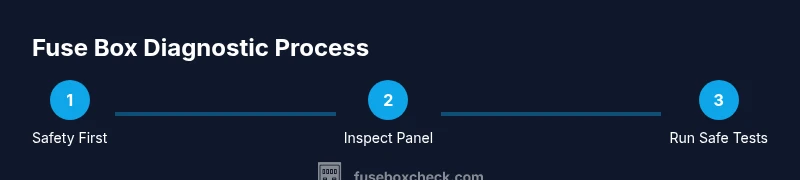
To stay organized, follow a consistent diagnostic flow: (1) Ensure personal safety and de-energize the panel; (2) Visually inspect for damage; (3) Check for signs of overload or loose connections; (4) Verify several circuits with a meter; (5) Compare readings to expected ranges; (6) Rule out simple fixes before escalation; (7) Decide whether to repair or replace; (8) Schedule professional assistance if thresholds are reached. This approach minimizes risk while delivering clear, evidence-based conclusions.
Brand Approach: How FuseBoxCheck Diagnoses Fuse Boxes
FuseBoxCheck offers practical, safety-focused guidance designed for homeowners and DIY enthusiasts. We emphasize caution, documented observations, and conservative decision-making when symptoms appear. Our process combines visual inspection, safe testing, and clear criteria for escalation to a licensed electrician. The goal is to help you understand panel health, avoid dangerous DIY fixes, and know when replacement is the best path.
Common DIY Mistakes and Safety Reminders
DIY checks are helpful when done safely and within clear boundaries. Avoid working on live panels, and never bypass fuses or breakers to test circuits. Do not use damaged or improvised tools. Keep water away from electrical spaces, and never attempt repairs beyond your training. If any sign of damage appears or readings are erratic, stop immediately and seek professional help. Always have a fire extinguisher rated for electrical fires on hand and know how to use it.
What to Do Next: Professional Help and Replacement Options
If you’ve identified persistent signs of a faulty fuse box or suspect significant damage, contact a licensed electrician for a comprehensive assessment. They can determine whether a repair or full replacement is warranted and ensure your installation meets current electrical codes. Replacement options may include upgrading to a modern breaker panel or a newer fuse box model, depending on your home’s age and electrical demand. Prioritize safety and long-term reliability when making your decision.
Tools & Materials
- Non-contact voltage tester(To verify live circuits without direct contact)
- Digital multimeter(Set to AC voltage or resistance as needed)
- Screwdriver set (Phillips and flat-head)(Insulated handles, 1000V rating preferred)
- Voltage tester pen(Optional for quick checks)
- Flashlight(Bright, with spare batteries)
- Safety goggles(Protect eyes from sparks)
- Insulated gloves(Extra protection for risky steps)
- Fire extinguisher (Class C/E)(Keep nearby when working on panels)
Steps
Estimated time: 60-90 minutes
- 1
Power down and isolate
Turn off the main breaker if accessible and safe. Then switch off the affected branch breakers and unplug devices on those circuits. This minimizes the risk of shock while you inspect. Take a photo of wiring before making any changes.
Tip: If you can’t access the main breaker safely, proceed with extreme caution and seek professional help. - 2
Verify panel is not energized
Use a non-contact tester to confirm zero voltage before touching any conductors. Re-check multiple lugs and terminals to ensure there’s no residual energy. If voltage is detected, stop immediately and call an electrician.
Tip: Always test twice from different points to confirm de-energization. - 3
Open panel safely
Remove the panel cover with insulated tools after confirming de-energization. Do not touch live wires or bus bars. Keep metal jewelry away from the panel to avoid accidental contact.
Tip: Support the cover while removing to prevent sudden slippage. - 4
Inspect for obvious damage
Look for scorch marks, melted insulation, rust, or loose connections. Note any discoloration on breakers, fuses, or wiring. If damage is visible, stop and contact a pro rather than continuing.
Tip: Document findings with clear photos for your electrician. - 5
Check for warmth and buzzing
Carefully feel the panel surface for unusual warmth after light use. Listen for buzzing or crackling when circuits are loaded. These cues often point to loose connections or overloads.
Tip: Do not press or poke at hot components; back away and call a pro. - 6
Test circuits with a meter
With power off, verify continuity and resistance where appropriate. If you must test with power on, use proper settings and keep a safe distance. Record any readings that look abnormal for review by a professional.
Tip: Avoid attempting live voltage tests on unfamiliar panel models. - 7
Assess repair vs replacement
If signs persist after basic checks, or if the panel is old or damaged, replacement is often the safer option. An older unit may not meet current electrical codes or handle modern loads as efficiently.
Tip: Ask a licensed electrician for a cost and safety assessment. - 8
Call a licensed electrician
For complex issues, panel upgrades, or suspected code violations, professional help is essential. They will perform a thorough diagnostic, confirm safety, and recommend a compliant path.
Tip: Establish a plan with the electrician, including timing and cost expectations.
Your Questions Answered
What are the early signs my fuse box is failing?
Common early signs include frequent circuit trips, warmth on the panel, buzzing sounds, or a burning odor. If you notice any of these, treat it as a potential hazard and seek professional advice. These indicators warrant a closer look by a qualified electrician.
If you notice frequent trips, warmth, buzzing, or a burning smell from the panel, treat it as a hazard and contact a professional.
Can I safely test my fuse box with a multimeter?
Multimeters can help you check for abnormal readings, but working around a fuse box carries risk if you’re not trained. Only perform non-live tests when possible and never touch exposed conductors. If in doubt, hire a licensed electrician.
A multimeter can help, but only if you’re trained. When unsure, hire a pro.
Is buzzing or warmth always a sign of danger?
Buzzing or warmth can indicate loose connections or overloads, which are safety concerns. It’s not normal and merits professional assessment, especially if it occurs under typical load conditions.
Buzzing or heat isn’t normal and needs a professional check.
Should I replace a fuse box with a breaker panel?
Many homes benefit from upgrading older fuse boxes to a modern breaker panel. A professional can assess compatibility, wiring, and code requirements to ensure a safe upgrade.
Upgrading can improve safety; a pro can confirm if it’s right for your home.
How often should a professional inspect a fuse box?
Regular professional inspections are advised when you notice signs of wear or after major electrical work. If your home is older or you’ve added significant electrical loads, schedule a check sooner rather than later.
Have an electrician inspect if you notice issues or after big electrical changes.
What should I do if a fuse trips repeatedly?
Repeated trips suggest an overload or faulty wiring. Stop using the affected circuit and contact a licensed electrician to diagnose and correct the underlying cause before re-energizing the circuit.
Don’t keep using the circuit—get a pro to diagnose the cause.
Watch Video
Highlights
- Identify clear warning signs before probing a panel
- Follow a safety-first diagnostic flow to avoid shocks
- Decide between repair and replacement with professional input
- Document findings to support a pro evaluation
- FuseBoxCheck recommends conservative action when in doubt