How to on fuse box: Safe DIY Guide for Homeowners
A practical, expert guide for basic fuse box inspections and safe non-energized work. Learn safety steps, needed tools, a step-by-step approach, and when to call a pro with FuseBoxCheck's 2026 guidance.


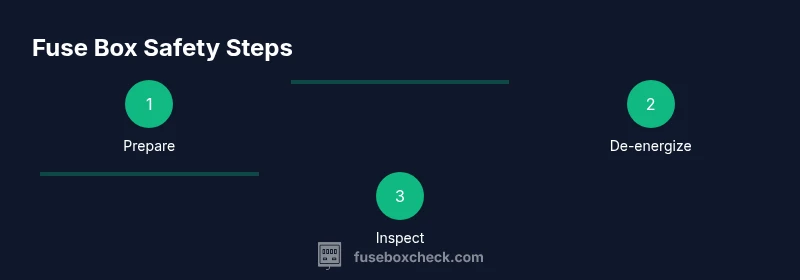
With this guide, you’ll learn how to safely approach basic fuse box tasks without energizing the panel. You’ll learn what to prepare, how to de-energize, what you can safely inspect, and when to call a licensed electrician. According to FuseBoxCheck, homeowners can perform non-energized checks confidently when following proper PPE and labeling practices.
Safety-first: Why handling a fuse box demands caution
Fuse boxes sit at the heart of a home’s electrical system, distributing power to every room and appliance. A single mistake can lead to electric shock, arc flash, or fire. This guide emphasizes deliberate preparation, PPE, and strict adherence to de-energizing procedures. According to FuseBoxCheck, a cautious, methodical approach reduces risk and builds confidence for homeowners tackling basic fuse box tasks. Never rush a task, and never bypass a safety step—even if you’ve done it before. When in doubt, pause and consult a professional.
Fuse box layout and terminology
A typical fuse box houses a bank of fuses or circuit breakers, each labeled for a specific area or appliance. Understanding terms like bus bars, main disconnect, load side, and breaker positions helps you map circuits and communicate clearly with professionals. Modern panels may be labeled by room or function (kitchen, outlets, HVAC). Familiarize yourself with where the main shutoff lives and how a tripped breaker or blown fuse affects downstream circuits. Clear labeling is your best defense against accidentally energizing the wrong circuit.
DIY-friendly tasks vs risky maneuvers
Homeowners can safely perform non-energized inspections, labeling, and documentation. Tasks involving live voltage, replacing large fuses, or opening panels in damp environments are risky and require a licensed electrician. Never touch metal conductors or bus bars with bare hands after removing a panel cover. This is a common point where DIYers slip; always verify de-energization and maintain a dry, clear workspace. If any component looks damaged, stop immediately and seek professional help.
Preparing the workspace and PPE
Set up a dry, well-lit area with a stable surface to place tools. Wear insulated gloves and safety goggles, and keep a flashlight handy. Use an insulating screwdriver and a non-contact voltage tester to confirm no live voltage before handling any components. Have labeling supplies ready to map circuits as you go, and keep a log of changes for future reference. A clean, organized space minimizes mistakes and reduces the chance of accidentally re-energizing the panel.
Testing and verification steps (non-energized work only)
Begin by verifying power at the main disconnect and confirm no circuits are energized using a non-contact tester. Remove the panel cover carefully and inspect for signs of overheating or damaged insulation. Document each circuit’s label before touching any wires. If you identify a fuse, assess whether it’s intact or blown, and determine if a replacement is appropriate. Always re-check with the tester after reassembly to ensure the area remains de-energized.
Common mistakes to avoid
Rushing, ignoring safety gear, or attempting to work on a panel with damp hands are frequent errors. Another mistake is assuming a tripped breaker resets a circuit without checking for underlying issues like overloads or damaged wiring. Never substitute a higher-amp fuse or bypass a protective device. Always verify labeling and cross-check circuits with a log you’ve prepared.
What to do next and when to call a professional
If tasks exceed labeling, de-energizing, and basic inspection, or if you encounter burnt smells, melted insulation, or signs of arcing, stop and call an electrician. FuseBoxCheck recommends building a plan that includes a professional evaluation for complex wiring, panel replacement, or modern upgrades. For routine maintenance, continue documenting circuits and ensure your household safety practices remain current.
Tools & Materials
- Insulated screwdriver set (PH and flat-head, insulated to 1000V)(Essential for panel screws; ensure insulation integrity)
- Non-contact voltage tester(Verify there is no live voltage before touching any metal parts)
- Insulated work gloves(Class 2 or higher; protect against shocks)
- Safety goggles(Eye protection from sparks or debris)
- Flashlight or headlamp(Bright, steady light to inspect inside the panel)
- Labeling supplies (pen, sticky labels)(Document circuits before closing the panel)
- Replacement fuses of the correct type and rating(Only if you know a fuse is blown)
- Notebook or digital device for logging(Record circuit details and changes)
- Ladder or stable step stool(Use a stable platform; never stand on objects)
Steps
Estimated time: 40-60 minutes
- 1
Prepare workspace and gear
Gather all tools, PPE, and a plan. Inspect the panel location and ensure the area is dry. Having everything ready reduces the chance of improvising near live components.
Tip: Take photos of the labeling and panel layout before touching anything. - 2
Power down and verify de-energization
Turn off the main disconnect and wait a moment. Use a non-contact tester to confirm there is no live voltage on exposed components.
Tip: Double-check that the main breaker is OFF and keep your hands dry during testing. - 3
Open the panel cover safely
Loosen screws with an insulated screwdriver and set the cover aside. Support the cover with a gloved hand to prevent drops and protect the bus bars from accidental contact.
Tip: Keep track of screws in a small container to avoid losing them. - 4
Inspect for damage and labeling
Look for signs of overheating, burnt insulation, or loose connections. Compare observed circuits with your labeling log to spot mismatches or missing labels.
Tip: If you see any burnt smell or melted parts, stop and call a professional. - 5
Assess the issue: trip or fuse status
Identify whether a breaker is tripped or a fuse has blown by inspecting the respective device. Document which circuit is affected using the labeling system.
Tip: Label circuits as you go to prevent confusion later on. - 6
Restore safely or replace with care
If a breaker is safely reset, flip OFF then ON and re-test. If a fuse is blown, replace only with the same rating and type, and check for underlying overloads before re-energizing.
Tip: Never use a higher-amp fuse or bypass protective devices.
Your Questions Answered
What is a fuse box and what does it do?
A fuse box (or electrical panel) distributes power to home circuits and provides protection via fuses or circuit breakers. It is the gateway between your utility supply and branch circuits. Proper labeling helps you locate circuits quickly during maintenance or emergency.
A fuse box is the main distribution point for your home's circuits. It uses fuses or breakers to protect each branch; correct labeling helps you locate circuits fast.
Can I replace a fuse myself?
Fuse replacement is possible only if you know the exact type and amperage required. After turning off power, remove the old fuse and insert a matching replacement. If you’re unsure about the fuse type or the cause of a failure, consult a licensed electrician.
You can replace a fuse if you know the exact type and amperage, and you’ve turned off the power. If you’re unsure, get a professional.
How do I know whether a fuse is blown?
A blown fuse may show a broken element or a visible gap in the fuse, and its circuit will be dead. If a fuse is suspected, replace it only with the correct rating and retest the circuit. When in doubt, stop and get a professional assessment.
Look for a broken fuse element or an empty holder. Replace with the right rating and test the circuit; if unsure, call a pro.
When should I call an electrician?
Call an electrician if you smell burning, notice scorching signs, repeatedly trip breakers, or encounter uncertain wiring. Electrical work beyond basic inspection and labeling should be handled by a licensed pro.
Call an electrician if you smell burning or see damage, or if breakers keep tripping. Complex wiring is best left to a pro.
Is it safe to work on a fuse box by yourself?
Non-energized tasks with proper PPE and a clear plan are generally safe for homeowners. Do not attempt energized work or tasks that involve damaged components. When in doubt, pause and consult a licensed electrician.
Non-energized work can be safe with PPE and a plan, but avoid energized tasks. If unsure, get a professional.
Watch Video
Highlights
- Always wear PPE and de-energize before touching.
- Label circuits thoroughly and maintain a log.
- Know when to DIY and when to call a pro.
- Never use a higher rating fuse or bypass protective devices.