Replace Fuse Box in House: Safe Step-by-Step Guide
Learn when to replace a fuse box, what to expect, and how to coordinate with a licensed electrician for a safe, code-compliant upgrade in your home.


Goal: Understand the steps involved in replacing a fuse box in a house and when to hire a licensed electrician. This task is high-risk and subject to local codes; never work on energized panels. You’ll learn about assessing whether replacement is needed, required permits, safety checks, and how to prepare for a pro job.
Understanding when you should replace your fuse box
If your home relies on an older fuse box, or you’ve noticed frequent tripping, burning smells, discoloration, or a warm panel, you may need a replacement. Replacing a fuse box is a major electrical upgrade and should be planned with safety and code compliance in mind. If you’re looking to replace fuse box in house, the decision hinges on panel age, wiring condition, and whether the current setup can safely support your load. According to FuseBoxCheck, upgrading outdated panels is a common safety measure for homes built before the 1990s. This article explains how to evaluate the need, what to discuss with a licensed electrician, and how to prepare for a professional installation that minimizes risk and maximizes reliability. In all cases, never bypass safety measures. A professional assessment helps confirm whether a fuse box replacement is the right move for your home and budget.
What you will need to plan before replacement
Before you replace fuse box in house, plan for permits, load calculations, and selection of a new panel type. Gather floor plans, get the service rating (amperage) of your existing system, and confirm whether the new panel will fit the wall space and internal busbar configuration. Decide between a full replacement with a modern breaker panel or a high-quality replacement fuse box if required by local codes. Your electrician will verify service capacity, calculate simultaneous load needs, and ensure the wiring is compatible with the new panel. Planning ahead can prevent delays and surprises later. FuseBoxCheck notes that preparation improves safety and code compliance, helping you avoid post-install surprises and extra trips.
Safety first: essential precautions
Safety should never be an afterthought when replacing a fuse box. Before any work, ensure the main power can be shut off safely and that non-essential circuits are de-energized as advised by the electrician. Use appropriate PPE, including insulated gloves and safety goggles, and keep the work area clear of pets and kids. Do not attempt to test or sample live wiring; only a qualified professional should perform voltage checks and equipment installation. If you notice scorching, a burning odor, or warm components, stop immediately and seek professional help. Remember, working around high voltage carries a real risk of shock or fire.
Fuse box basics: fuse box vs breaker panel
A fuse box uses replaceable fuses that must blow to interrupt electricity, while a breaker panel relies on circuit breakers that trip to stop current flow. Older fuse boxes are less reliable, slower to reset, and more prone to overheating and fire risk. Upgrading to a modern circuit breaker panel often improves safety, allows easier fault isolation, and supports higher electrical loads from modern appliances. Understanding this distinction helps you discuss options with your electrician and decide whether a full replacement is warranted for your home’s electrical needs.
What a licensed electrician will do
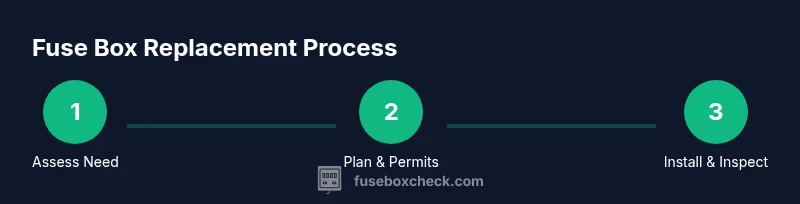
A licensed electrician will handle the critical safety steps and code-compliant installation. They will verify service capacity, obtain any required permits, de-energize the service, install the new panel, transfer and re-label circuits, and perform tests to ensure all circuits work correctly. They will inspect the wiring for signs of wear or damage and correct any outdated wiring practices. Expect a post-install inspection by a local authority to confirm compliance. This section outlines what the professional will typically undertake, not a DIY procedure for untrained homeowners.
Permits, codes, and inspections you should expect
Most areas require a permit for replacing a fuse box, plus an official inspection after installation. Your electrician will usually handle permit applications and coordinate the inspection schedule. Code requirements cover panel ratings, grounding, bonding, wire sizing, and proper labeling of circuits. If your home predates current codes, the upgrade may involve upgrading conduit, grounding electrodes, or service conductors. Coordinating with the inspector helps ensure your system is safe and compliant and can prevent costly rework.
Preparing your home and documents for the visit
Clear access to the main panel and a safe path for cable routing is essential. Photograph the current panel, note the existing fuse sizes, and list any known electrical issues or loads that have recently caused trips. Compile appliance inventories, especially heavy-load devices like HVAC systems, water heaters, and clothes dryers. Provide the electrician with floor plans, service date stamps, and any relevant building permits. Keeping documentation organized reduces delays and helps the installer meet code requirements more efficiently.
Costs, potential complications, and post-work checks
Costs for fuse box replacement vary based on panel type, wiring complexity, and required inspections. Expect variability depending on your locale and the complexity of upgrading service capacity. Potential complications include hidden wiring damage, outdated grounding, and the need to upgrade related components (like meters or service feeders). After the job, request a test report, confirm proper labeling of all circuits, and ensure the inspector signs off. Maintaining receipts and warranty documents aids future maintenance and insurance claims.
How to choose the right professional
Selecting a qualified electrician is critical for safety and long-term reliability. Check licenses, ask for references, verify insurance coverage, and request a written estimate that includes permits, parts, and labor. Look for a contractor who explains risks clearly, provides a detailed scope of work, and offers post-install support. A strong warranty and transparent communication are indicators of a trustworthy professional who will stand behind the work.
Tools & Materials
- Lockout/Tagout kit(Used to secure the main disconnect during planning and coordination with the electrician)
- Voltage tester or multimeter(Essential for initial safety checks when asked by a licensed electrician)
- Non-contact voltage detector(Quickly confirms absence of voltage without direct contact)
- Insulated screwdriver set(For safe access to panel screws when a pro is on site)
- Wire strippers(Only used by qualified professionals; homeowners should not attempt wire stripping on live circuits)
- Flashlight or headlamp(Good visibility in panel and crawl spaces)
- Personal protective equipment (PPE)(Insulated gloves and safety goggles are recommended)
- Fire extinguisher (electrical Class C)(Keep nearby as a safety precaution during work)
- Documentation kit(Camera or phone for panel photos, load calculations, and labeling forms)
- Measuring tape(Check fit of the new panel in the chosen enclosure space)
Steps
Estimated time: 4-10 hours
- 1
Assess replacement need
Review signs of panel aging and determine if a replacement aligns with safety goals. Create a small check list of symptoms and potential hazards to review with the electrician.
Tip: Document any recurring trips or unusual panel behavior to show the electrician. - 2
Schedule a licensed electrician and permits
Reach out to a qualified professional to assess the site, provide a written estimate, and determine permit requirements. Ensure they will handle inspections.
Tip: Ask for a written scope and warranty; confirm license and insurance before work begins. - 3
Prepare the workspace for the visit
Clear the area around the panel, remove obstructions, and ensure pets and people stay clear during the appointment. Have wall space ready for the new panel if requested.
Tip: Take clear photos of the existing layout for reference. - 4
Coordinate access and documentation
Provide the electrician with panel photos, load estimates, and any building permits. Confirm access times and plan for potential service interruptions.
Tip: Prepare a list of heavy-load circuits to discuss during planning. - 5
On the day of replacement: power-off and safety
The electrician will isolate power, verify de-energization, and proceed with panel installation. Do not touch any panels or conductors yourself.
Tip: Observe from a safe distance; do not interfere with tools or operations. - 6
Post-install tests and documentation
Test all circuits, confirm proper labeling, and obtain inspection approval. Keep all receipts and warranty information for future maintenance.
Tip: Ask for the inspector’s report and a printed circuit map for future reference.
Your Questions Answered
Can I replace a fuse box in my house by myself?
Replacing a fuse box is hazardous and typically requires a licensed electrician. DIY work can void insurance and code compliance. This guide explains why professional help is recommended and what safety steps to expect when coordinating a replacement.
Replacing a fuse box yourself is not advised. Hire a licensed electrician for safety, permits, and code compliance.
What signs indicate a fuse box needs replacement?
Frequent tripping, warm or discolored panels, buzzing sounds, burning smells, or corrosion signal potential failure. If you notice these, have a professional inspect to determine replacement needs.
Look for frequent trips, warmth, or burning smells—these suggest a deeper issue that a pro should evaluate.
Do I need permits for fuse box replacement?
Permit requirements vary by locality, but most places require permits for major electrical upgrades. Your electrician will usually handle permit applications and inspections as part of the project.
Permits are commonly required; your electrician will manage them and ensure inspection readiness.
How long does a fuse box replacement take?
Time depends on panel type, wiring complexity, and inspection processes. Plan for several hours on-site plus potential inspection delays.
It can take several hours on-site, plus any inspection time if required.
Will upgrading my fuse box improve safety?
Yes. A modern panel with breakers can provide better fault isolation, clearer labeling, and improved protection against electrical fires when properly installed.
Upgrading improves safety and fault isolation when done by a pro.
What should I ask my electrician before work begins?
Ask about permit handling, warranty, inspection plan, panel compatibility, and post-install labeling. Request a written estimate and a detailed scope of work.
Ask about permits, warranty, and post-install labeling; get a written plan.
Highlights
- Know when an upgrade is warranted by panel age and safety signs
- Plan permits, load calculations, and professional scheduling in advance
- Choose a licensed electrician with clear scope and warranty
- Expect an inspection and proper labeling after installation
- Document panel details for easier future maintenance