Common Fuse Box Problems: Diagnosis & Safe Fixes
A practical, expert guide to identify and resolve common fuse box problems, with step-by-step troubleshooting, safety tips, and when to call a pro. Learn with FuseBoxCheck guidance for homeowners.


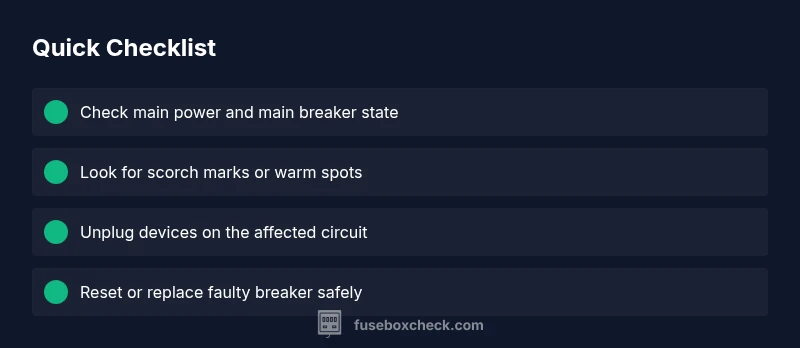
Common fuse box problems usually come from overloads, loose connections, or a faulty breaker. Start with easy checks: confirm main power is on, look for scorch marks or warm spots, and reset circuits one at a time. If the problem persists or you smell burning, stop and follow the diagnostic flow, then call a licensed electrician. FuseBoxCheck emphasizes safety-first and careful, incremental testing.
Understanding the fuse box and its role in home safety
Your home's electrical safety starts at the fuse box (panel). A fuse box contains fuses or circuit breakers that interrupt power if a circuit draws more current than it can safely handle. Common fuse box problems arise from overloads, aging components, loose connections, moisture near the panel, or improper replacements. In older homes, fuse boxes may have fuses that blow frequently or breakers that trip without clear reasons. Troubleshooting must prioritize safety: turn off the main power before touching anything, stand on a dry surface, and wear insulated gloves if you have to handle components. FuseBoxCheck's approach emphasizes systematic checks and gradual testing to avoid unnecessary hazards.
Warning signs that something is wrong
Before a major failure, you may notice telltale signs: flickering lights, warm or humming panels, breakers that trip frequently, or outlets on a circuit that feel warm to the touch. A burning smell or scorch marks near the panel is a serious red flag. If you observe any of these, stop using the area and follow the diagnostic flow. These signs often indicate overloads, loose connections, or a failing panel component. Addressing early can prevent electrical fires.
The most common fuse box issues you’ll see at home
- Overloaded circuits: plugging several high-wattage devices into one circuit can trip a breaker.
- Loose connections: loose screws at the terminal block can create heat and arcing.
- Faulty breakers or fuses: aging devices might trip or fail to reset.
- Water intrusion: moisture near the panel can corrode connections.
- Corroded bus bars: corrosion reduces conductivity and raises resistance.
- Panel aging: older panels may no longer meet current electrical loads. For each, the fix ranges from redistributing loads to replacing parts.
Safe checks you can perform without opening the panel
- Visual inspection from a safe distance: look for scorch marks, melted insulation, or signs of moisture around the enclosure.
- Verify the main breaker is in the ON position and the meter shows power.
- Test accessibility: confirm you can reach the panel with dry hands and a dry floor.
- Keep a clear area and have a fire extinguisher rated for electrical fires nearby.
- Do not bypass safety devices or tape over fuses. If you are unsure, stop and consult a licensed electrician.
Testing with a multimeter and safe measurement techniques
Always assume circuits are live until you confirm they are de-energized. Use non-contact voltage testers to check if a circuit is alive before touching it. For more definitive readings, disconnect power at the main, then use a multimeter to check for voltage on individual circuits. Check continuity only after isolating the circuit and wearing proper PPE. If you’re not comfortable, skip to step in the diagnostic flow or call a pro.
Diagnostic flow you can follow in plain terms
A practical, step-by-step diagnostic path helps you distinguish overloads from faulty components. Start by identifying if a single circuit or the whole panel is affected. If one circuit trips repeatedly, unplug devices on that circuit and reset. If tripping continues, inspect for loose wires or signs of overheating and consider a panel replacement if the unit is old. Always escalate to a licensed electrician for complex issues or if you ever smell burning or see melted insulation.
Preventive maintenance to reduce future outages
a. Distribute loads across multiple circuits rather than overloading one. b. Label all breakers and outlets for quick identification. c. Replace aging breakers or fuses with correct ratings and manufacturer-recommended parts. d. Keep the panel dry and free from clutter; inspect for moisture annually. e. Schedule professional inspections if your home is older or if you frequently reset breakers.
Steps
Estimated time: 45-60 minutes
- 1
Power off and prep
Shut off the main breaker and verify the area is dry. Wear protective gear as needed and ensure you have a clear escape path in case of emergencies.
Tip: Always confirm energy is off using a non-contact tester before touching any panel components. - 2
Identify the affected circuit
Locate which breaker or fuse controls the problem area. Note any patterns (time of day, appliance use) to help with load assessment.
Tip: Label the circuit once identified for future ease. - 3
Unload the circuit
Unplug devices on the affected circuit and reset the breaker. If it trips again, move to a lighter load test on related circuits.
Tip: Keep a log of devices unplugged and when the trip occurs. - 4
Reset or replace the protective device
If the breaker trips but no damage is visible, reset it firmly. If it continues to trip, inspect for signs of damage or overheating and replace the device if needed.
Tip: Use the exact replacement part rating recommended by the manufacturer. - 5
Inspect for damage
Look for scorch marks, melted insulation, or warm spots on the panel, wires, and around terminals. Do not poke around suspicious areas.
Tip: If you see damage, stop and call a licensed electrician. - 6
Check for loose connections
With power off, inspect terminal screws and bus bars for looseness. Tighten gently with the correct screwdriver and re-test.
Tip: Avoid over-tightening that could strip screws or wires. - 7
Test with a multimeter
After isolating the circuit, use a multimeter to verify voltage levels and continuity where appropriate. Document readings for reference.
Tip: If you’re unsure how to test safely, skip to step in the diagnostic flow. - 8
Know when to call a pro
If the breaker still trips, you notice burning smells, or the panel is old and degraded, contact a licensed electrician for a professional assessment.
Tip: Electrical work may require permits; a pro will handle compliance.
Diagnosis: Frequent breaker trips or fuses blowing
Possible Causes
- highOverload on a circuit
- mediumLoose or corroded connections
- lowAging panel or faulty breaker/fuse
Fixes
- easyUnplug devices on the affected circuit and reset the breaker/fuse
- mediumTighten terminal screws and reseat any loose connections after de-energizing the panel
- hardReplace the faulty breaker or fuse with the correct rating, or upgrade the panel if it is outdated
Your Questions Answered
What are the most common fuse box problems?
Overloads, aging breakers or fuses, loose connections, and moisture near the panel are among the most frequent issues. Regular inspection helps catch them early.
Common issues are overloads, aging components, and loose connections—if you notice moisture or burning smells, contact a pro.
Is it safe to reset a tripped breaker myself?
Yes for a quick reset if you’ve verified there’s no smoke and the cause is a simple overload. If it trips again, or you smell burning, stop and call a professional.
You can reset a breaker if there’s no burning smell, but don’t ignore repeated trips.
When should I replace the whole fuse box?
If the box is very old, shows frequent failures, or uses outdated components, upgrading is safer and more reliable.
Upgrade may be needed if the panel is old or frequently failing.
What should I do if I hear buzzing from the panel?
Buzzing can indicate arcing and a serious safety risk. Turn off power and call a licensed electrician immediately.
Hearing buzzing means something may be arcing; shut down and get a pro.
Do I need permits for fuse box work?
Depending on your location and the work scope, electrical permits may be required. Check local codes or consult an electrician.
Permits vary by area; a pro will handle compliance.
What tools should I have for basic fuse box work?
A voltage tester, a proper screwdriver, a multimeter, and personal protective equipment are essential for safe DIY checks.
Have a tester, screwdriver, and PPE ready for basic checks.
Watch Video
Highlights
- Prioritize safety and power off before inspection
- Identify and redistribute overloaded loads to prevent trips
- Use a multimeter for definitive voltage checks only after de-energizing
- Call a licensed electrician for persistent or dangerous signs